Hit & Run Budget
Updated
Synopsis
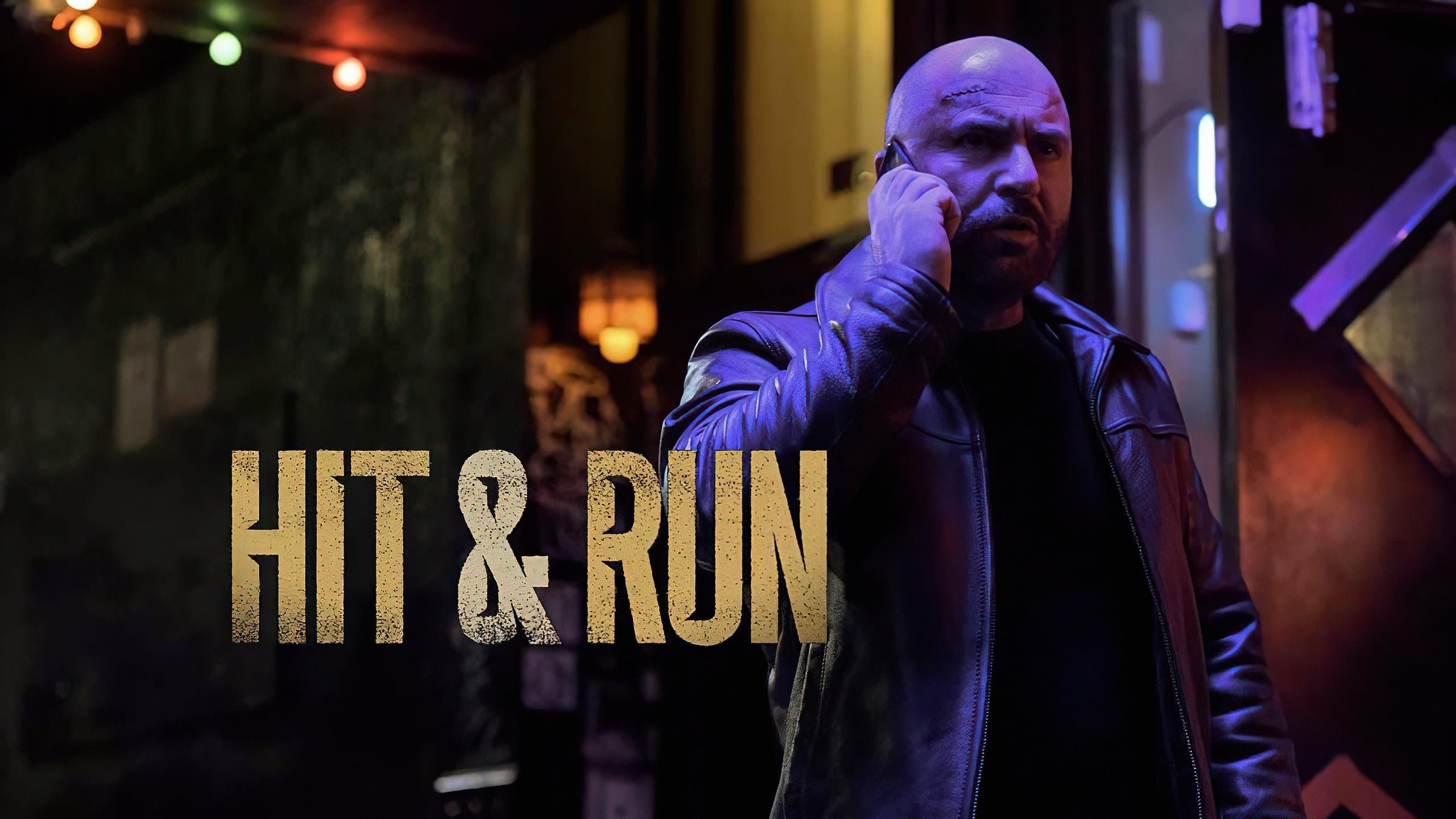
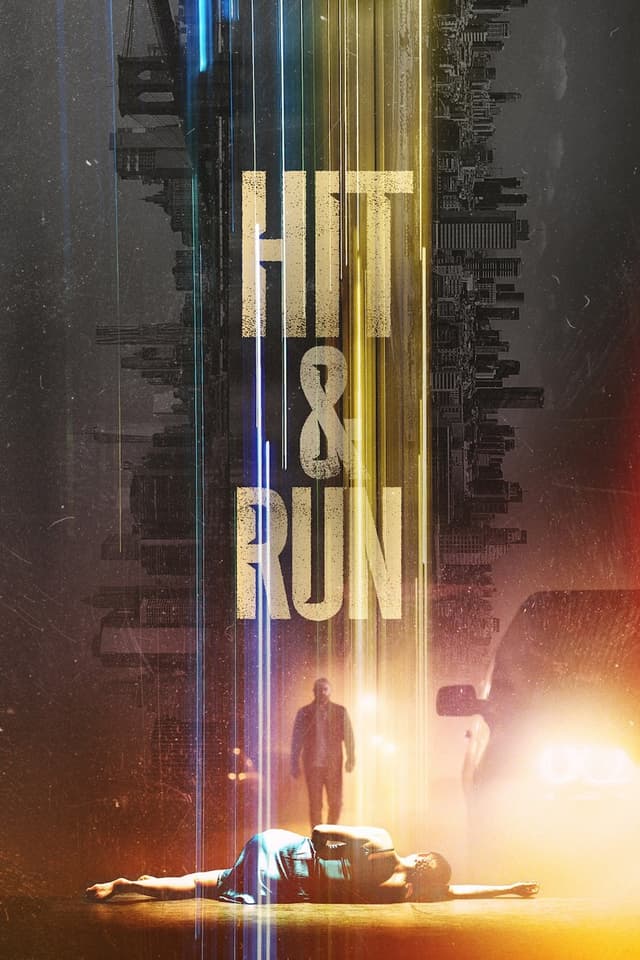
Former getaway driver Charlie Bronson jeopardizes his witness protection cover to help his girlfriend Annie get to Los Angeles for a job interview. The cross-country drive turns into a chase when his former associates and the federal agent assigned to protect him both catch up to the trip.
What Is the Budget of Hit & Run (2012)?
Hit & Run (2012), co-directed by Dax Shepard and David Palmer and distributed by Open Road Films, was produced on a reported budget of $2,000,000. Financing came primarily from independent action-comedy specialist OnyX Films along with Three Foot Giant and Permut Presentations, with Open Road picking up domestic distribution for a modest acquisition fee. The film was conceived as a passion project for Shepard, who wrote the screenplay, co-directed, starred, and provided most of the practical stunt driving in his own vehicles, a creative model designed expressly to keep the production cost at micro-budget scale for an action picture.
The $2,000,000 figure is among the lowest reported budgets for a wide-release studio-distributed action film of the 2010s. By comparison, the typical mid-budget car-chase action comedy of the same era ran $30,000,000 to $60,000,000, and even low-budget exploitation pictures with comparable practical car work ran $5,000,000 to $10,000,000. The film achieved its scale through Shepard's personal investment of vehicles from his own collection, including the 1967 Lincoln Continental that anchors the chase sequences, and through a heavy reliance on friends-and-family casting that brought down talent costs without sacrificing recognizable faces.
Key Budget Allocation Categories
Hit & Run's $2,000,000 budget was distributed across several core production areas:
- Above-the-Line Talent: Dax Shepard wrote, co-directed, starred, and produced the film, taking back-end participation in lieu of front-end fees. Kristen Bell, Shepard's real-life partner, played the female lead. Supporting cast Bradley Cooper, Tom Arnold, Kristin Chenoweth, Ryan Hansen, and Beau Bridges all worked at reduced or scale-plus rates because of personal relationships with Shepard, a friends-and-family compensation model that kept above-the-line spend under $400,000 against a cast that would have cost $15,000,000 to $20,000,000 at standard rates.
- Practical Car Stunts: The film is built around five major practical car-chase sequences using vehicles from Shepard's personal collection, including the 1967 Lincoln Continental hero car, a 700-horsepower modified version with a Hurst shifter and dual quad carburetors. Shepard performed the bulk of the driving himself with stunt coordination from Jess Harbeck, eliminating the cost of insured stunt drivers for principal photography and avoiding the construction and crashing of multiple picture cars.
- Location Shoot in California: Principal photography took place over 21 days in October 2011 across rural California locations including Riverside County, the San Bernardino National Forest, and the high desert north of Los Angeles. The compact California shoot eliminated travel and per-diem costs for the cast, and the production qualified for the California Film and Television Tax Credit Program on the independent-production tier.
- Music Licensing: The film features a curated soundtrack including original cues from Robert Mervak alongside licensed tracks from Steve Miller Band, Jefferson Airplane, and Stevie Nicks. Music licensing was the single largest discretionary line item after talent, accounting for an estimated $300,000 to $400,000 of the total budget, with most licenses negotiated at independent-film rates.
- Editorial and Post-Production: Editor Keith Croket cut the film at a small Los Angeles post house with Shepard supervising. Color, sound, and final mix were completed in approximately twelve weeks at a fraction of standard studio post costs. The independent post-production pipeline accounted for roughly $200,000 of total spend.
- Marketing and Distribution: Open Road Films acquired domestic distribution and spent an estimated $12,000,000 to $15,000,000 on prints and advertising, multiple times the film's production budget. This is typical for low-budget acquisitions where the studio assumes the marketing risk in exchange for distribution rights.
How Does Hit & Run's Budget Compare to Similar Films?
At a reported $2,000,000, Hit & Run is one of the cheapest wide-release car-chase action films of the 2010s. The comparison set illustrates how much variance the genre absorbs:
- Drive (2011): Budget $15,000,000 | Worldwide $81,393,000. Nicolas Winding Refn's art-house getaway driver film cost 7.5 times more than Hit & Run and grossed nearly six times more worldwide, defining the prestige tier of the same loose genre.
- Premium Rush (2012): Budget $35,000,000 | Worldwide $31,113,772. The contemporaneous bike-courier chase film cost 17.5 times more than Hit & Run and grossed roughly twice as much, a worse ROI despite the higher gross.
- The Guard (2011): Budget $6,000,000 | Worldwide $19,200,000. The John Michael McDonagh black comedy is comparable in scale and outcome, sharing the small-budget genre-blender economic profile.
- Wild Hogs (2007): Budget $60,000,000 | Worldwide $253,625,427. The mainstream road-trip comedy from Disney is the studio equivalent of what Hit & Run was attempting at one thirtieth the cost.
- Cedar Rapids (2011): Budget $10,000,000 | Worldwide $7,128,357. Ed Helms' Fox Searchlight comedy gives the indie-adjacent comparison point, with a similar friends-and-family casting model but a more conventional budget structure.
Hit & Run Box Office Performance
Hit & Run opened on August 22, 2012 in 2,870 theaters, grossing $4,575,121 over its first five days and finishing eighth on its opening weekend. The mid-week Wednesday opening was a deliberate Open Road strategy aimed at maximizing the late-summer playable corridor between the back-to-school window and the September new-release crush. Here is the financial breakdown:
Box Office Breakdown
Hit & Run

Hit & Run returned approximately $7.04 in worldwide gross for every $1 of production budget invested, an exceptional ratio that gets compressed once Open Road's $12,000,000 to $15,000,000 marketing spend is layered in. The film domestic share was $13,900,000 against an international share of just $180,000, a 99/1 split that reflects both Open Road's domestic-only distribution mandate and the limited international appetite for a vehicle-driven Americana comedy.
The strongest financial driver was downstream home entertainment. The film performed well on Blu-ray, DVD, and digital sales through 2013, particularly as the Bell-Shepard real-life pairing drew viewers from their parallel television work on Veronica Mars reruns and Parenthood. Combined home-entertainment and television-licensing revenue is estimated to have pushed lifetime returns well into profit on the production budget alone.
Hit & Run Production History
Hit & Run originated as a passion project for Dax Shepard, who began writing the screenplay in 2010 during downtime from his NBC sitcom Parenthood. Shepard, a lifelong car enthusiast and amateur racing competitor, structured the story around vehicles he already owned and locations he could access in California, a deliberate constraint designed to keep the budget at micro scale. He brought on his friend David Palmer to co-direct after collaborating on the comedy short Brother's Justice (2010).
Financing came together quickly through OnyX Films, a small independent action specialist, alongside Three Foot Giant and the Permut Presentations production company run by veteran producer David Permut. The combined budget topped out at $2,000,000, with Shepard contributing not only his screenplay and directing services without front-end pay but also five vehicles from his personal collection, including the modified 1967 Lincoln Continental that became the film's hero car. Kristen Bell, Shepard's longtime partner and later wife, signed on to play the female lead, and Bradley Cooper, fresh off The Hangover Part II (2011), was cast against type as antagonist Alex Dmitri in an extended-cameo capacity.
Principal photography ran for 21 days from October 17 to November 11, 2011 across Riverside County, the San Bernardino National Forest, and high-desert locations north of Los Angeles in California. Shepard performed the majority of the practical driving himself in coordination with stunt coordinator Jess Harbeck, with key sequences shot in long handheld takes from inside the picture car. The compressed schedule and California-only footprint allowed the production to avoid travel costs and qualify for state production-tax incentives on the independent-tier.
Open Road Films acquired domestic distribution rights in early 2012 and dated the film for an August 22, 2012 wide release on more than 2,800 screens. Open Road, then a year-old joint venture between AMC Theatres and Regal Entertainment, used Hit & Run to test its model of acquiring independently financed mid-genre titles and marketing them theatrically rather than developing or producing in-house.
Awards and Recognition
Hit & Run received no major industry awards recognition. The film was not nominated at the Academy Awards, Golden Globes, BAFTAs, Critics Choice Awards, or Screen Actors Guild Awards. It also missed the Independent Spirit Awards, which would have been the most plausible ceremony for a $2,000,000 independent-financed feature.
The film received one Razzie nomination at the 33rd Golden Raspberry Awards for Worst Screen Couple (Kristen Bell and Dax Shepard), which did not win. Industry-trade recognition focused on the production economics rather than craft, with Variety and The Hollywood Reporter both citing the film in late-2012 retrospectives on independent action filmmaking as an example of effective micro-budget genre work.
Critical Reception
Hit & Run received mixed reviews. The film holds a 49 percent approval rating on Rotten Tomatoes based on 144 critic reviews, with a critical consensus that called it amiable but uneven. On Metacritic, the film scored 45 out of 100, indicating mixed or average reviews. Audiences surveyed by CinemaScore gave the film a B, a respectable but unspectacular grade reflecting strong reactions from Bell-Shepard fans tempered by lukewarm responses to the action-comedy hybrid pacing.
Critics broadly praised the chemistry between Bell and Shepard and the practical car work but objected to the unevenness of the comedic tone and Tom Arnold's broad supporting performance. Roger Ebert gave the film 2.5 out of 4 stars, writing that it "starts strong and slows down" but praising Shepard as "a likable presence with real screen authority." The New York Times' Manohla Dargis called it "an amiable, distinctly modest road movie." Variety's Justin Chang noted that Shepard's screenplay had "a winning unforced quality" but flagged the cameo casting as a structural problem that diffused momentum.
The film's reception has improved modestly with time. It is frequently cited in retrospective coverage of Bell and Shepard's on-screen partnership and in discussions of effective micro-budget action filmmaking. The practical car chases, particularly the highway sequence with the modified Lincoln Continental, are routinely highlighted by automotive press and car-chase film enthusiasts.
Frequently Asked Questions
How much did it cost to make Hit & Run (2012)?
The reported production budget was $2,000,000. The film was independently financed by OnyX Films, Three Foot Giant, and Permut Presentations, with Open Road Films acquiring domestic distribution for a separate marketing-and-release commitment estimated at $12,000,000 to $15,000,000.
How much did Hit & Run earn at the box office?
The film grossed $13,900,000 domestically and approximately $180,000 internationally, for a worldwide total of $14,080,000. It opened to $4,575,121 over its first five days starting Wednesday August 22, 2012, finishing eighth on its opening weekend.
Was Hit & Run profitable?
On production budget alone, yes. The film returned approximately $7.04 in worldwide gross for every $1 of production spend. Once Open Road's estimated $12,000,000 to $15,000,000 in marketing and prints is layered in, the theatrical window was roughly break-even. Strong home-entertainment performance pushed lifetime returns into clear profit.
Who directed Hit & Run?
Dax Shepard and David Palmer co-directed. Shepard also wrote, produced, and starred. The pair previously collaborated on the 2010 comedy short Brother's Justice.
Where was Hit & Run filmed?
Principal photography ran for 21 days in October and November 2011 across California, including locations in Riverside County, the San Bernardino National Forest, and high-desert areas north of Los Angeles. The compact California shoot qualified for the state's independent-production film tax credit.
Did Dax Shepard do his own driving in Hit & Run?
Yes. Shepard performed the majority of the practical driving himself, working with stunt coordinator Jess Harbeck. Several of the cars in the film, including the modified 1967 Lincoln Continental hero car, came from Shepard's personal collection.
Are Kristen Bell and Dax Shepard married?
Yes, but they were not yet married at the time of Hit & Run. Bell and Shepard had been partners since 2007 and were engaged at the time of filming; they married in 2013, the year after the film's release. Their real-life partnership informed the on-screen chemistry that drew much of the film's positive reaction.
What did critics think of Hit & Run?
The film received mixed reviews, with a 49 percent rating on Rotten Tomatoes (144 critics) and a 45 out of 100 on Metacritic. Audiences gave it a B CinemaScore. Critics praised the Bell-Shepard chemistry and the practical car chases while flagging tonal unevenness and the broad supporting performances.
Who wrote Hit & Run?
Dax Shepard wrote the screenplay. He began work on the script in 2010 during downtime from NBC's Parenthood, structuring the story around vehicles he already owned and locations he could access in California to keep the budget at micro scale.
Did Hit & Run win any awards?
No major awards. The film received one Razzie nomination for Worst Screen Couple at the 33rd Golden Raspberry Awards, which did not win. It was not nominated at the Academy Awards, Golden Globes, BAFTAs, or Independent Spirit Awards.
Filmmakers
Hit & Run

Official Trailer
Build budgets like this one in Saturation
Start from an industry-standard feature film template, import the schedule and rates you already have, and let the cost report keep itself current as you spend. Real-time collaboration, no spreadsheets.