Harry Potter and the Deathly Hallows: Part I Budget
 AdventureFantasy2h 10m
Updated
Synopsis
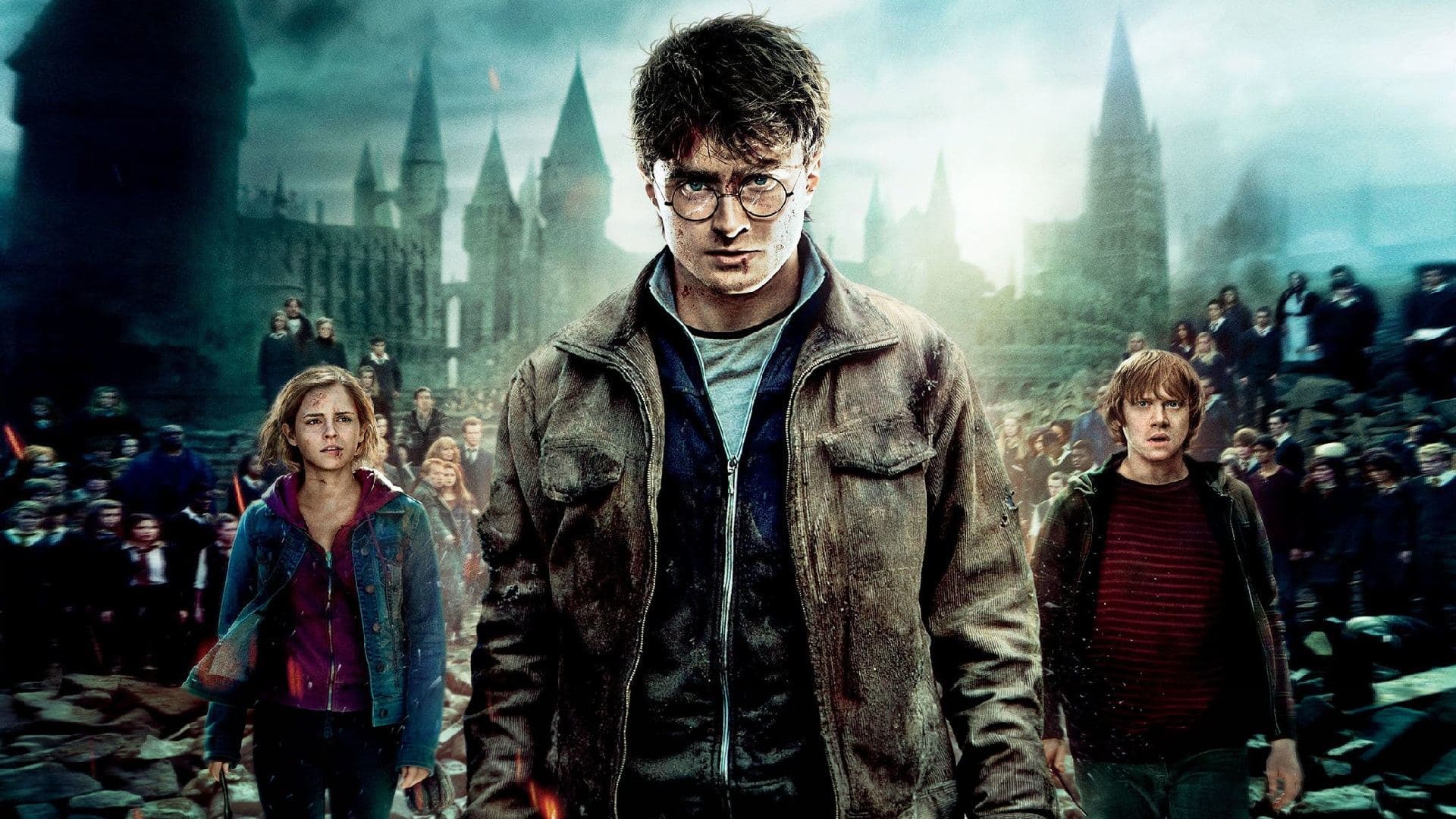
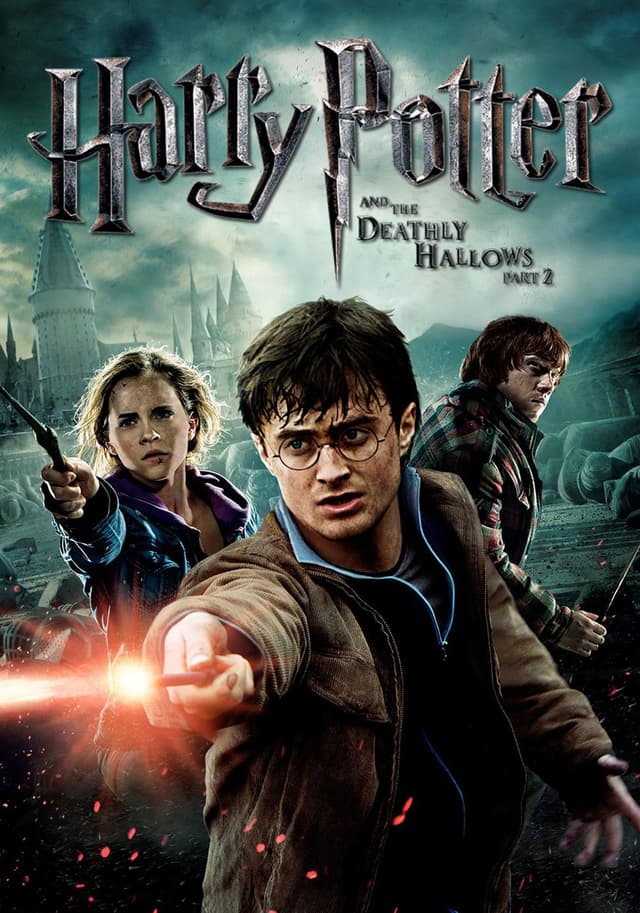
Harry, Ron and Hermione set out on their perilous mission to track down and destroy the Horcruxes - the keys to Voldemort's immortality. On their own, without the guidance or protection of their professors, the three friends must now rely on one another more than ever. But there are dark forces in their midst that threaten to tear them apart. Meanwhile, the Wizarding world has become a dangerous place for all enemies of the Dark Lord. Long-feared war has begun and Voldemort's death eaters seize control of the Ministry of Magic and even Hogwarts, terrorizing and arresting anyone who might oppose them. But the one prize they still seek is the one most valuable to Voldemort: Harry Potter. The Chosen one has become the hunted one as Voldemort's followers look for Harry with orders to bring him to the Dark Lord alive.
What is the budget of Harry Potter and the Deathly Hallows Part I?
"Harry Potter and the Deathly Hallows Part I," an adventure released in 2010, was directed by David Yates and stars Daniel Radcliffe, Emma Watson. The production budget was $125,000,000, placing it in the high-budget range for adventure productions of its era.
Key Budget Allocation Categories
While specific budget breakdowns are not publicly available, typical cost drivers for an adventure production like this include:
- Stunts, Action Sequences & Visual Effects: Action films allocate a substantial portion of their budget to choreographing and executing practical stunts, pyrotechnics, and CGI-heavy sequences.
- Above-the-Line Talent (Cast & Director): A-list talent commands significant upfront fees plus backend participation.
- Production Design, Sets & Locations: Action films frequently require multiple international shooting locations, large-scale set construction, vehicle acquisitions and modifications, and specialized equipment , all of which drive production costs well above those of dialogue-driven genres.
What were the major cost factors in Harry Potter and the Deathly Hallows Part I?
Several factors contributed to the overall production costs of "Harry Potter and the Deathly Hallows Part I."
- Stunts: Stunts, Action Sequences & Visual Effects is one of the primary cost drivers in adventure productions of this scale.
- Above-the-Line Talent (Cast: Above-the-Line Talent (Cast & Director) is one of the primary cost drivers in adventure productions of this scale.
- Production Design: Production Design, Sets & Locations is one of the primary cost drivers in adventure productions of this scale.
How Does Harry Potter and the Deathly Hallows Part I's Budget Compare to Similar Films?
At $125,000,000, Harry Potter and the Deathly Hallows Part I sits in the high-budget range. Here is how it compares to productions with a similar budget:
- Artemis Fowl (2020): Budget $125,000,000
- Assassin's Creed (2016): Budget $125,000,000, Worldwide Gross $240,700,000
- Batman & Robin (1997): Budget $125,000,000, Worldwide Gross $238,207,122
- Chaos Walking (2021): Budget $125,000,000, Worldwide Gross $26,508,132
- Clash of the Titans (2010): Budget $125,000,000, Worldwide Gross $493,214,993
The median budget for wide-release adventure films in the 2010s ranges from $30 to 80M for mid-budget to $150M+ for tentpoles.
Harry Potter and the Deathly Hallows: Part I Box Office Performance
"Harry Potter and the Deathly Hallows Part I" earned $381,447,587 domestically and $1,341,511,219 worldwide at the box office. Against a production budget of $125,000,000, the film performed strongly at the box office.
Box Office Breakdown
Harry Potter and the Deathly Hallows: Part I

At approximately +973%, Harry Potter and the Deathly Hallows: Part I returned roughly $10.73 for every $1 of production budget invested during its theatrical run.
With a 973.2% return on investment based on production budget alone, Harry Potter and the Deathly Hallows: Part I comfortably surpassed its break-even threshold and proved to be a strong performer for its studio. These figures represent theatrical revenue only and do not include home entertainment, streaming licensing, or merchandise revenue, which further bolster the film's overall profitability.
Harry Potter and the Deathly Hallows: Part 1 Production History
Warner Bros. confirmed the two-part approach for the final Harry Potter novel after producer David Heyman and screenwriter Steve Kloves concluded that compressing the story into a single film would sacrifice too much narrative depth. David Yates, who had directed Order of the Phoenix and Half-Blood Prince, returned for both installments, bringing continuity to the franchise's visual and tonal direction. Yates described Part 1 as "quite real," characterizing it as a "road movie" with an almost documentary-like quality that distinguished it from the more action-oriented sequel.
Principal photography began on February 19, 2009 and ran through June 12, 2010, covering both parts simultaneously. Production designer Stuart Craig, who had built every set in the franchise since Philosopher's Stone, returned for the final installments and earned an Academy Award nomination for his art direction. Craig noted that this chapter required extensive location shooting and forest set construction, with the team integrating built sets into real forests for the camping sequences that dominate the film's middle act.
Filming locations included the Dartford Crossing, where the Death Eater ambush of Harry and Hagrid was staged. Costume designer Jany Temime, who had worked on the franchise since Prisoner of Azkaban, faced public scrutiny over Fleur Delacour's wedding dress, which some observers compared to an Alexander McQueen design. Temime explained that she wanted the dress to combine magical elements with elegance, incorporating phoenix symbolism into the design.
The visual effects workload was split between Double Negative, which handled environment extensions, Death Eater smoke effects, and Patronus sequences, and Framestore, which produced creature animation and the acclaimed "Tale of the Three Brothers" animated sequence directed by Ben Hibon. Alexandre Desplat replaced Nicholas Hooper as composer, bringing a darker and more orchestrally complex score to match the film's shift in tone.
Awards and Recognition
Nominated for 3 Oscars. 49 wins & 96 nominations total
- National Board of Review: Top Ten Films
Critical Reception
Harry Potter and the Deathly Hallows Part 1 (2010) received generally favorable reviews from critics. On Rotten Tomatoes, the film holds a 76% approval rating based on 289 reviews, with an average rating of 7.1 out of 10. Metacritic assigned a score of 65 out of 100, indicating generally favorable reviews. Audiences awarded it an A CinemaScore.
Critics appreciated the film's mature tone, emotional depth, and visual presentation. Roger Ebert awarded three out of four stars, describing it as "a handsome and sometimes harrowing film." USA Today's Scott Bowles called it potentially "the best instalment of the planned eight-film franchise," praising the performances of Daniel Radcliffe, Emma Watson, and Rupert Grint as they carried much of the film's weight in a stripped-down, road-movie structure.
The primary criticism centered on the decision to split the final book into two films. Many reviewers felt that Part 1 suffered from an incomplete narrative, functioning more as setup than a standalone story. Newsweek's Ramin Setoodeh was particularly negative, stating that the filmmakers had "sucked out all the magic" from Rowling's source material. The film's deliberately slow pacing and dark atmosphere divided audiences, though most agreed the approach built effective anticipation for the finale.
Frequently Asked Questions
How much did it cost to make Harry Potter and the Deathly Hallows: Part I?
Harry Potter and the Deathly Hallows: Part I was produced on a budget of $125,000,000. Part 1 was filmed simultaneously with Part 2, with the combined production cost for both films reportedly around $250 million. Including estimated prints and advertising costs of approximately $125 million, the total investment was approximately $250 million.
How much did Harry Potter and the Deathly Hallows: Part I earn at the box office?
Harry Potter and the Deathly Hallows: Part I earned $296 million domestically and $664 million internationally for a worldwide total of $960 million. It earned $125 million in its opening weekend domestically, setting a franchise record at the time.
Was Harry Potter and the Deathly Hallows: Part I profitable?
Yes. Harry Potter and the Deathly Hallows: Part I earned $960 million worldwide against a total estimated investment of approximately $250 million (production plus marketing), making it solidly profitable from theatrical revenue alone. The split-finale strategy pioneered by Harry Potter proved enormously profitable, with both parts earning over $900 million each.
What were the biggest costs in producing Harry Potter and the Deathly Hallows: Part I?
The primary cost drivers for Harry Potter and the Deathly Hallows: Part I included above-the-line talent (director, lead cast, and producers), visual effects and post-production, production design and set construction, location shooting, and music and scoring. The specific allocation varies by production, but these categories typically represent the majority of a Adventure, Fantasy film's budget.
How does Harry Potter and the Deathly Hallows: Part I's budget compare to similar films?
Budget comparison data is not available for Harry Potter and the Deathly Hallows: Part I as the production budget has not been publicly reported.
Did Harry Potter and the Deathly Hallows: Part I go over budget?
There are no public reports confirming whether Harry Potter and the Deathly Hallows: Part I went over its original budget. Production budget overruns are common in the industry but are rarely disclosed publicly unless they become newsworthy due to significant delays, reshoots, or production issues.
What was the ROI of Harry Potter and the Deathly Hallows: Part I?
Using the production budget of $125,000,000, Harry Potter and the Deathly Hallows: Part I achieved an ROI of approximately +668%, calculated as (Worldwide Gross $960,000,000 minus Budget $125,000,000) divided by Budget times 100. This means the film returned roughly $7.68 for every $1 of production budget invested during its theatrical run.
What awards did Harry Potter and the Deathly Hallows: Part I win?
Award information for Harry Potter and the Deathly Hallows: Part I is based on reported nominations and wins. Check current awards databases for the most up-to-date recognition.
Who directed Harry Potter and the Deathly Hallows: Part I?
Directing credits for Harry Potter and the Deathly Hallows: Part I can be found in the filmmakers section on this page.
Where was Harry Potter and the Deathly Hallows: Part I filmed?
Specific filming locations for Harry Potter and the Deathly Hallows: Part I are based on publicly available production reports. Many Adventure, Fantasy films utilize a combination of studio facilities and practical locations to achieve the desired visual scope.
Filmmakers
Harry Potter and the Deathly Hallows: Part I

Official Trailer
Build budgets like this one in Saturation
Start from an industry-standard feature film template, import the schedule and rates you already have, and let the cost report keep itself current as you spend. Real-time collaboration, no spreadsheets.