Following Budget
 DramaThriller1h 9m
Updated
Synopsis
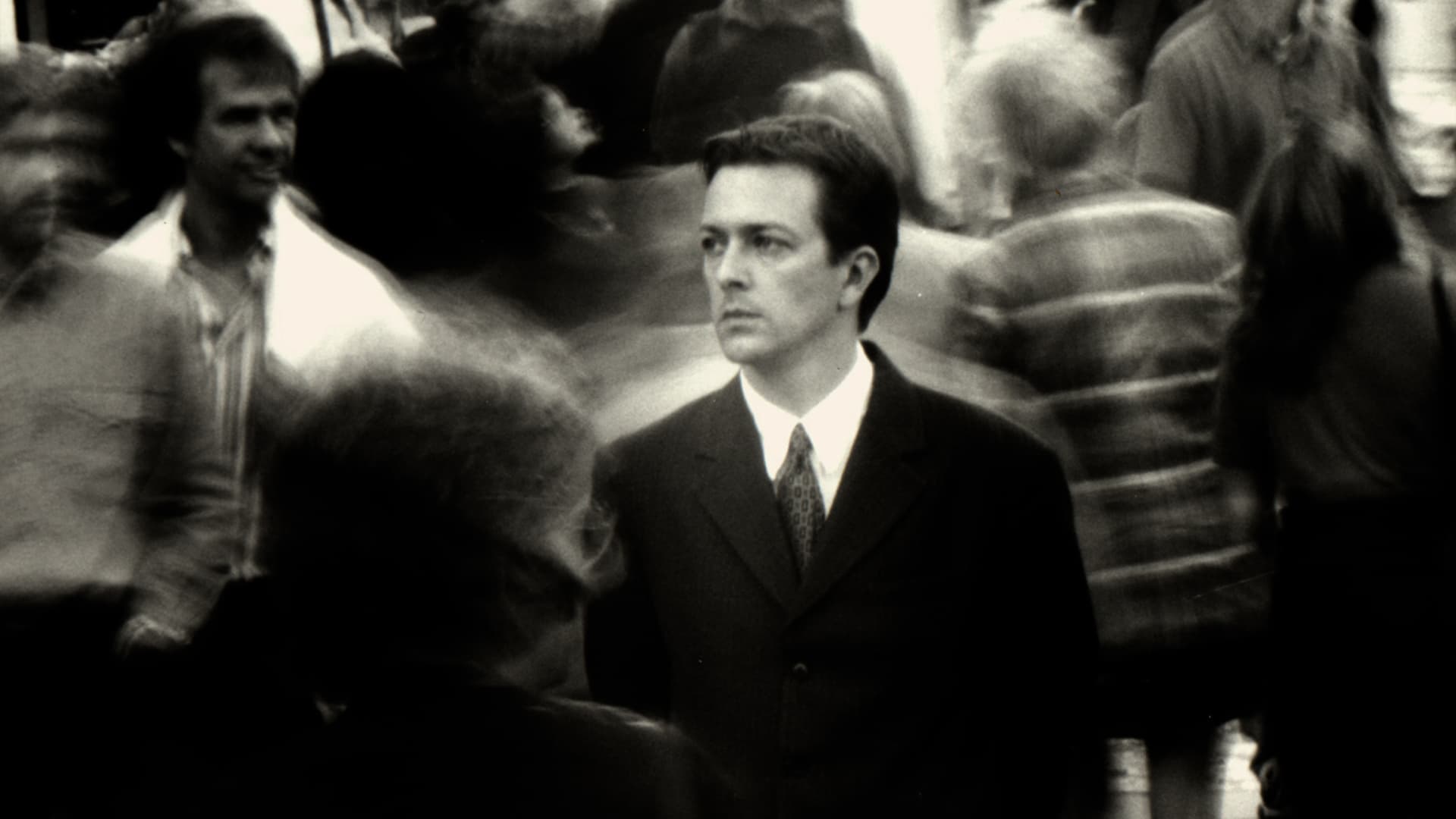
A lonely young writer in London develops the habit of following strangers through the city as research for a novel, until one of his targets, a charismatic burglar named Cobb, catches him in the act and proposes a partnership. As the writer is drawn deeper into Cobb's world of break-ins and identity games, the picture's fractured chronology gradually reveals how completely he has been manipulated. Christopher Nolan's $6,000 debut feature stars Jeremy Theobald and Alex Haw.
What Is the Budget of Following (1999)?
Following (1999), written, directed, photographed, and edited by Christopher Nolan, was produced on a famously contained budget of approximately $6,000 (some sources cite figures as low as 3,000 pounds sterling or as high as $9,000 depending on whether incidental personal expenses are counted). The picture was self-financed by Nolan with contributions from cast and crew, and shot in London on 16mm black-and-white film over the course of approximately one year, with photography taking place on weekends to accommodate the cast and crew's weekday jobs.
The investment reflected the deliberate constraints of debut-feature independent filmmaking: a non-union cast of friends and acquaintances, a single 16mm Arriflex camera operated by Nolan himself, available-light cinematography across London streets and apartments, and a single-day-per-week production schedule that allowed the cast and crew to maintain their primary jobs while the picture was being made. The picture was Nolan's debut feature after his short film Larceny (1996) and Doodlebug (1997).
Key Budget Allocation Categories
Following's approximately $6,000 budget was distributed across a deliberately spare set of production areas:
- Above-the-Line Talent All principal cast and crew worked without pay on the production, with friends and acquaintances filling the roles. Jeremy Theobald played the writer-protagonist (credited as The Young Man) and also produced. Alex Haw played the burglar Cobb in his only feature acting credit. Lucy Russell played The Blonde. Christopher Nolan handled writing, directing, cinematography, and editing personally.
- 16mm Film Stock and Processing The principal production cost was 16mm Kodak black-and-white film stock and processing. Nolan and producer Emma Thomas (his then-girlfriend, now wife) calculated that the production could afford approximately 60 minutes of usable footage at a high shooting ratio, requiring Nolan to extensively rehearse each scene before shooting in order to capture useful takes on minimal stock.
- London Location Shoots Principal photography took place across London on weekends, using friends' apartments, public streets, and one significant cafe interior for the central conversation between the writer and Cobb. No location fees were paid, with locations secured through personal relationships and informal arrangements.
- Equipment The single Arriflex 16mm camera was rented or borrowed across the production. Sound recording was handled through a single Nagra reel-to-reel deck or comparable equipment, with Nolan and crew handling boom, mixing, and synchronization personally.
- Costume The cast wore their own clothes throughout the picture, with no costume budget. The deliberate wardrobe choice supported the picture's documentary-realist aesthetic and reflected the budgetary reality of the production.
- Post-Production Post-production was completed across approximately two years following principal photography. Editing was handled by Nolan personally on a Steenbeck flatbed editor, with the final cut prepared for a 16mm-to-35mm blow-up that was completed for the picture's San Francisco International Film Festival premiere in April 1998.
How Does Following's Budget Compare to Similar Films?
At approximately $6,000, Following sits in the extreme micro-budget range for late-1990s debut features. The comparison set illustrates how its scale tracked against peer productions:
- Clerks (1994): Budget $27,575 | Worldwide $3,151,130. Kevin Smith's similarly self-financed black-and-white debut feature cost roughly four times Following and earned a substantial theatrical release through Miramax, providing the celebrated micro-budget debut template that Following further compressed.
- El Mariachi (1992): Budget $7,225 | Worldwide $2,041,928. Robert Rodriguez's debut feature cost almost exactly the same as Following and earned a wide theatrical release through Columbia Pictures, providing the closest direct financial-template peer.
- Memento (2000): Budget $9,000,000 | Worldwide $40,053,968. Christopher Nolan's follow-up feature, made one year after Following, cost 1,500 times the debut and earned a substantial worldwide gross, illustrating the dramatic budget escalation Nolan navigated immediately following Following's festival success.
- Pi (1998): Budget $60,000 | Worldwide $3,221,152. Darren Aronofsky's debut feature, released the year before Following, cost ten times the Nolan picture and earned a strong independent theatrical release, providing the late-1990s micro-budget debut template most directly comparable in genre approach.
- Primer (2004): Budget $7,000 | Worldwide $548,346. Shane Carruth's debut feature, made five years after Following, cost roughly the same amount and provided the post-2000 micro-budget debut template most directly comparable in structural ambition.
Following Box Office Performance
Following premiered at the San Francisco International Film Festival in April 1998 and screened at the Slamdance Film Festival in January 1999 before opening in limited theatrical release in the United Kingdom in November 1999 and the United States in April 1999. Distribution was handled by Next Wave Films in the United States and Alliance Releasing in the United Kingdom. The picture played a small handful of arthouse cinemas.
Against a $6,000 production budget, the financial breakdown reflects the picture's contained festival-and-arthouse theatrical run:
Box Office Breakdown
Following

Following returned approximately 40 times its production cost in domestic theatrical revenue alone, with the $240,495 U.S. theatrical gross substantially exceeding the picture's modest production envelope. The picture's commercial outcome is best understood not in conventional box-office terms but as the career-launch event that led directly to Newmarket Films financing Christopher Nolan's follow-up feature Memento (2000) at a $9,000,000 budget, a 1,500-fold scale escalation.
Subsequent home video releases through Zeitgeist Films (Region 1 DVD) and Optimum Releasing (Region 2 DVD) further extended the picture's catalog life, with continued reissues following the success of Memento, Insomnia, Batman Begins, and the subsequent expansion of Nolan's filmography. The picture is now widely available on streaming platforms as part of Nolan's recognized canon, with multiple restorations and special editions following the picture's career-launching reputation.
Following Production History
Christopher Nolan developed Following while working at a corporate video production company in London after graduating from University College London with a degree in English literature in 1993. Nolan had been making short films through the early 1990s, including Larceny (1996), which screened at the Cambridge Film Festival, and Doodlebug (1997), a three-minute monochrome short. Following was conceived as a feature-length project that could be produced with a single Arriflex camera, friends as cast and crew, and weekend-only shooting.
Producer Emma Thomas, Nolan's then-girlfriend and now wife, joined the project as producer, helping coordinate the cast and crew's weekend shooting schedule and the budget management. Lead actor Jeremy Theobald, a longtime Nolan collaborator from his short-film work, attached to the writer-protagonist role and also produced. Alex Haw, who played the burglar Cobb, made his only feature acting appearance in Following, and Lucy Russell, who played The Blonde, was an emerging stage actress recommended to Nolan through London theatrical networks.
Principal photography took place over the course of approximately one year, with shooting limited to weekends to accommodate the cast and crew's weekday jobs. Nolan extensively rehearsed each scene before shooting to capture useful takes on the minimal 16mm film stock the budget could afford. The picture's signature non-linear structure was conceived during the screenplay phase but refined during the extended editing process, with the final fractured-chronology cut emerging through Nolan's hands-on editing on a Steenbeck flatbed.
Post-production took approximately two years following principal photography, with the 16mm-to-35mm blow-up completed for the San Francisco International Film Festival premiere in April 1998. The picture's festival reception, including the Slamdance Film Festival screening in January 1999, brought Christopher Nolan to the attention of American producers including Newmarket Films's Aaron Ryder, who would subsequently finance Memento (2000). The picture's career-launch impact substantially exceeded any direct commercial outcome from the festival-and-arthouse theatrical release.
Awards and Recognition
Following received substantial festival recognition relative to its scale. At Slamdance Film Festival 1999, the picture won the Tiger Award. At Newport International Film Festival 1999, it received the Best Director recognition for Christopher Nolan. The picture also screened at the San Francisco International Film Festival, Edinburgh International Film Festival, Rotterdam International Film Festival, and the Toronto International Film Festival across 1998 and 1999.
The picture's career-launch significance has substantially elevated its retrospective awards-and-recognition profile. The British Film Institute included Following in its Sight and Sound surveys of significant British debut features. Retrospective genre and critical surveys have repeatedly placed Following alongside Pi (1998) and Primer (2004) as defining examples of the late-1990s / early-2000s structurally ambitious micro-budget debut feature. The picture's reputation has continued to grow alongside Christopher Nolan's broader filmography.
Critical Reception
Following received strong critical reviews on initial release. The film holds a 80% approval rating on Rotten Tomatoes based on 65 critic reviews, with a critical consensus calling it 'an impressively crafted debut whose structural ambitions reveal the meticulous architect Christopher Nolan would become.' On Metacritic, the film scored 72 out of 100, indicating generally favorable reviews. As a 1999 release, the picture did not receive contemporary CinemaScore polling.
The New York Times's Stephen Holden called the picture 'a sleek, low-budget thriller whose narrative cleverness suggests an emerging filmmaker of considerable promise.' The Village Voice's J. Hoberman wrote that Following was 'a debut that announces a new directorial intelligence,' and Variety's Joe Leydon praised the picture's 'rigorous narrative architecture.' Roger Ebert reviewed the picture upon its U.S. limited release, giving it three and a half stars and writing that 'Nolan demonstrates here the meticulous structural intelligence that would become his trademark.'
The picture's critical reputation has grown substantially across the years since release as Nolan's filmography has expanded. Retrospective coverage frequently positions Following as the structural-experimentation template that Nolan would refine across Memento (2000), Inception (2010), Tenet (2020), and his other narratively ambitious works. The picture is widely cited as one of the defining examples of contained-budget debut filmmaking that successfully launched a major directorial career, with Following's $6,000 budget repeatedly cited in industry coverage of independent production strategies.
Frequently Asked Questions
How much did Following (1999) cost to make?
The production budget was approximately $6,000 (some sources cite figures as low as 3,000 pounds sterling or as high as $9,000 depending on whether incidental personal expenses are counted). The picture was self-financed by Christopher Nolan with contributions from cast and crew.
How much did Following earn at the box office?
The picture earned approximately $240,495 in U.S. domestic theatrical release, returning roughly 40 times its production cost in domestic theatrical revenue alone. International theatrical revenue was modest, with the picture's commercial outcome best understood as a career-launch event rather than a conventional box-office success.
Was Following a box office success?
Yes, in proportional terms. The $240,495 U.S. theatrical gross returned approximately 40 times the $6,000 production budget. More importantly, the picture's career-launch impact led directly to Newmarket Films financing Christopher Nolan's follow-up feature Memento (2000) at a $9,000,000 budget, a 1,500-fold scale escalation.
Who directed Following (1999)?
Christopher Nolan wrote, directed, photographed, and edited the picture. It was Nolan's debut feature after short films Larceny (1996) and Doodlebug (1997). Nolan made the picture while working at a corporate video production company in London after graduating from University College London with a degree in English literature in 1993.
Where was Following filmed?
Principal photography took place across London on weekends, using friends' apartments, public streets, and one significant cafe interior for the central conversation between the writer and Cobb. No location fees were paid, with locations secured through personal relationships and informal arrangements.
How long did Following take to shoot?
Principal photography took place over the course of approximately one year, with shooting limited to weekends to accommodate the cast and crew's weekday jobs. Christopher Nolan extensively rehearsed each scene before shooting to capture useful takes on the minimal 16mm film stock the budget could afford. Post-production took approximately two additional years.
Who stars in Following?
Jeremy Theobald plays the writer-protagonist (credited as The Young Man) and also produced. Alex Haw plays the burglar Cobb in his only feature acting credit. Lucy Russell plays The Blonde. The cast was assembled primarily through Nolan's personal and short-film networks in London.
What is Following about?
A lonely young writer in London develops the habit of following strangers through the city as research for a novel, until one of his targets, a charismatic burglar named Cobb, catches him in the act and proposes a partnership. As the writer is drawn deeper into Cobb's world of break-ins and identity games, the picture's fractured chronology gradually reveals how completely he has been manipulated.
What was Nolan's next project after Following?
Following's festival reception brought Christopher Nolan to the attention of American producers including Newmarket Films's Aaron Ryder, who subsequently financed Memento (2000) at a $9,000,000 budget. Memento was a substantial commercial and critical success, with two Academy Award nominations, and established Nolan's reputation as one of the most structurally ambitious directors of his generation.
What did critics think of Following?
Following received strong critical reviews. It holds an 80% approval rating on Rotten Tomatoes from 65 critics and a 72 out of 100 score on Metacritic. The New York Times's Stephen Holden called it 'a sleek, low-budget thriller whose narrative cleverness suggests an emerging filmmaker of considerable promise.' Roger Ebert gave it three and a half stars.
Filmmakers
Following

Official Trailer
Build budgets like this one in Saturation
Start from an industry-standard feature film template, import the schedule and rates you already have, and let the cost report keep itself current as you spend. Real-time collaboration, no spreadsheets.