Dwegons and Leprechauns Budget
Updated
Synopsis
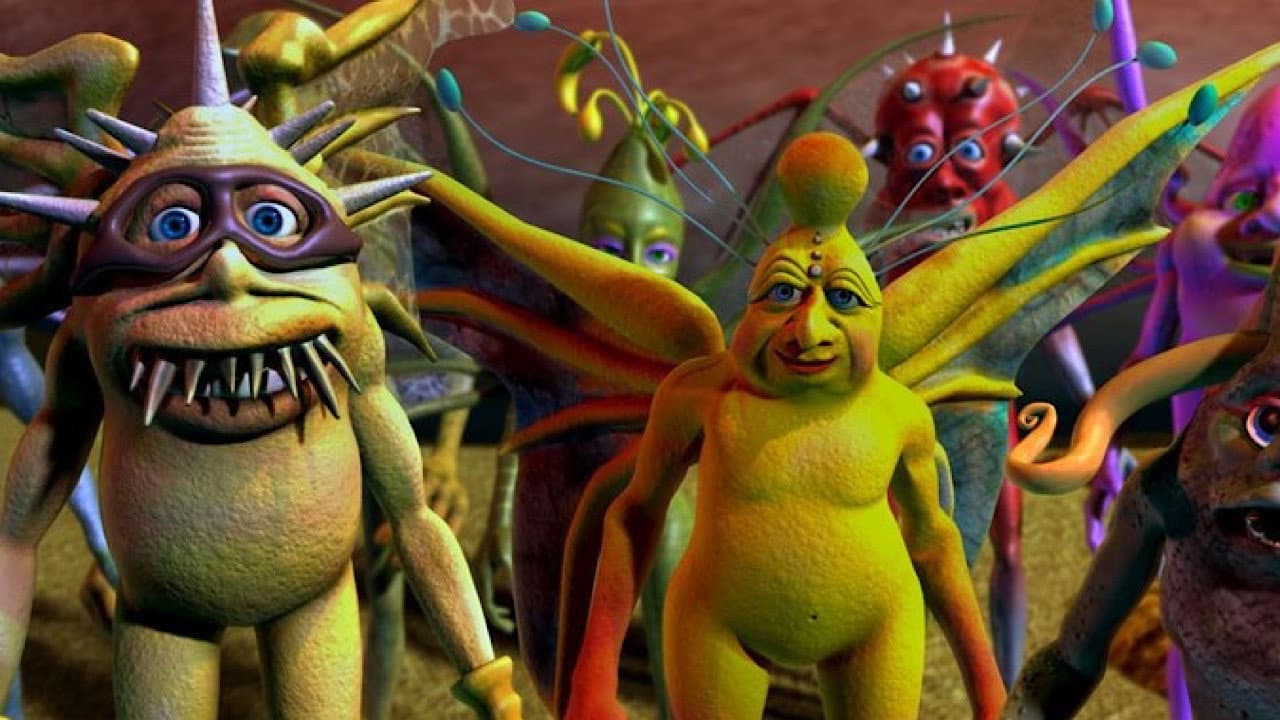
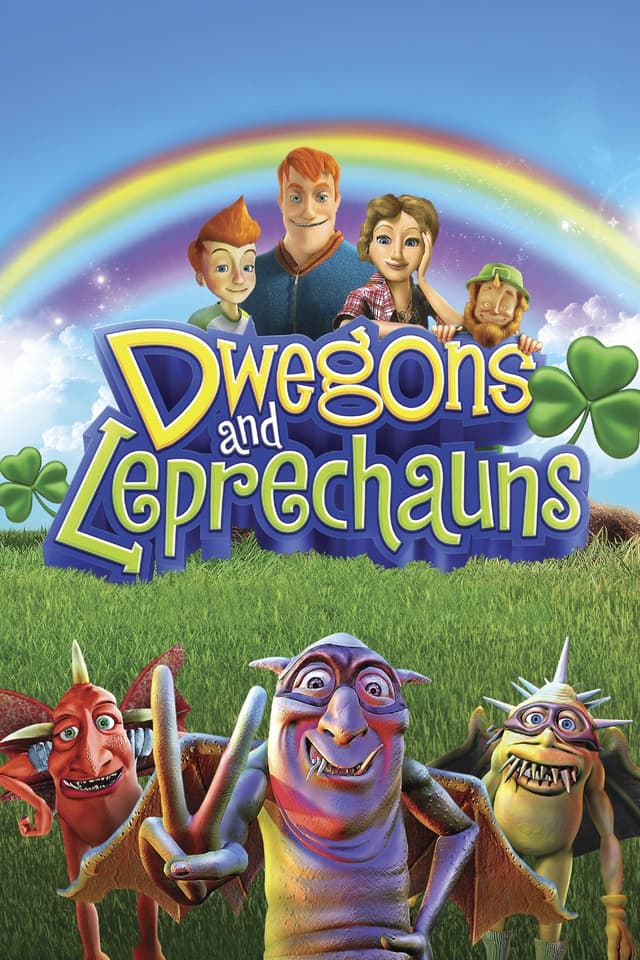
A young human boy named David befriends a clan of underground dwarf-like creatures called Dwegons, who must defend their hidden world against the marauding Leprechauns who have stolen their treasure. The film blends 3D animation, fantasy adventure, and a lighthearted moral about friendship across species.
What Is the Budget of Dwegons and Leprechauns (2014)?
Dwegons and Leprechauns (2014), directed by Brian Olliver and produced through the independent Eagle Vision Films banner, carried a reported production budget of $20,000,000. The figure is unusual for an independent 3D-animated feature with no major studio attachment and has been the subject of repeated skepticism among animation-industry observers, who note that comparable independent CG features have shipped at one-third to one-half that cost. No major studio distributed the film theatrically in any market.
The financing came primarily from private equity investors organized through the producers and was not anchored by a studio first-look deal, a presale slate, or a streaming acquisition. As a result, the conventional break-even calculation against marketing and distribution carry costs does not apply in the standard form, and the film functioned more as a passion-project release than as a commercial bet against a theatrical opening weekend.
Key Budget Allocation Categories
Dwegons and Leprechauns's budget was distributed across several core production areas:
- CG Animation Production: The full 3D-animated feature required a multi-year pipeline covering modeling, rigging, animation, lighting, and rendering. The studio engaged a mix of US and international animation vendors to complete the picture, an expensive route compared with consolidating the pipeline at a single facility.
- Voice Cast: The voice ensemble was led by character actors rather than A-list names, keeping per-talent compensation modest, though session days, ADR, and pickups still represented a meaningful budget line. Brian Olliver also voiced supporting characters.
- Score and Music: An original orchestral score was commissioned to support the fantasy-adventure tone, with recorded sessions used rather than fully synthesized instrumentation.
- Marketing and Festival Costs: With no studio distributor, marketing carry costs were absorbed directly by the producers and were largely limited to a festival run and digital trailers. There was no traditional P&A spend in the studio-release sense.
- Multi-Year Production Carry: The film was in production for several years, with associated overhead, facility rental, software licensing, and crew retention costs accruing across the timeline. Extended production schedules are a major budget driver on independent animated features.
- Distribution and Delivery Masters: The producers prepared theatrical, home-video, and digital delivery masters across multiple formats and language tracks in anticipation of international sales that ultimately did not materialize at the originally projected scale.
How Does Dwegons and Leprechauns's Budget Compare to Similar Films?
Dwegons and Leprechauns is difficult to slot against major studio releases because it lacked their distribution. The closer comparison set is the independent 3D-animated feature category:
- Free Birds (2013): Budget $55,000,000 | Worldwide $110,259,420. Relativity Media independent Thanksgiving CG release the year before cost roughly 2.75 times the Dwegons reported budget but actually opened wide theatrically and recouped most of its cost in theaters and ancillaries.
- The Nut Job (2014): Budget $42,000,000 | Worldwide $120,896,047. The South Korean co-produced CG family release of the same year cost about twice the Dwegons budget but opened theatrically through Open Road Films and earned nearly three times its production cost worldwide.
- Strange Magic (2015): Budget approximately $35,000,000 | Worldwide $13,597,684. Touchstone-distributed Lucasfilm CG film from the next year shows the downside risk of a studio-distributed mid-budget animated feature, having earned less than half its budget. Dwegons lacked even the theatrical access to test this category.
- Norm of the North (2016): Budget approximately $18,000,000 | Worldwide $30,156,069. Lionsgate Premiere CG family release from two years later represents the closer indie-CG budget tier and modestly out-earned the Dwegons recorded data through its theatrical run.
Dwegons and Leprechauns Box Office Performance
Dwegons and Leprechauns did not receive a theatrical release in the United States or the major international markets. Box Office Mojo, The Numbers, and other theatrical-revenue trackers carry no reported gross for the film. It was sold through limited digital and home-video channels and screened at a small number of US festivals.
Box Office Breakdown
Dwegons and Leprechauns

Because the reported $20,000,000 production figure is widely disputed by animation-industry observers and the film never received a wide release, the conventional ROI calculation is largely theoretical. The commercial outcome is best described as a non-event in the theatrical market, with whatever recoupment occurred coming through limited digital and ancillary sales channels.
Dwegons and Leprechauns Production History
Development on Dwegons and Leprechauns began in the early 2010s under Eagle Vision Films, with Brian Olliver writing, directing, and producing. The script drew loosely on Celtic and Norse folklore traditions and was structured as the first installment of a planned franchise that never advanced beyond this initial feature.
Production stretched across several years between the early 2010s and the 2014 completion, drawing on multiple animation vendors in the United States and internationally to complete the CG pipeline. The extended schedule, the lack of a single dedicated facility, and the reliance on equity rather than studio financing combined to produce the unusually high reported budget for an independent CG feature.
The film received minimal distribution upon completion. There was no US theatrical opening, no Netflix or other major streaming acquisition at launch, and no significant international sales. The film became one of the more frequently cited examples in independent-animation trade press of the pitfalls of equity-financed CG features without a distribution partner in place from the start.
Awards and Recognition
Dwegons and Leprechauns received no major awards recognition. The film was not nominated at the Annie Awards, the Academy Awards, the BAFTAs, or any of the established animation industry ceremonies. It also did not appear on year-end critic lists or specialty animation festival juries.
The film occasionally screens at independent and family-festival showcases, but it has not entered the awards conversation in any meaningful capacity. Its primary cultural footprint has been as a case study in animation-budget reporting rather than as a critically recognized work.
Critical Reception
Dwegons and Leprechauns received virtually no mainstream critical coverage at the time of its limited release. The film has no Rotten Tomatoes critic consensus and no Metacritic score, reflecting the absence of professional reviews from outlets that depend on theatrical release windows for film coverage. User ratings on IMDb and Letterboxd are low, with reviewers commenting on the dated CG quality and the thin storytelling.
Animation-industry commentators have repeatedly questioned whether the reported $20,000,000 production budget reflects actual spending or whether it represents an inflated number for tax, financing, or insurance purposes. The persistent skepticism around the budget figure has shaped the limited critical conversation around the film more than its artistic content has.
The film stands as a representative example of the late-cycle independent-CG-animation challenge: extended timelines, fragmented production pipelines, equity financing without studio distribution partners, and ambitious franchise plans that fail to find a foothold in a market dominated by Disney, Pixar, DreamWorks, and Illumination releases.
Frequently Asked Questions
How much did Dwegons and Leprechauns (2014) cost to make?
The reported production budget is $20,000,000, a figure that has been widely disputed by animation-industry observers because comparable independent CG features have shipped at one-third to one-half that cost. The film was financed primarily through private equity rather than a studio.
Did Dwegons and Leprechauns get a theatrical release?
No meaningful theatrical release. Box Office Mojo, The Numbers, and other theatrical-revenue trackers carry no reported gross for the film. It was sold through limited digital and home-video channels and screened at a small number of US festivals.
Who directed Dwegons and Leprechauns?
Brian Olliver wrote, directed, and produced the film through his independent Eagle Vision Films banner. He also voiced supporting characters in the picture.
Why is the $20 million budget for Dwegons and Leprechauns disputed?
Animation-industry observers note that comparable independent CG features released in the same era (Norm of the North, The Nut Job, Free Birds) shipped at budgets that fully accounted for the entire production cost, and Dwegons lacks the visual fidelity those budgets purchased. The reported figure may reflect inflated reporting for tax, financing, or insurance purposes.
Is Dwegons and Leprechauns available to watch?
The film is available through limited digital channels including Amazon and a small number of free ad-supported streaming services as of 2026. It is not on Netflix, Disney+, HBO Max, or any of the major subscription platforms.
How does Dwegons and Leprechauns compare to other 2014 animated films?
The 2014 animated marketplace was dominated by The Lego Movie, How to Train Your Dragon 2, Big Hero 6, The Book of Life, and The Boxtrolls. Dwegons and Leprechauns lacked the studio distribution, marketing, and visual scale of any of those releases and was not in commercial contention with them.
Did Dwegons and Leprechauns get a sequel?
No. The film was originally planned as the first installment of a franchise, but no sequel ever entered production. The commercial outcome of the first film effectively ended the franchise plans.
What is a Dwegon?
In the film, a Dwegon is a fictional underground dwarf-like creature drawn from a loose mix of Celtic and Norse folklore. The species is invented for the film and does not correspond to any specific traditional mythological creature.
Where can I find reviews of Dwegons and Leprechauns?
The film has virtually no mainstream critical coverage. Rotten Tomatoes carries no critic consensus and Metacritic has no score, reflecting the absence of professional reviews from outlets that depend on theatrical release windows. User ratings on IMDb and Letterboxd are low.
Did Dwegons and Leprechauns win any awards?
No. The film was not nominated at the Annie Awards, the Academy Awards, the BAFTAs, or any of the established animation industry ceremonies. It also did not appear on year-end critic lists or specialty animation festival juries.
Filmmakers
Dwegons and Leprechauns

Official Trailer
Build budgets like this one in Saturation
Start from an industry-standard feature film template, import the schedule and rates you already have, and let the cost report keep itself current as you spend. Real-time collaboration, no spreadsheets.