Cuckoo Budget
Updated
Synopsis
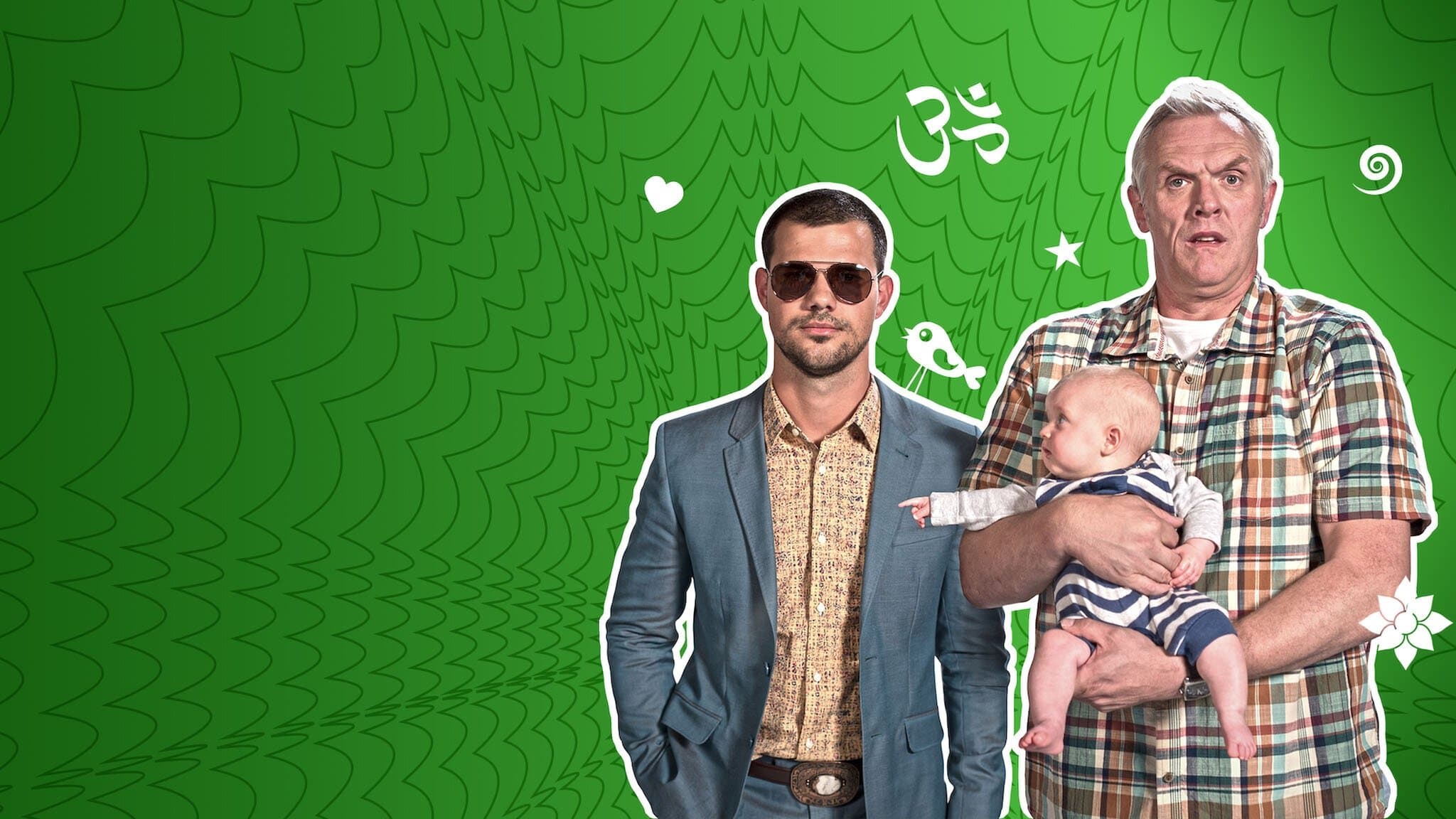
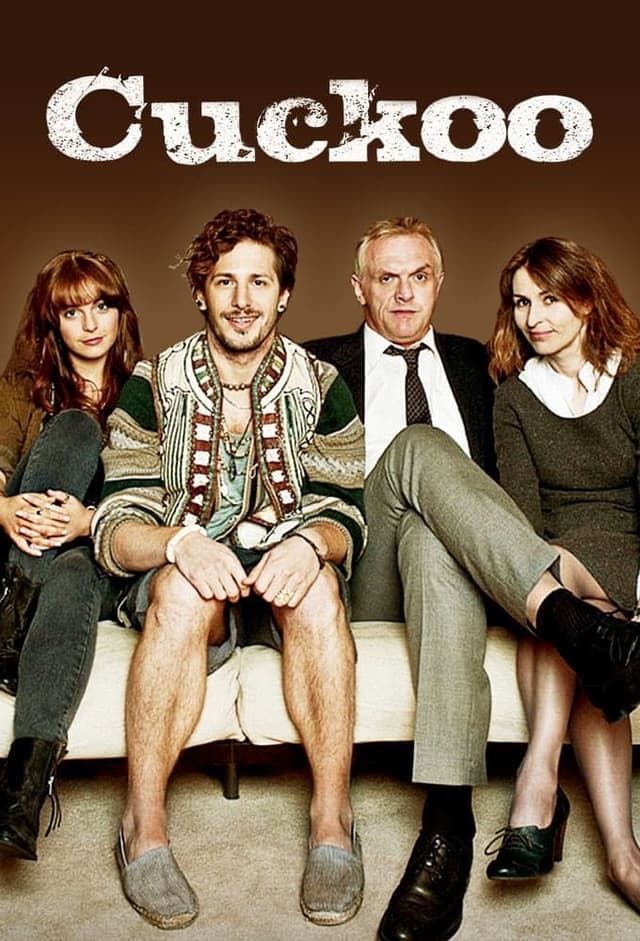
Cuckoo (2012) is the BBC Three half-hour sitcom created by Robin French and Kieron Quirke about a Lichfield middle-class family whose grammar-school graduate daughter returns from a gap year having married Cuckoo, a sandal-wearing American spiritual seeker. The show ran for five seasons and 35 episodes between September 2012 and December 2019, with Andy Samberg playing Cuckoo in season one and Taylor Lautner replacing him as the long-lost American son Dale for the subsequent seasons. Greg Davies, Helen Baxendale, Esther Smith, and Tyger Drew-Honey played the Thompson family across the run.
What Is the Budget of Cuckoo (2012)?
Cuckoo (2012), the BBC Three half-hour sitcom created by Robin French and Kieron Quirke, was produced on an estimated per-episode budget of approximately £350,000 to £500,000, or roughly $550,000 to $800,000, across its five-season run from September 2012 to December 2019. Across 35 broadcast episodes plus a 2017 Children in Need special, the cumulative production spend is estimated at approximately $20,000,000 to $28,000,000 in period dollars. Specific BBC Three budgets are not publicly disclosed, but the figures align with the corporation's standard 30-minute scripted comedy tariff during the show's run.
Roughcut Television, an Endemol UK label founded by Ash Atalla (The Office), produced the series in-house for BBC Three. The show's economics shifted materially when BBC Three moved from broadcast to online-only delivery in February 2016: seasons three (2016), four (2018), and five (2019) were produced as an online-first BBC iPlayer commission with a slightly reduced per-episode tariff and a more compressed delivery schedule, although headline cast costs (anchored by Greg Davies and the rotating American lead) actually rose across the run.
Key Budget Allocation Categories
Cuckoo's per-episode spend broke down across the cost centres typical of a UK 30-minute single-camera sitcom, with several show-specific items reflecting the recurring use of American above-the-line talent:
- Above-the-Line Cast: Andy Samberg (season one), Taylor Lautner (seasons two and three), and Andie MacDowell (recurring across the run) commanded American film-star rates against a UK sitcom budget, making lead casting the largest single line item. Greg Davies, Helen Baxendale, Esther Smith, and Tyger Drew-Honey rounded out the regular ensemble at standard UK comedy rates.
- Lichfield and Staffordshire Location Production: The show was set in the Staffordshire town of Lichfield and shot extensively on practical Midlands locations across the run. The Lichfield Cathedral, Beacon Park, and surrounding domestic streets became recurring exteriors. Roughcut's use of regional crew and Birmingham-area facilities held weekly cost below a London-shot equivalent.
- Cast Travel for American Leads: Flying Andy Samberg, Taylor Lautner, and Andie MacDowell into the UK for compressed shooting blocks added significant travel, accommodation, and insurance costs above a standard UK sitcom budget. Each season required a tight 6-to-8-week principal photography window built around the American lead's availability.
- Regular Ensemble Costs: Greg Davies (Ken Thompson), Helen Baxendale (Lorna Thompson), Esther Smith (Rachel Thompson), and Tyger Drew-Honey (Dylan Thompson) anchored every season as the Lichfield family the visiting American disrupts. The ensemble cast budget rose modestly across the five-season run but stayed within UK comedy norms.
- Original Music: An original score and licensed-pop needle drops typical of contemporary UK comedy. The show used licensed indie and Americana tracks to underline the cultural-collision premise, which absorbed a steady weekly music-licensing line item.
- BBC Three Delivery Workflow: The show's post-production budget covered picture editing, sound, ADR, and BBC Three delivery. From season three (2016) onward, when BBC Three moved online, the post pipeline shifted to iPlayer-first delivery without materially reducing technical spec.
- Comedy Cold-Open and Title Sequence: The show's signature montage cold opens and visual gags, sometimes including animated transitions or photo-stunt fourth-wall breaks, required incremental graphics-and-animation post above a vanilla single-camera comedy.
- Visiting Guest Cast: A rotating roster of UK comedy guest stars, including the regular use of Robbie Williams in an extended Children in Need special, added incremental episodic guest-cast cost.
How Does Cuckoo's Budget Compare to Similar Series?
At an estimated $550,000 to $800,000 per episode, Cuckoo sat at the upper end of BBC Three half-hour comedy economics, with the premium driven mostly by American star casting rather than production scale. The comparison set illustrates how its budget stacked up against contemporaneous British and American family sitcoms:
- Gavin & Stacey (2007): Estimated per-episode budget approximately £350,000 ($550,000). Baby Cow Productions's BBC Three (later BBC One) half-hour broke through to mainstream audiences on a similar Midlands-and-Welsh-coast production base. Gavin & Stacey priced itself comparably to Cuckoo without American star premium, instead spending on a larger UK ensemble.
- Friday Night Dinner (2011): Estimated per-episode budget approximately £350,000 to £400,000 ($550,000 to $625,000). Big Talk's Channel 4 family sitcom hit a similar tariff with no American casting overhead, illustrating that Cuckoo's incremental American-star spend represented roughly 30% of total per-episode cost.
- The Inbetweeners (2008): Estimated per-episode budget approximately £400,000 ($625,000). Bwark Productions's E4 teen comedy ran at a similar tariff with a UK-only cast and similar regional shooting economics, suggesting Cuckoo's American star premium pushed it visibly above contemporaneous UK comedy norms.
- Modern Family (2009): Estimated per-episode budget approximately $2,000,000 to $3,500,000. ABC and 20th Century Fox's American family sitcom cost roughly three to four times Cuckoo's per-episode spend, illustrating the standard gap between US network comedy and UK BBC Three half-hour comedy.
- Brooklyn Nine-Nine (2013): Estimated per-episode budget approximately $2,000,000 to $3,000,000. Andy Samberg's American sitcom, which premiered the year after his Cuckoo debut, cost three to four times the UK show. Samberg famously left Cuckoo after one season to take the Brooklyn Nine-Nine lead.
- Catastrophe (2015): Estimated per-episode budget approximately £400,000 to £500,000 ($625,000 to $800,000). Avalon's Channel 4 / Amazon Studios Anglo-American comedy hit Cuckoo's tariff while leveraging an American co-financier, illustrating one alternative model for Anglo-American casting economics.
Cuckoo Season Performance and Syndication
Cuckoo premiered on BBC Three on 25 September 2012 to strong overnight ratings and immediate critical attention, owing largely to Andy Samberg's lead casting at a moment when his Lonely Island work and Saturday Night Live tenure had made him a recognisable name in the UK. The show's economic framework breaks down as follows:
- Per-Episode Budget: approximately $550,000 to $800,000 across the five-season run
- Total Series Investment: approximately $20,000,000 to $28,000,000 across 35 broadcast episodes plus a 2017 Children in Need special
- Network: BBC Three in the United Kingdom (broadcast through 2016, online-only from 2016); Netflix internationally in selected territories
- Audience/Ratings: season one premiere drew approximately 2,500,000 viewers in the UK overnight (a record for BBC Three at the time); later seasons ran in the 700,000 to 1,200,000 range after the channel moved online
- International Distribution: Netflix acquired worldwide non-UK streaming rights; Hulu carried earlier seasons in the US; the show airs on BBC America and on BBC Studios-licensed channels in additional territories
- Library/Syndication Value: BBC iPlayer in the UK and Netflix internationally provide ongoing streaming value; Roughcut Television and Endemol Shine continue to monetise the catalogue
Cuckoo's season-one premiere drew approximately 2,500,000 BBC Three viewers, then a network record for a comedy debut and a figure boosted by the BBC One repeat broadcast that followed. The lead-actor turnover (Andy Samberg to Taylor Lautner in season two, then a recurring Lautner role across season three) was an unusual structural choice in UK comedy and was driven by Samberg's departure to Brooklyn Nine-Nine in 2013.
When BBC Three moved from broadcast to online-only delivery in February 2016, seasons three through five reached smaller absolute audience figures but performed strongly on BBC iPlayer and on Netflix internationally. The show was wound down after season five in December 2019 as part of BBC Three's post-broadcast reset.
Cuckoo Production History
Robin French and Kieron Quirke developed Cuckoo for Roughcut Television, the BBC-focused independent producer founded by Ash Atalla (best known as producer of The Office and The IT Crowd). The pitch centred on a clash-of-cultures premise: a Lichfield grammar-school graduate returns home from her gap year having married Cuckoo, a sandal-wearing American spiritual seeker, and the family is forced to absorb him into their middle-class English household.
Casting Andy Samberg as Cuckoo in season one (2012) brought a recognisable American comedy star into UK BBC Three programming, an unusual move at the time. Samberg shot the six-episode first season in a compressed 2012 production window between Saturday Night Live commitments and his then-upcoming Brooklyn Nine-Nine pilot. When Brooklyn Nine-Nine was greenlit at Fox for autumn 2013, Samberg was unable to return for season two, which forced Roughcut and the BBC to retool the show around a new American lead.
The producers cast Taylor Lautner of the Twilight (2008) film series as Dale, the long-lost American son of the original Cuckoo, for seasons two (2014) and three (2016). Lautner's casting drew significant tabloid coverage in the UK and pushed season-two ratings back above season-one levels. Greg Davies, Helen Baxendale, Esther Smith, and Tyger Drew-Honey returned across the run as the Thompson family in Lichfield. Andie MacDowell joined in a recurring role as Cuckoo's mother across the later seasons.
Principal photography took place on practical locations in Lichfield, Staffordshire, and across the broader Midlands, with Roughcut using Birmingham-area crew and facilities to keep production cost manageable. The Lichfield Cathedral, Beacon Park, and surrounding suburban streets recurred as exteriors throughout the run. BBC Three's move from broadcast to online-only in February 2016 reset the show's commissioning context: seasons three, four, and five were produced as BBC iPlayer-first commissions with no broadcast premiere window.
Production wrapped after season five in late 2019, with BBC Three confirming no further commissions in early 2020. Roughcut Television was absorbed into Endemol Shine's broader UK label structure across the show's run, and the catalogue is now monetised through BBC Studios international distribution and Netflix's non-UK streaming rights.
Awards and Recognition
Cuckoo received Royal Television Society and British Comedy Awards nominations across its run, particularly for Greg Davies and Helen Baxendale's performances as the Thompson parents. The show was nominated for the BAFTA Television Award for Best Scripted Comedy in 2013 (season one) but did not win, with the award going to Twenty Twelve.
Andy Samberg's season-one performance drew specific recognition in UK media outlets as a successful Anglo-American casting experiment, and the show was credited within the industry with helping reposition BBC Three's scripted comedy slate ahead of the channel's 2016 move online. Taylor Lautner's casting in season two drew unexpectedly strong UK tabloid attention but did not generate awards traction.
The show's broader cultural impact was modest. It did not produce a breakout catchphrase or a long-running cultural reference point in the manner of Gavin & Stacey or The Inbetweeners, but it provided BBC Three with a reliable cornerstone comedy across the channel's transition from broadcast to online-only delivery.
Critical Reception
Cuckoo received generally positive reviews on its 2012 launch, with The Guardian calling Samberg's performance "a small comic miracle" and The Telegraph praising the Thompson family ensemble. The Times in 2012 noted that the show "successfully translates an Apatow-style American slacker into a Staffordshire middle-class family unit," and Variety highlighted the season-one premiere as evidence of BBC Three's ability to attract American comedy stars.
Reception softened when Taylor Lautner replaced Andy Samberg in season two (2014). The Guardian's Mark Lawson noted that the recasting "felt like a producer's puzzle rather than a creative decision," and The Telegraph wrote that Lautner's straight-man performance lacked Samberg's improvisational ease. Greg Davies's exasperated patriarch performance was singled out throughout the run as the show's most reliable comedic anchor.
Retrospective reception has been mixed. The show holds a moderate audience score on Rotten Tomatoes and a steady viewer following on Netflix internationally, but it has not been included on major British "best comedy of the decade" lists in the way Gavin & Stacey, Catastrophe, or Fleabag have been. Cuckoo is best understood as a successful workhorse BBC Three comedy that helped bridge the channel's broadcast-to-online transition rather than as a creative landmark.
Frequently Asked Questions
How much did each episode of Cuckoo (2012) cost to produce?
Estimated per-episode budgets ranged from approximately £350,000 to £500,000 (roughly $550,000 to $800,000) across the five-season run from 2012 to 2019. BBC Three half-hour comedy budgets are not publicly disclosed, but the figure aligns with the corporation's standard 30-minute scripted comedy tariff during the period.
How many seasons and episodes of Cuckoo were made?
Cuckoo ran for five seasons spanning 35 broadcast episodes plus a 2017 Children in Need special on BBC Three (and BBC iPlayer from season three onward). The series premiered on 25 September 2012 and concluded on 26 December 2019.
Who played Cuckoo in season one?
American actor and comedian Andy Samberg, then known for Saturday Night Live and the Lonely Island, played the title character Cuckoo in season one (2012). He left after one season to take the lead role of Jake Peralta in Fox's Brooklyn Nine-Nine, which premiered in autumn 2013. Cuckoo's death is written into the season-two premiere, and Samberg appears only in flashback after season one.
Why did Andy Samberg leave Cuckoo?
Andy Samberg left Cuckoo after season one to take the lead role of Detective Jake Peralta in Fox's Brooklyn Nine-Nine, which premiered in September 2013. Samberg's departure was driven by the American network commitment rather than any creative dispute, and he has spoken publicly about the show in interviews without negative reference.
Who replaced Andy Samberg in Cuckoo?
Taylor Lautner of the Twilight (2008) film series joined Cuckoo in season two (2014) as Dale, the long-lost American son of the original Cuckoo character. Lautner played the role across seasons two and three (2014 to 2016), with his casting drawing significant UK tabloid attention. Lautner did not appear in seasons four or five, which were anchored by the existing Thompson family ensemble plus Andie MacDowell.
Where was Cuckoo filmed?
Cuckoo was set in the Staffordshire town of Lichfield and shot extensively on practical Midlands locations across the run. Lichfield Cathedral, Beacon Park, and surrounding suburban streets recurred as exteriors throughout the series. Roughcut Television used Birmingham-area crew and facilities to keep production cost manageable, with no significant London-based shooting.
Who created Cuckoo (2012)?
Robin French and Kieron Quirke created Cuckoo for Roughcut Television, the BBC-focused independent producer founded by Ash Atalla (The Office, The IT Crowd). The show was commissioned for BBC Three with a clash-of-cultures premise centred on a Lichfield middle-class family's reaction to their daughter's sudden marriage to an American spiritual seeker.
Did Cuckoo air outside the UK?
Yes. Netflix acquired worldwide non-UK streaming rights and made the show available across most international territories. Hulu carried earlier seasons in the United States before the Netflix deal, and BBC America aired selected episodes. The show has retained a steady international audience on Netflix throughout the post-broadcast period.
Why did Cuckoo end after season five?
BBC Three confirmed no further commissions in early 2020 following the December 2019 broadcast of season five. The decision was part of BBC Three's broader post-broadcast slate reset after the channel's 2016 move to online-only delivery. The show's creators have publicly described season five as a planned conclusion rather than a cancellation, and the catalogue continues to perform steadily on BBC iPlayer and Netflix.
How does Cuckoo compare to Gavin & Stacey and Friday Night Dinner?
Gavin & Stacey (2007) cost approximately £350,000 per episode and Friday Night Dinner (2011) cost approximately £350,000 to £400,000 per episode, both broadly comparable to Cuckoo's tariff. Cuckoo's premium over its UK comedy peers, an estimated 30% of total per-episode cost, was driven almost entirely by American star casting (Andy Samberg and Taylor Lautner) rather than production scale.
Filmmakers
Cuckoo

Official Trailer
Build budgets like this one in Saturation
Start from an industry-standard feature film template, import the schedule and rates you already have, and let the cost report keep itself current as you spend. Real-time collaboration, no spreadsheets.