Coming Home in the Dark Budget
Updated
Synopsis
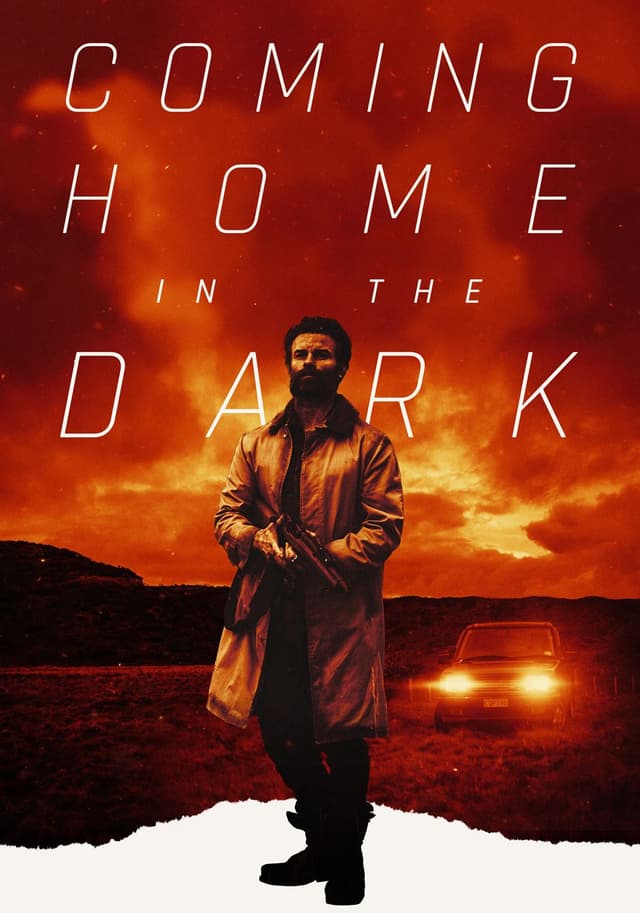
A family hiking holiday in a remote New Zealand backcountry turns into a slow horror when two drifters appear at their picnic. As the strangers reveal a connection to the father's past employment at a troubled boys' group home, the survivors are forced on a long night drive through the dark country with a captor whose grievance is decades older than they realized.
What Is the Budget of Coming Home in the Dark (2021)?
Coming Home in the Dark (2021), directed by James Ashcroft and produced by Homecoming Pictures with co-producing partners, was made on a reported budget of NZ$970,000 (approximately US$700,000 at 2020 exchange rates). The microbudget reflected the New Zealand independent film financing model, with funding from the New Zealand Film Commission and supplementary private investment covering the production. Saban Films acquired North American distribution rights and MPI Media Group handled world sales.
The economics reflected the New Zealand independent film tradition. The country's small but highly skilled film community has produced internationally recognized work at sub-million-dollar budget levels, with Coming Home in the Dark following in the lineage of similar New Zealand contained-thriller productions. Director James Ashcroft, in his feature debut, packaged the project with producers Mike Minogue, Catherine Fitzgerald, and Desray Armstrong through Homecoming Pictures.
Key Budget Allocation Categories
The NZ$970,000 microbudget was distributed across these core areas:
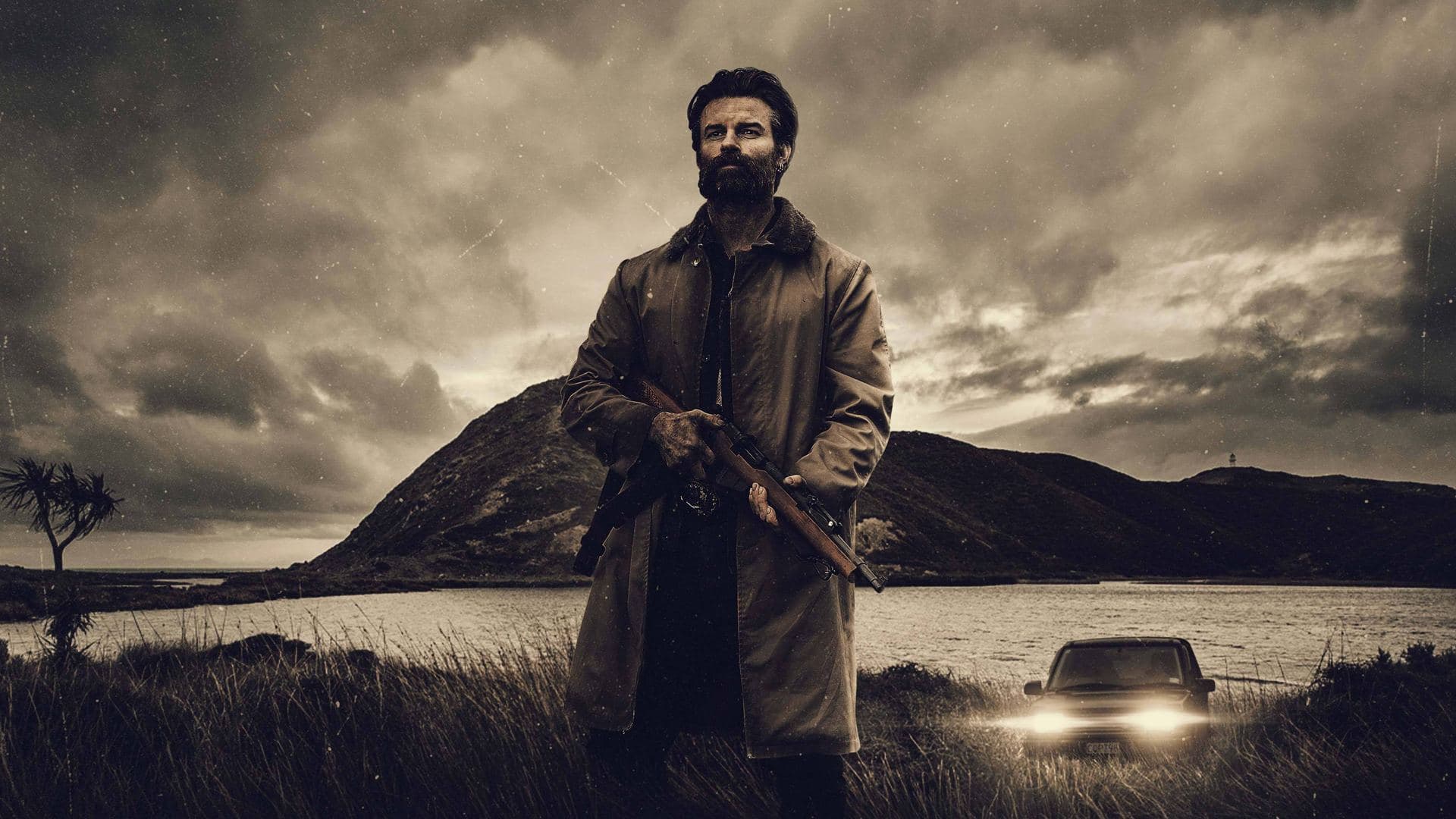
- Above-the-Line Talent: Daniel Gillies (The Vampire Diaries, The Originals), the lead antagonist Mandrake, brought a recognizable television lead to the production at a deeply reduced indie rate appropriate to a passion project. Erik Thomson (Packed to the Rafters), Miriama McDowell, and Matthias Luafutu filled out the principal cast at the New Zealand independent film scale. Ashcroft's director fee through Homecoming Pictures reflected first-time director rates.
- New Zealand Location Shoot: Principal photography took place across remote New Zealand backcountry locations including South Island highway stretches, isolated farmland, and night exteriors. The contained four-week shoot in 2020 leveraged New Zealand's landscape as both setting and production efficiency, with the limited cast and contained narrative requiring minimal large-crew location infrastructure.
- Single-Vehicle Production: Much of the film takes place inside a single station wagon as the captor drives the surviving family members through the night. The vehicle-bound structure substantially reduced location, set, and crew requirements, with most of the film's key sequences shot from camera rigs attached to the practical vehicle. The single-vehicle approach is a recurring microbudget genre strategy.
- Cinematography: Director of photography Matt Henley shot the film with an atmospheric, naturalistic New Zealand night-driving aesthetic. The cinematography budget covered camera package rental, vehicle camera rigs, and the minimal lighting infrastructure required for the night-driving and remote-location sequences.
- Score and Sound: Composer John Gibson delivered an unsettling score that underscored the slow-tension narrative. The music budget covered original composition and limited orchestral recording, with the score functioning as a critical atmosphere-creation tool rather than a major budget category.
- New Zealand Film Commission Funding: The production benefited from New Zealand Film Commission funding, the country's national funding body for independent productions. The NZFC investment plus private funding sources comprised the bulk of the production budget, with Ashcroft's public comments noting that the production relied heavily on crew goodwill and reduced rates from the best available New Zealand technical talent.
How Does Coming Home in the Dark's Budget Compare to Similar Films?
At NZ$970,000 (approximately US$700,000), Coming Home in the Dark sits at the microbudget end of contained genre cinema:
- Hounds of Love (2016): Budget under $1,000,000 estimated | Worldwide $300,000. Ben Young's Australian contained psychological thriller is the closest budget-and-subject comparison from neighboring New Zealand.
- Wolf Creek (2005): Budget A$1,000,000 | Worldwide $27,800,000. Greg McLean's Australian outback thriller is a closer regional and subject comparison at a similar microbudget scale that broke through commercially.
- The Vanishing (1988): Budget undisclosed (estimated under $1,000,000) | Worldwide undisclosed. The Dutch art-horror classic is a thematic ancestor in slow-tension single-driver psychological horror.
- Locke (2013): Budget under $2,000,000 | Worldwide $4,500,000. Steven Knight's single-vehicle drama with Tom Hardy is a closer formal comparison for the in-vehicle dialogue structure.
- Saturday Night Fever (1977) — not applicable: New Zealand microbudget production economics differ substantially from larger contemporary studio outputs. The closer comparison set is the indigenous New Zealand and Australian contained-thriller tradition.
Coming Home in the Dark Box Office Performance
Coming Home in the Dark premiered at the 2021 Sundance Film Festival on January 31, 2021 in the World Cinema Dramatic competition section. The festival received strong critical attention and the film was acquired by Saban Films for North American distribution and by additional regional partners for international release. The film received a limited theatrical and VOD release in October 2021.
Box Office Breakdown
Coming Home in the Dark

Specific theatrical and VOD revenue has not been disclosed by Saban Films or the New Zealand producers. The film's commercial life has been most substantial through home video, streaming licensing across multiple territories (including AMC+, Shudder, and various international partners), and the long art-horror catalog tail. The microbudget structure meant that even modest revenue could deliver positive returns across the multi-window distribution model.
Industry coverage framed the film as a successful international breakthrough for New Zealand independent cinema and for director James Ashcroft. The model the production represented (microbudget contained thriller with international festival visibility and multi-territory streaming licensing) became increasingly central to New Zealand independent film financing strategies through the early 2020s. Ashcroft's subsequent feature The Rule of Jenny Pen (2024) continued the production approach at a similar scale.
Coming Home in the Dark Production History
Development began at Homecoming Pictures with director James Ashcroft adapting Owen Marshall's 1995 short story for the screen alongside co-writer Eli Kent. Marshall, one of New Zealand's most prominent contemporary short-story writers, had built a literary career around quiet horror and the dark undercurrents of New Zealand domestic life. Ashcroft saw in the source material a vehicle for a contained, slow-tension thriller that engaged with the country's long-standing institutional abuse history without explicit exposition.
Daniel Gillies attached as the antagonist Mandrake in 2019, drawn to the contained nature of the role and the New Zealand setting (Gillies is a New Zealander who had built his career through American television series). The supporting cast was assembled from New Zealand acting talent including Erik Thomson, Miriama McDowell, and Matthias Luafutu. The production secured funding from the New Zealand Film Commission alongside private investment.
Principal photography ran in 2020 across remote New Zealand backcountry locations, with the bulk of the film shot inside a station wagon or in immediate proximity to it. Cinematographer Matt Henley used vehicle camera rigs to capture the in-car sequences, and the production maintained a compact crew throughout the four-week shoot. Composer John Gibson delivered the original score in post-production.
Post-production wrapped in late 2020 ahead of the film's 2021 Sundance Film Festival selection. The film premiered at Sundance on January 31, 2021 and was acquired by Saban Films for North American distribution and additional regional partners for international release. A limited theatrical and VOD release followed in October 2021, with subsequent streaming licensing across multiple territories extending the film's commercial life.
Awards and Recognition
Coming Home in the Dark received specific festival and regional awards recognition. The film's Sundance Film Festival premiere generated strong critical attention that propelled its international visibility. It went on to play at festivals including Sitges, the Toronto After Dark Film Festival, and the New Zealand International Film Festival, accumulating audience and critic recognition across the genre festival circuit.
Daniel Gillies received Best Actor recognition from multiple regional and genre festival awards bodies for his Mandrake performance. The film and director James Ashcroft received nominations at the New Zealand Film Awards (Rialto Channel New Zealand Film Awards), with the film winning multiple categories including Best Director, Best Screenplay, and Best Supporting Actress for Miriama McDowell. The New Zealand Film Critics' Awards also recognized the film across multiple categories.
The recognition pattern established Coming Home in the Dark as one of the most internationally visible New Zealand independent films of the early 2020s and confirmed James Ashcroft as a director to watch. Ashcroft's subsequent feature The Rule of Jenny Pen (2024), again with the producing team from Coming Home in the Dark, continued the trajectory the first film established.
Critical Reception
Coming Home in the Dark received strong reviews. The film holds a 92% approval rating on Rotten Tomatoes from 62 critics with an average of 7.0/10, and a 64 out of 100 score on Metacritic indicating generally favorable reviews. The critical consensus described the film as "smart, well-acted, and above all scary," with sustained praise for the slow-tension narrative structure.
Variety's Guy Lodge wrote that the film "marks a confident New Zealand horror debut" and praised Daniel Gillies' menacing central performance. Roger Ebert's Tomris Laffly called the film "a sustained exercise in dread that earns every minute of its discomfort," and IndieWire's David Ehrlich placed it among the year's strongest genre debuts. The New York Times and The Guardian both ran positive reviews highlighting the film's engagement with New Zealand's institutional-abuse history without explicit thematic statement.
Critics broadly praised Gillies' antagonist performance, Ashcroft's directorial control, and the contained narrative structure that maintained tension across the film's 95-minute runtime. Some critics objected to the bleakness of certain plot beats and the slow pacing, but the dominant critical reception elevated the film to substantial international visibility. The combined critical reception established the film as a representative work of the early-2020s art-horror revival and confirmed New Zealand's ongoing contribution to international independent genre cinema.
Frequently Asked Questions
How much did it cost to make Coming Home in the Dark (2021)?
The reported production budget was NZ$970,000 (approximately US$700,000 at 2020 exchange rates). The film was funded by the New Zealand Film Commission with supplementary private investment, following the New Zealand independent film financing model. Director James Ashcroft has noted that the production relied heavily on crew goodwill and reduced rates from the best available New Zealand technical talent.
Where can I watch Coming Home in the Dark?
The film premiered at the 2021 Sundance Film Festival on January 31, 2021. It received a limited theatrical and VOD release in October 2021 through Saban Films in North America, with subsequent streaming licensing to AMC+, Shudder, and various international partners. The film is available on multiple streaming and rental platforms.
Who directed Coming Home in the Dark?
James Ashcroft directed the film as his feature debut. Ashcroft co-wrote the screenplay with Eli Kent, adapting Owen Marshall's 1995 short story. His follow-up feature The Rule of Jenny Pen (2024) continued the producing collaboration established with Coming Home in the Dark.
Where was Coming Home in the Dark filmed?
Principal photography took place across remote New Zealand backcountry locations in 2020, including South Island highway stretches, isolated farmland, and night exteriors. Much of the film was shot inside a single station wagon as the antagonist drives the surviving family members through the night, with the single-vehicle approach reducing location and crew requirements.
Is Coming Home in the Dark based on a book?
The film is adapted from Owen Marshall's 1995 short story of the same name. Marshall, one of New Zealand's most prominent contemporary short-story writers, has built a literary career around quiet horror and the dark undercurrents of New Zealand domestic life. James Ashcroft and Eli Kent expanded the short story into the feature screenplay.
Who plays Mandrake in Coming Home in the Dark?
Daniel Gillies (The Vampire Diaries, The Originals) plays the antagonist Mandrake. Gillies is a New Zealander who built his career through American television series, and the role brought him back to his home country for one of his strongest dramatic performances to date. The casting added a recognizable television lead to the microbudget New Zealand production.
How long is Coming Home in the Dark?
The film runs approximately 95 minutes. The contained narrative structure maintains tension across the runtime, with the bulk of the action taking place inside a single station wagon during a long night drive through remote New Zealand backcountry.
Did Coming Home in the Dark win any awards?
The film won multiple categories at the Rialto Channel New Zealand Film Awards including Best Director for James Ashcroft, Best Screenplay, and Best Supporting Actress for Miriama McDowell. Daniel Gillies received Best Actor recognition from multiple regional and genre festival awards bodies. The film played at festivals including Sundance, Sitges, and Toronto After Dark.
What did critics think of Coming Home in the Dark?
The film received strong reviews with a 92% Rotten Tomatoes approval rating from 62 critics and a 64 out of 100 Metacritic score. The critical consensus described the film as "smart, well-acted, and above all scary." Variety called it "a confident New Zealand horror debut" and Roger Ebert's reviewer called it "a sustained exercise in dread that earns every minute of its discomfort."
How does Coming Home in the Dark compare to other New Zealand and Australian thrillers?
The NZ$970,000 budget sits within the microbudget contained thriller tradition shared with films like Wolf Creek (2005) at A$1,000,000 and Hounds of Love (2016) at under $1,000,000. Coming Home in the Dark's strong critical reception and festival visibility placed it among the early-2020s standout New Zealand independent productions, alongside the broader regional contained-thriller tradition.
Filmmakers
Coming Home in the Dark

Official Trailer
Build budgets like this one in Saturation
Start from an industry-standard feature film template, import the schedule and rates you already have, and let the cost report keep itself current as you spend. Real-time collaboration, no spreadsheets.