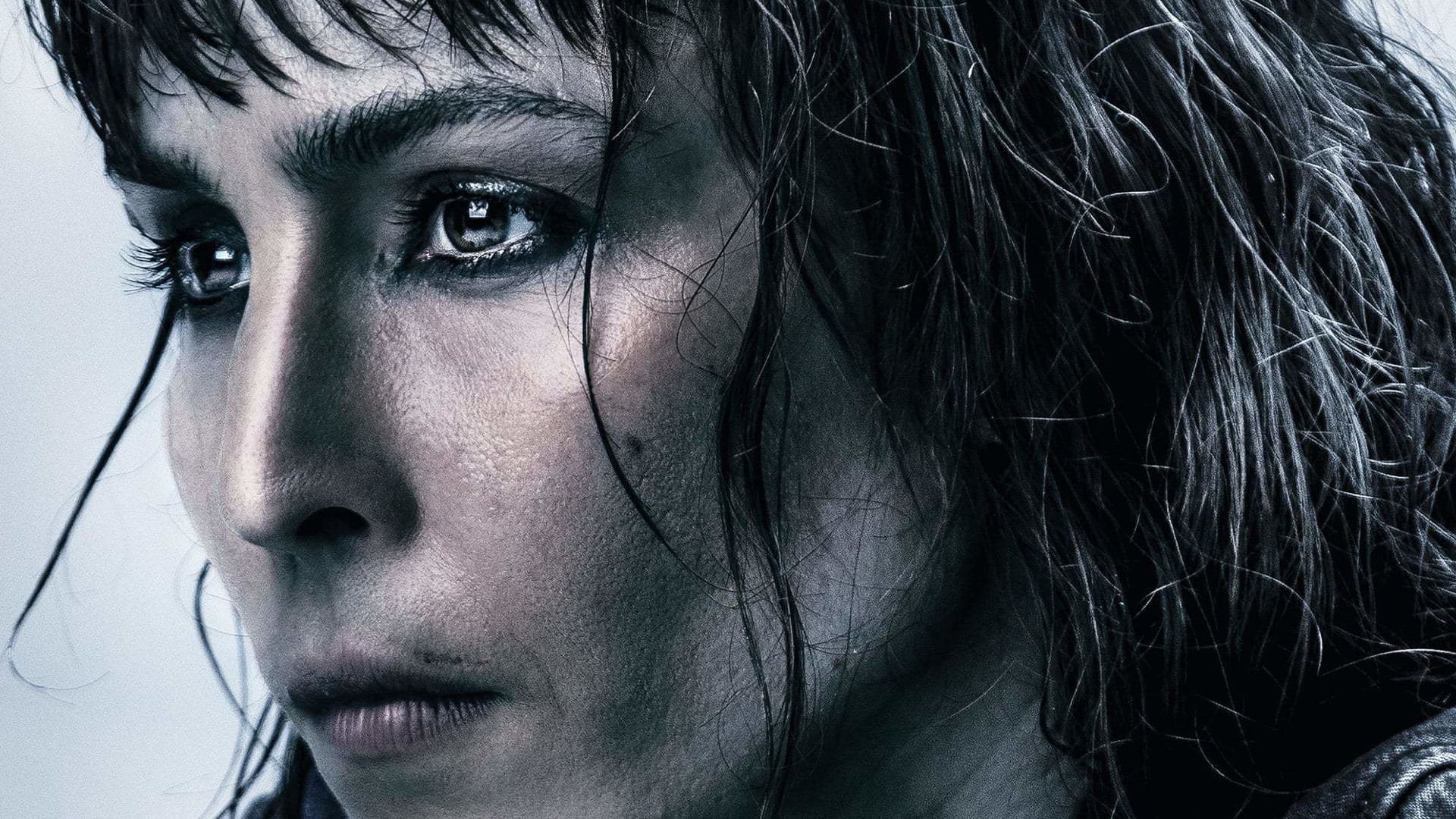
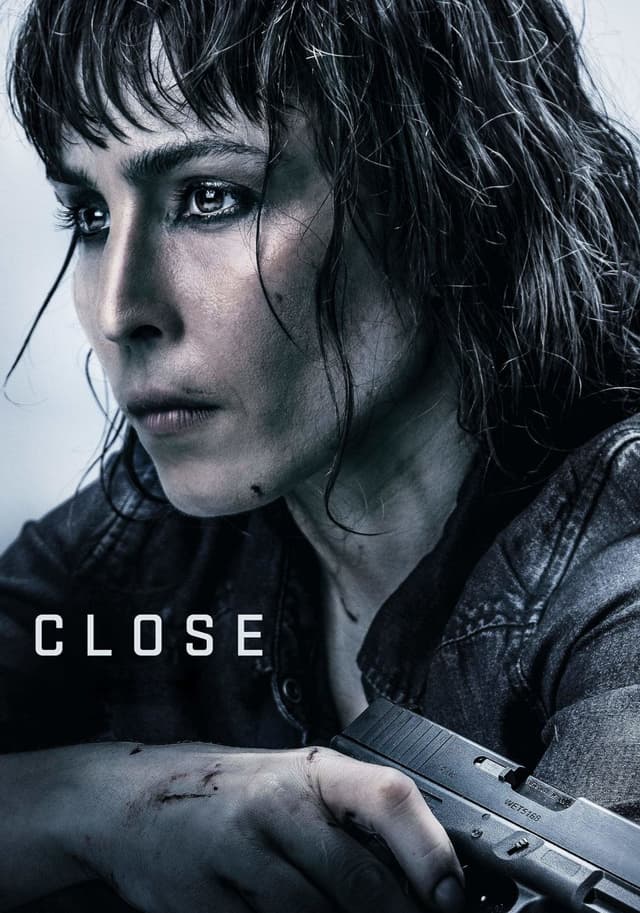
Close Budget
 ActionAdventureThriller1h 35m
Updated
Synopsis
Sam Carlson, a battle-hardened close protection officer with a military and counter-terror background, is hired to protect Zoe Tanner, the young heiress to a mining magnate's fortune. When their fortified Moroccan residence is breached and Zoe's bodyguard team is wiped out, Sam must navigate a web of corrupt police, mercenaries, and corporate blackmail to keep her client alive.
What Is the Budget of Close (2019)?
Close (2019), directed by Vicky Jewson, was produced on an estimated budget of $8,000,000 to $12,000,000. The film was financed through independent UK production partners with Netflix acquiring worldwide streaming rights ahead of the January 18, 2019 launch. The Netflix pickup, structured as an all-rights worldwide deal, was the principal recoupment mechanism for a project that received only a token theatrical release in support of the streaming launch.
Jewson and her producing partner Rupert Whitaker built the project around real-world close-protection officer Jacquie Davis, whose work as one of the UK's first female bodyguards inspired the central character. The contained production model leveraged Morocco's incentive structure and Pinewood Studios' UK base to deliver an internationally credible action thriller at a budget tier well below the comparable studio thriller envelope.
Key Budget Allocation Categories
The estimated $8,000,000 to $12,000,000 budget broke down across:
- Above-the-Line Talent: Noomi Rapace, fresh off The Girl with the Dragon Tattoo franchise and Prometheus, anchored the cast as Sam Carlson, with Sophie Nélisse cast as Zoe Tanner and Indira Varma and Eoin Macken filling key supporting roles. Rapace's casting was the production's principal commercial bet, with her established profile providing the international marketability that supported the Netflix pickup.
- Morocco Location Shoot: Principal photography included extensive location work in Casablanca and Marrakesh, Morocco. The Morocco shoot delivered the visual authenticity required for the mining-magnate compound and the broader North African geography of the screenplay, with the production qualifying for Morocco's then-current 20% film production rebate on qualifying local spend.
- Pinewood Studios UK Base: Studio work for the fortified-compound interior set, the corporate boardroom sequences, and the action set pieces took place at Pinewood Studios in the United Kingdom. The UK film tax relief at the qualifying rate covered a portion of the British-incurred production spend.
- Stunt and Action Design: Action coordination from Olivier Schneider (Taken, Inferno, Lucy) drove the film's hand-to-hand combat, vehicular set pieces, and tactical assault sequences. Rapace underwent extensive pre-production training in firearms, hand-to-hand combat, and close-protection tactics, with Jacquie Davis consulting throughout principal photography.
- Production Design: The fortified Moroccan residence at the heart of the film required either a built compound set or a heavily dressed practical location, with the design balancing North African architectural authenticity and Western corporate-elite signaling. Production designer Adam Squires built the visual world the film inhabits.
- Score and Music: Composer Lorne Balfe (Mission: Impossible – Fallout, Black Widow) provided an original score that elevated the film's action register beyond what the budget envelope would normally have supported. Balfe's involvement was a meaningful above-the-line technical commitment for an indie-tier production.
How Does Close's Budget Compare to Similar Films?
At an estimated $8,000,000 to $12,000,000, Close sits in the contemporary contained female-led action thriller production tier. The comparison set illustrates how its cost profile maps onto similar Netflix and theatrical action thrillers:
- Atomic Blonde (2017): Budget $30,000,000 | Worldwide $100,022,809. Charlize Theron's Focus Features Cold War thriller cost roughly three to four times what Close was made for, illustrating the gap between major-studio female-led action and Netflix-funded indie equivalents in the same window.
- Polar (2019): Budget approximately $40,000,000 | Worldwide negligible (Netflix). Jonas Åkerlund's Mads Mikkelsen Netflix actioner cost roughly four times what Close was made for and demonstrates the upper-bound of Netflix's investment in original action.
- Anna (2019): Budget approximately $25,000,000 | Worldwide $30,500,000. Luc Besson's Sasha Luss spy thriller cost roughly twice what Close was made for and offers the contemporary female-led action comparison with theatrical release strategy.
- Pretty Lethal (2026): Budget approximately $20,000,000 to $25,000,000 | Worldwide N/A (Prime Video). Vicky Jewson's follow-up production cost roughly twice what Close was made for and demonstrates how the director's envelope has expanded between the two Netflix and Prime Video acquisitions.
Close Box Office Performance
Close received only a token theatrical release in selected international territories ahead of its January 18, 2019 Netflix launch. The film grossed approximately $60,400 worldwide in limited theatrical release, primarily through specialty distributors in territories where Netflix did not hold local rights or where a theatrical-streaming window was contractually required.
Against an estimated production budget of $8,000,000 to $12,000,000, the financial breakdown is dominated by the Netflix acquisition rather than theatrical recoupment:
Box Office Breakdown
Close

Netflix internal viewership figures placed the film among the platform's top action releases during its first month from January 18, 2019, with strong sustained engagement across European, Latin American, and Asian territories. The film became a foundational entry in Netflix's contained-action acquisition strategy, alongside titles like Polar (2019) and Triple Frontier (2019) released in the same window.
The commercial significance for Vicky Jewson is the platform leverage Close generated. The film provided the proof-of-concept that supported her subsequent attachment to Pretty Lethal (2026), demonstrating her ability to direct contained female-led action geography for streaming-platform economics.
Close Production History
Vicky Jewson and producing partner Rupert Whitaker developed the project across several years beginning in 2015, drawing on real-world close-protection officer Jacquie Davis as the central character inspiration. Davis, one of the UK's first female bodyguards, had protected high-profile clients including Nicole Kidman and members of the British royal family, and her career provided the texture and procedural authenticity at the heart of the screenplay.
Principal photography ran from August through October 2017 across Pinewood Studios in the United Kingdom and on location in Casablanca and Marrakesh, Morocco, utilizing the UK's film tax relief alongside Morocco's then-current 20% film production rebate. The Morocco location work delivered the visual authenticity required for the mining-magnate compound and the broader North African geography of the screenplay.
Noomi Rapace was cast in mid-2017 on the strength of her established profile as a female action lead, with the production scheduling extensive pre-production firearms and combat training. Jacquie Davis consulted throughout principal photography, providing the procedural detail that distinguished Close from more conventional action thrillers in the contemporary Netflix slate.
Netflix acquired worldwide distribution rights in 2018, with the platform locking the January 18, 2019 launch date in late 2018 and beginning a sustained global publicity campaign through December 2018 and early January 2019. The Netflix global launch was supported by a token theatrical release in select international territories.
Awards and Recognition
Close did not receive significant awards recognition. The film sat outside the conventional industry-awards calendar as a contained-action Netflix release without festival premieres or theatrical positioning. Noomi Rapace's physical performance generated genre-press recognition but did not translate into nominations from the major guild, critics, or industry ceremonies.
The Action Icon Awards and Taurus World Stunt Awards recognized Olivier Schneider's action coordination and Rapace's physical work in selected categories, but the film was not positioned for the Saturn Awards genre slate. The most enduring recognition has come from genre-press lists of strong female-led action thrillers of the late-2010s, where Close is frequently cited alongside Atomic Blonde and Anna.
Critical Reception
Close received mixed reviews. The film holds a 35% approval rating on Rotten Tomatoes based on 34 critic reviews and a 51 out of 100 score on Metacritic, indicating broadly mixed critical reception with most reviewers acknowledging the central performance while flagging structural and pacing problems.
The Hollywood Reporter wrote that the film "puts a welcome female-fronted spin on the prototypical action thriller; unfortunately, the rest of the movie's ingredients are tediously predictable." Variety praised Rapace's physical commitment while describing the screenplay as "competent but unsurprising." The Guardian's Cath Clarke gave the film a positive review focused on Rapace's central performance and the procedural authenticity drawn from Jacquie Davis's career.
Critical reservations focused on the screenplay's reliance on familiar action-thriller mechanics and the corporate-blackmail third act, which several reviewers found tonally inconsistent with the kinetic close-protection sequences of the first two acts. Rapace's lead performance was nearly universally cited as the film's strongest element, with multiple reviewers placing it among her strongest English-language work. Vicky Jewson's direction was positioned in the critical conversation as competent contained-action filmmaking with room to grow, a positioning that materially supported her subsequent attachment to Pretty Lethal seven years later.
Frequently Asked Questions
How much did it cost to make Close (2019)?
The production budget was not publicly disclosed but is estimated at $8,000,000 to $12,000,000 based on the scale of the production, the Morocco location shoot, and the Pinewood Studios UK base. The film was independently financed with Netflix acquiring worldwide streaming rights ahead of the January 18, 2019 launch.
Who directed Close?
Vicky Jewson directed the film, co-writing the screenplay with her producing partner Rupert Whitaker. Jewson and Whitaker developed the project around real-world close protection officer Jacquie Davis, who consulted on the screenplay and on set during principal photography.
Where was Close filmed?
Principal photography ran from August through October 2017 at Pinewood Studios in the United Kingdom and on location in Casablanca and Marrakesh, Morocco. The production used both the UK film tax relief and Morocco's film production rebate at the qualifying rates for the respective territories.
Is Close based on a true story?
The central character Sam Carlson is inspired by real-world close protection officer Jacquie Davis, one of the UK's first female bodyguards. Davis consulted on the screenplay and on set during principal photography, providing the procedural authenticity at the heart of the film. The specific plot of Close is fictional, but the texture of the close-protection work is drawn directly from Davis's career.
Where can I watch Close?
The film is available globally on Netflix, which acquired worldwide streaming rights ahead of the January 18, 2019 launch. Netflix continues to hold the rights in all territories where the platform operates, with no transition to other streaming platforms or transactional VOD storefronts.
Who stars in Close?
Noomi Rapace stars as Sam Carlson, the close protection officer at the center of the story. Sophie Nélisse plays Zoe Tanner, the heiress Sam is protecting, with Indira Varma and Eoin Macken in key supporting roles as members of the broader corporate and security ecosystem the screenplay engages.
Did Close get a theatrical release?
Only a token theatrical release in selected international territories ahead of the January 18, 2019 Netflix launch. The film grossed approximately $60,400 worldwide in limited theatrical release, primarily through specialty distributors in territories where Netflix did not hold local rights or where a theatrical-streaming window was contractually required.
Did Close win any awards?
No. The film did not receive significant awards recognition, sitting outside the conventional industry-awards calendar as a contained-action Netflix release without festival premieres or theatrical positioning. Noomi Rapace's physical performance generated genre-press recognition but did not translate into nominations from major guild, critics, or industry ceremonies.
What did critics think of Close?
The film received mixed reviews. It holds a 35% approval rating on Rotten Tomatoes based on 34 critic reviews and a 51 out of 100 score on Metacritic. The Hollywood Reporter described the female-fronted spin as welcome but found the rest of the film predictable, while Variety praised Rapace's physical commitment and The Guardian gave the film a positive review focused on the central performance.
Who is Jacquie Davis?
Jacquie Davis is one of the United Kingdom's first female close protection officers and bodyguards, with a career that included protecting Nicole Kidman, members of the British royal family, and other high-profile clients. Director Vicky Jewson and writing partner Rupert Whitaker built the central character Sam Carlson on Davis's career, with Davis consulting on the screenplay and on set during principal photography.
Filmmakers
Close

Official Trailer
Build budgets like this one in Saturation
Start from an industry-standard feature film template, import the schedule and rates you already have, and let the cost report keep itself current as you spend. Real-time collaboration, no spreadsheets.