Cities of Last Things Budget
Updated
Synopsis
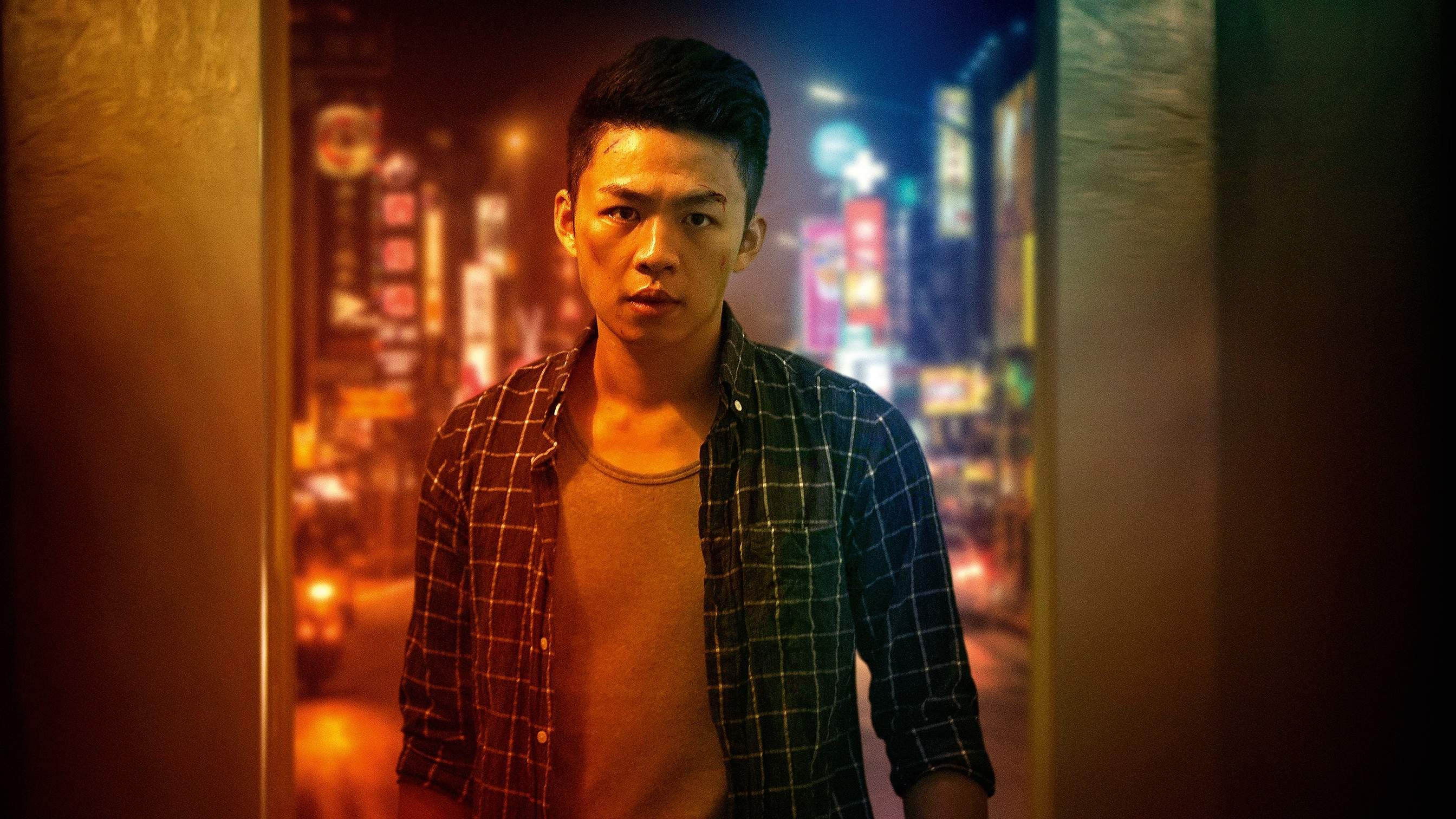
Across three nights in three different decades, the life of Zhang Dong-Ling unfolds in reverse chronology through a speculative-future Taipei, a contemporary cop-corruption present, and a formative 1990s past. Wi Ding Ho's reverse-order neo-noir collapses three eras of Taipei into one biography.
What Is the Budget of Cities of Last Things (2018)?
Cities of Last Things (2018), directed by Wi Ding Ho, was produced on an estimated budget of approximately $2,500,000 to $4,000,000. The figure has not been formally disclosed, but the contained Taiwan, China, and France co-production scale, the three-chapter structure spanning three decades, and the Netflix worldwide-acquisition model all support a figure in the low-single-digit-million range typical of Taiwanese and mainland Chinese art-house features at that scale.
The film was produced as a Taiwan, China, France, and United States co-production, with backing from Changhe Films, Reel Suspects, and additional regional financing partners. Netflix acquired worldwide streaming rights, releasing the film globally in 2019 following the Toronto International Film Festival Platform-section premiere in September 2018 where it won the Platform Prize.
Key Budget Allocation Categories
The estimated $2,500,000 to $4,000,000 budget supported a three-chapter Taipei-set neo-noir structure spanning three decades:
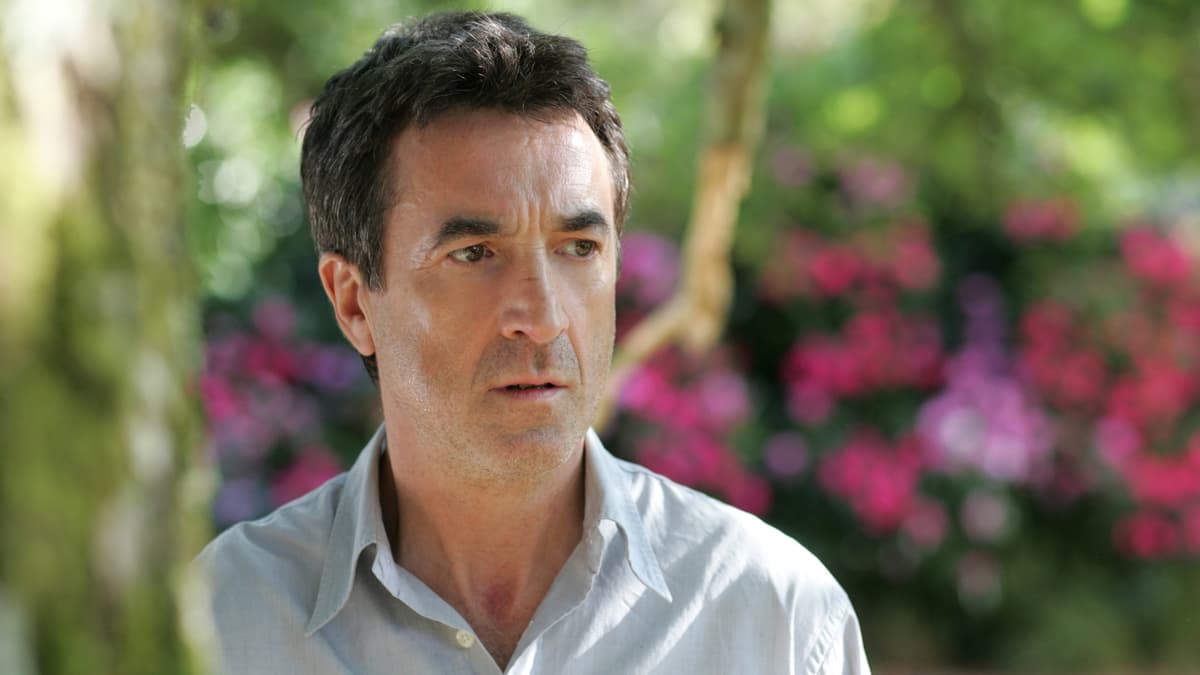
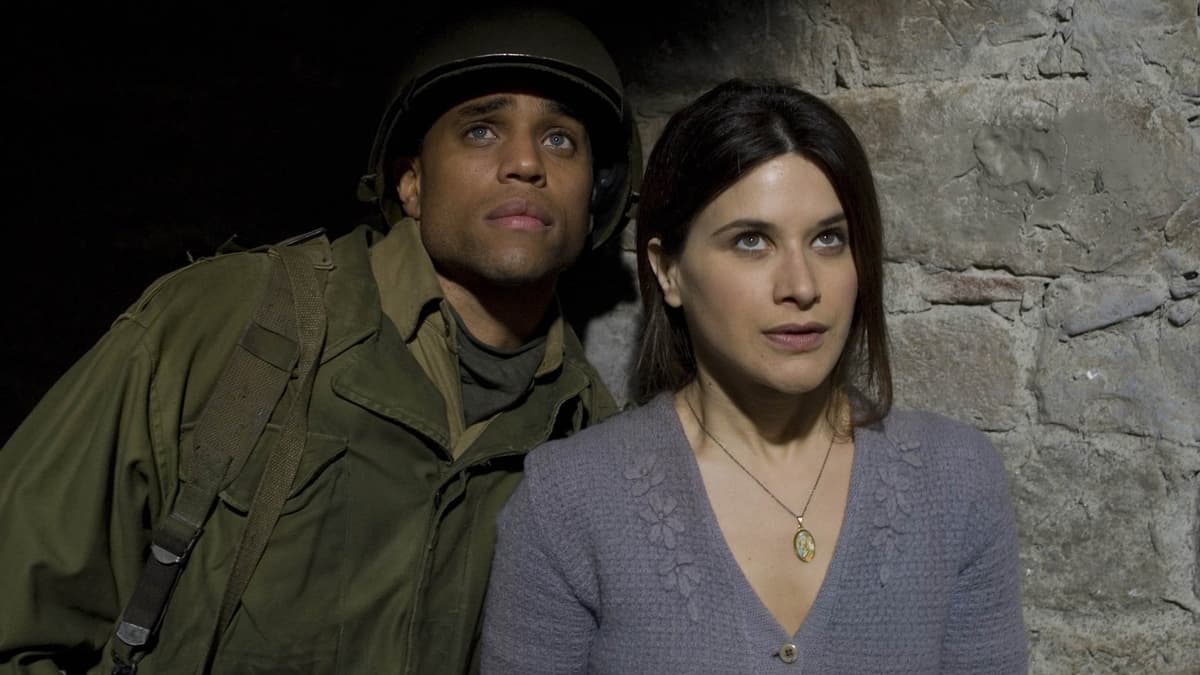
- Above-the-Line Talent: Jack Kao, Lee Hong-Chi, and Hsieh Chang-Ying played Zhang Dong-Ling at three different ages, with Stone, Louise Grinberg, Lu Hsueh-Feng, and Ning Ding in supporting roles across the three time periods. The three-actor lead casting supporting the chronological structure represented a meaningful budget commitment.
- Taipei Location Production: Principal photography took place in Taipei across multiple periods of the year to capture the futuristic, contemporary, and 1990s-period eras of the three chapters. The contained location footprint and the local crew supported the budget.
- Production Design: Three distinct period-and-future production-design palettes by Ricky Chen, including the speculative-future Taipei of the opening chapter, the contemporary cop-corruption Taipei of the middle chapter, and the 1990s-era Taipei of the closing chapter.
- Cinematography: Jean Louis Vialard, the French cinematographer known for Tropical Malady and other Apichatpong Weerasethakul collaborations, shot the film with three distinct visual registers corresponding to the three chronological chapters.
- Music: Lim Giong composed the score, integrating electronic and minimalist textures across the three chapters.
- Post-Production: Editorial by Sebastien de Sainte Croix and Wi Ding Ho, sound mix, color grading distinguishing the three eras, and Toronto International Film Festival premiere print delivery completed the finishing pipeline.
- International Co-Production Coordination: The Taiwan, China, France, and United States co-production structure required additional production-services coordination and rights administration across multiple regulatory regimes.
How Does Cities of Last Things's Budget Compare to Similar Films?
Cities of Last Things sits in the contained-budget Taiwanese and pan-Asian art-house landscape:
- A Sun (2019): Budget approximately $3,000,000 | Worldwide Netflix Original. Chung Mong-Hong's Taiwanese family drama at comparable budget represents the closest contemporary Taiwanese Netflix-distributed art-house peer.
- The Assassin (2015): Budget approximately $14,000,000 | Worldwide $4,800,000. Hou Hsiao-Hsien's Tang-dynasty wuxia art-house piece at much higher budget represents the higher-tier Taiwanese international-coproduction peer.
- Stray Dogs (2013): Budget approximately $1,500,000 | Worldwide $300,000. Tsai Ming-Liang's contained Taipei art-house piece at lower budget represents the closest contemporary Taiwanese auteur-cinema peer.
- Long Day's Journey Into Night (2018): Budget approximately $8,000,000 | Worldwide $43,800,000. Bi Gan's mainland Chinese art-house with the 3D long-take sequence at higher budget represents the contemporary Chinese-language art-house peer with comparable festival profile.
Cities of Last Things Box Office Performance
Cities of Last Things premiered at the Toronto International Film Festival on September 8, 2018 in the Platform section, winning the Platform Prize. The film received a limited theatrical rollout across Taiwan, mainland China, and selected international markets in late 2018 and early 2019 before Netflix's worldwide streaming acquisition expanded its reach. Granular theatrical box-office figures from the regional rollout are limited.
Against the estimated $2,500,000 to $4,000,000 production budget, the financial breakdown:
Box Office Breakdown
Cities of Last Things

The film operated on the festival-launched art-house distribution model with Netflix providing the worldwide streaming runway alongside selective Taiwan, China, and international theatrical rollouts. The Toronto Platform Prize win materially supported the international-rights and Netflix-acquisition economics.
Cities of Last Things Production History
Cities of Last Things originated as Wi Ding Ho's third feature film following the Malaysian-Taiwanese auteur's earlier work. Ho conceived the three-chapter structure to tell the life of one man, Zhang Dong-Ling, across three nights in three different decades, with the chronological reverse-order presentation moving from the speculative future through the contemporary and back to the 1990s. The structural concept anchored the international co-production financing pitch.
Principal photography took place in Taipei across the relevant calendar windows to capture the seasonal and atmospheric registers for the three chapters. Cinematographer Jean Louis Vialard developed three distinct visual palettes, and production designer Ricky Chen reconstructed period-specific Taipei environments across the three eras.
The film premiered at the Toronto International Film Festival on September 8, 2018 in the Platform section, winning the Platform Prize. Netflix acquired worldwide streaming rights and released the film globally in early 2019 alongside selective regional theatrical rollouts in Taiwan and mainland China.
Awards and Recognition
Cities of Last Things received significant international art-house awards recognition. The film won the Platform Prize at the 2018 Toronto International Film Festival, the festival's competition section recognizing director-driven cinema. The film received eight nominations at the 55th Golden Horse Awards, the principal Taiwanese film-industry awards, winning Best Original Film Score for Lim Giong. The film received Asian-cinema-circuit recognition through the Tokyo International Film Festival, Busan International Film Festival, and other regional showcases. The Platform Prize win materially elevated Wi Ding Ho's international profile.
Critical Reception
Cities of Last Things received strong critical reviews. The film holds an 86% Rotten Tomatoes approval rating based on a limited international critics sample, with the critical reception singling out Wi Ding Ho's structural ambition, Jean Louis Vialard's cinematography across the three chronological registers, and the ensemble performances from Jack Kao, Lee Hong-Chi, and Hsieh Chang-Ying as the three iterations of Zhang Dong-Ling.
Reviewers in Variety, IndieWire, The Hollywood Reporter, and Sight & Sound singled out the reverse-chronological neo-noir architecture, the speculative-future opening chapter, and the disciplined three-decade Taipei period reconstruction as the film's principal strengths. Critics positioned the film as a sophisticated piece of contemporary Asian art cinema and as Wi Ding Ho's strongest feature to date. The reception supported the Toronto Platform Prize win and the international Netflix distribution.
Frequently Asked Questions
How much did it cost to make Cities of Last Things (2018)?
The production budget has not been formally disclosed but is estimated at approximately $2,500,000 to $4,000,000, consistent with the international Taiwan, China, France, and United States co-production scale and contemporary Taiwanese auteur-cinema budgets.
Who directed Cities of Last Things?
Wi Ding Ho, the Malaysian-Taiwanese auteur, wrote and directed the film. It represented his third feature and was structured as a three-chapter reverse-chronological neo-noir following one man across three nights in three different decades.
Did Cities of Last Things win the Toronto Platform Prize?
Yes. The film won the Platform Prize at the 2018 Toronto International Film Festival, the festival's competition section recognizing director-driven cinema. The prize materially elevated Wi Ding Ho's international profile.
Where was Cities of Last Things filmed?
Principal photography took place in Taipei across multiple periods of the calendar year to capture the futuristic, contemporary, and 1990s-period eras of the three chapters. The film was structured as a Taiwan, China, France, and United States co-production.
Who stars in Cities of Last Things?
Jack Kao, Lee Hong-Chi, and Hsieh Chang-Ying play Zhang Dong-Ling at three different ages, with Stone, Louise Grinberg, Lu Hsueh-Feng, and Ning Ding in supporting roles across the three time periods.
When did Cities of Last Things release?
The film premiered at the Toronto International Film Festival on September 8, 2018 in the Platform section. Netflix acquired worldwide streaming rights and released the film globally in early 2019 alongside selective regional theatrical rollouts in Taiwan and mainland China.
Did Cities of Last Things win any awards?
Yes. The film won the Toronto Platform Prize at the 2018 Toronto International Film Festival and the Best Original Film Score award at the 55th Golden Horse Awards for Lim Giong, alongside seven additional Golden Horse nominations.
Is Cities of Last Things on Netflix?
Yes. Netflix acquired worldwide streaming rights and the film streams globally on the platform alongside its limited regional theatrical releases in Taiwan and mainland China.
Who shot Cities of Last Things?
Jean Louis Vialard, the French cinematographer known for Tropical Malady and other Apichatpong Weerasethakul collaborations, shot the film with three distinct visual palettes corresponding to the three chronological chapters.
What did critics think of Cities of Last Things?
Reviews were strong, with an 86% Rotten Tomatoes approval rating across a limited international critics sample. Critics praised the reverse-chronological neo-noir structure, the cinematography, and the ensemble performances, positioning the film as a sophisticated piece of contemporary Asian art cinema.
Filmmakers
Cities of Last Things

Official Trailer
Build budgets like this one in Saturation
Start from an industry-standard feature film template, import the schedule and rates you already have, and let the cost report keep itself current as you spend. Real-time collaboration, no spreadsheets.