Carrie Budget
 HorrorThriller1h 38m
Updated
Synopsis
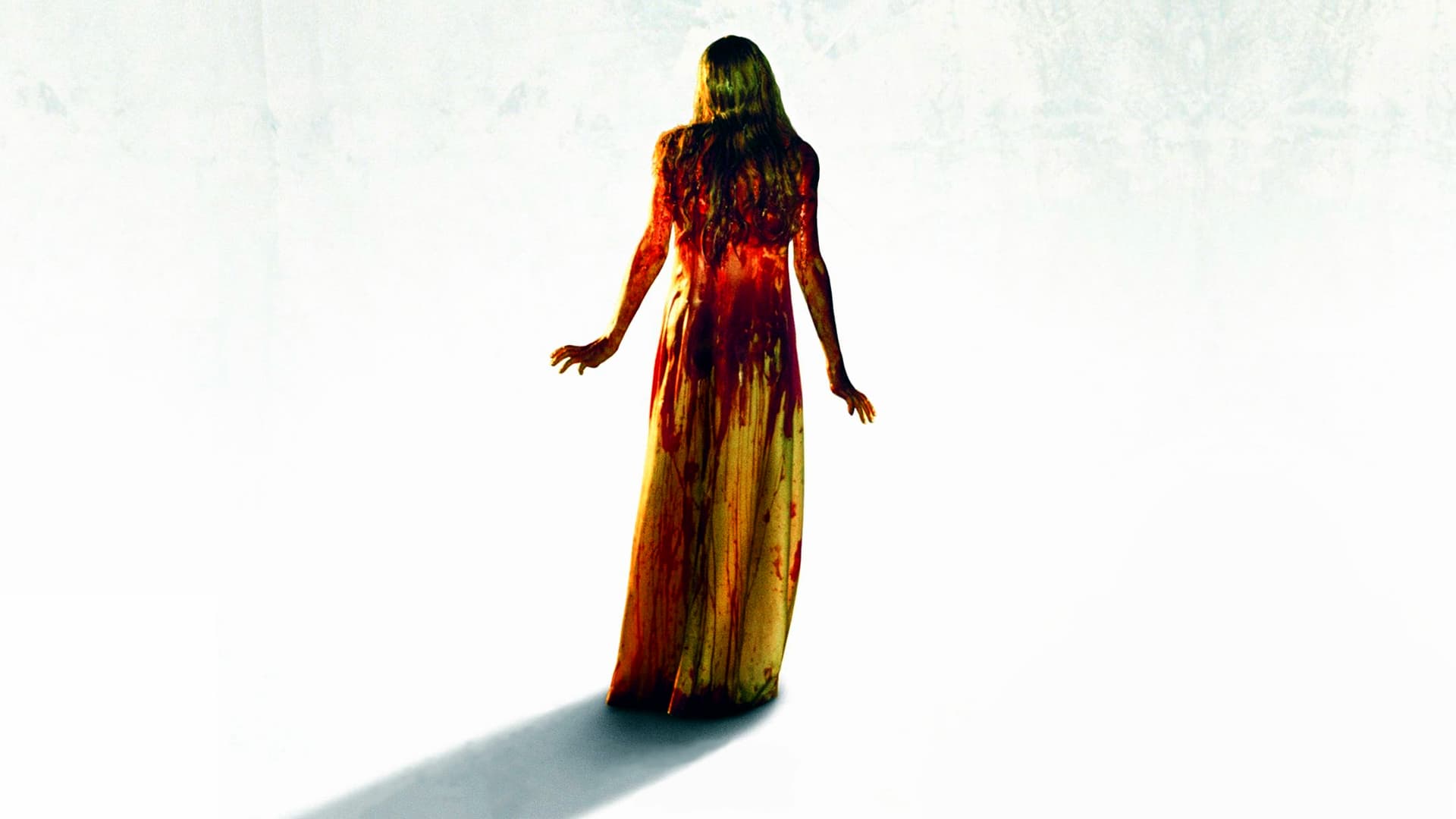
It's nearing the end of the school year. High school senior Carrie White is a social outcast, largely due to being unwise to the ways of the world based on her upbringing. Her mother, Margaret White, is a religious fanatic, her extreme views primarily targeted against sex, which she believes is a sin. She even believes natural associated processes such as menstruation are a sin, about which she has refused to mention to Carrie. Mrs. White's beliefs were taken to that extreme largely because of her own failed marriage and her husband Ralph long ago having run off with another woman. The only adult authority figure who tries to help Carrie with her life is her phys ed teacher, Miss Collins, who is nonetheless warned not to get too close to go against how Mrs. White chooses to raise Carrie, Mrs. White whose beliefs are well known in the community. An impromptu event that happens among Carrie's phys ed classmates against her leads to her classmates being punished. One of those students, self absorbed Chris Hargensen, vows revenge against Carrie for that punishment, the method of the revenge associated to the phys ed class incident. Another student however, the popular Sue Snell, begins to feel sorry for Carrie. In wanting to help her get out of her shell, Sue asks her boyfriend, the equally popular Tommy Ross, to take Carrie to the senior prom instead of her. This move does not sit well with Mrs. White, who in her extreme view believes Carrie will fall prey to sin. All these competing issues lead to Carrie deciding on an impulse to use a newfound skill to free herself from the figurative chains that have long been placed around her, with tragic consequences.
What is the budget of Carrie?
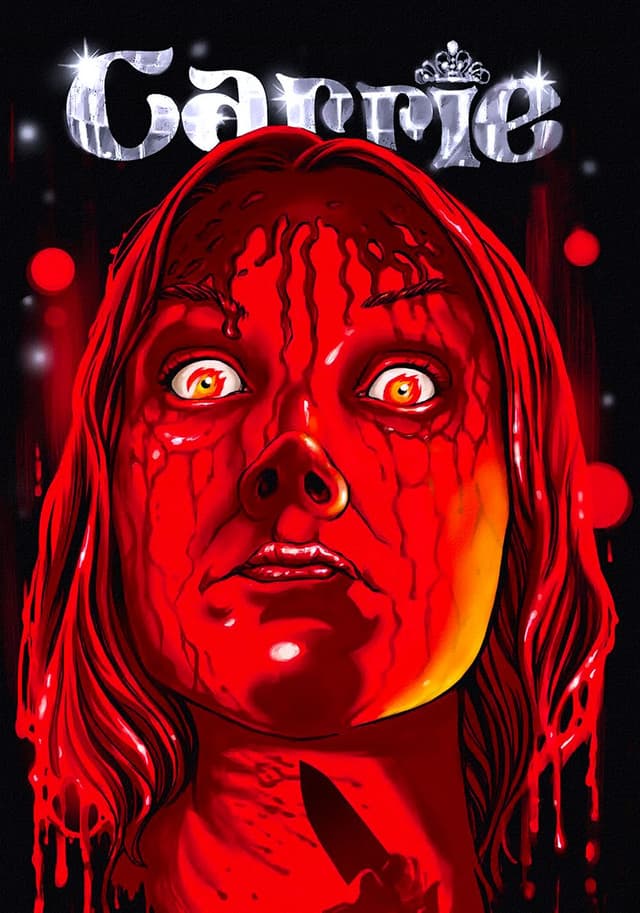
"Carrie," a horror released in 1976, was directed by Brian De Palma and stars Sissy Spacek, Piper Laurie. The production budget was $1,800,000, placing it in the micro-budget range for horror productions of the 1970s.
Key Budget Allocation Categories
While specific budget breakdowns are not publicly available, typical cost drivers for a horror production like this include:
- Practical Effects, Prosthetics & Makeup: Horror productions invest disproportionately in practical effects , prosthetic applications, animatronics, blood and gore effects, and creature suits. A single hero creature suit can cost $50,000 to 200,000.
- Atmospheric Production Design & Cinematography: Creating dread through environment is essential. Abandoned locations must be secured and dressed, lighting rigs designed for shadow and tension, and sets built to enable specific camera movements and reveals.
- Sound Design & Score: Horror is arguably the most sound-dependent genre. Foley work, ambient textures, frequency manipulation, and jump-scare stingers require specialized sound designers working with unconventional techniques.
What were the major cost factors in Carrie?
Several factors contributed to the overall production costs of "Carrie."
- Practical Effects: Practical Effects, Prosthetics & Makeup is one of the primary cost drivers in horror productions of this scale.
- Atmospheric Production Design: Atmospheric Production Design & Cinematography is one of the primary cost drivers in horror productions of this scale.
- Sound Design: Sound Design & Score is one of the primary cost drivers in horror productions of this scale.
How Does Carrie's Budget Compare to Similar Films?
At $1,800,000, Carrie sits in the micro-budget range. Here is how it compares to productions with a similar budget:
- Dog Day Afternoon (1975): Budget $1,800,000, Worldwide Gross $56,665,856
- Dr. Strangelove or: How I Learned to Stop Worrying and Love the Bomb (1964): Budget $1,800,000 , Gross $9,500,000
- A Nightmare on Elm Street (1984): Budget $1,800,000, Worldwide Gross $57,004,513
- The Art of Self-Defense (2019): Budget $1,800,000, Worldwide Gross $2,400,000
- Bone Tomahawk (2015): Budget $1,800,000, Worldwide Gross $475,846
The median budget for wide-release horror films in the era ranges from $30 to 80M for mid-budget to $150M+ for tentpoles.
Carrie Box Office Performance
"Carrie" earned $33,800,000 worldwide at the box office. Against a production budget of $1,800,000, the film performed strongly at the box office.
A film typically needs to earn approximately twice its production budget to cover marketing and distribution costs. For "Carrie," that break-even threshold was roughly $3,600,000. With worldwide earnings of $33,800,000, the film cleared that threshold comfortably.
Box Office Breakdown
Carrie

At 1777.8%, "Carrie" earned roughly $18.78 for every $1 invested in production.
Awards and Recognition
Nominated for 2 Oscars. 6 wins & 9 nominations total
- National Society of Film Critics Award for Best Actress: Sissy Spacek
Frequently Asked Questions
How much did it cost to make Carrie (1976)?
The production budget was $1,800,000, covering principal photography, cast and crew salaries, locations, sets, post-production, and music. Marketing and distribution (P&A) costs are estimated at an additional $900,000 - $1,440,000, bringing the total studio investment to approximately $2,700,000 - $3,240,000.
How much did Carrie (1976) earn at the box office?
Carrie grossed $33,800,000 domestic, totaling $33,800,000 worldwide.
Was Carrie (1976) profitable?
Yes. Against a production budget of $1,800,000 and estimated total costs of ~$4,500,000, the film earned $33,800,000 theatrically - a 1778% ROI on production costs alone.
What were the biggest costs in producing Carrie?
The primary cost drivers were above-the-line talent (Sissy Spacek, Piper Laurie, Amy Irving); practical creature effects, atmospheric cinematography, and psychologically engineered sound design.
How does Carrie's budget compare to similar horror films?
At $1,800,000, Carrie is classified as a micro-budget production. The median budget for wide-release horror films in the era ranges from $30 - 80M for mid-budget to $150M+ for tentpoles. Comparable budgets: Dog Day Afternoon (1975, $1,800,000); Dr. Strangelove or: How I Learned to Stop Worrying and Love the Bomb (1964, $1,800,000); A Nightmare on Elm Street (1984, $1,800,000).
Did Carrie (1976) go over budget?
There are no widely reported accounts of significant budget overruns for this production. However, studios rarely disclose precise budget overrun figures publicly. The reported production budget reflects the final estimated cost.
What was the return on investment (ROI) for Carrie?
The theatrical ROI was 1777.8%, calculated as ($33,800,000 − $1,800,000) ÷ $1,800,000 × 100. This measures gross revenue against production budget only - it does not account for P&A or exhibitor shares.
What awards did Carrie (1976) win?
Nominated for 2 Oscars. 6 wins & 9 nominations total.
Who directed Carrie and who were the key crew members?
Directed by Brian De Palma, written by Lawrence D. Cohen, shot by Mario Tosi, with music by Pino Donaggio, edited by Paul Hirsch.
Where was Carrie filmed?
Carrie was filmed in United States of America.
Filmmakers
Carrie

Official Trailer
Build budgets like this one in Saturation
Start from an industry-standard feature film template, import the schedule and rates you already have, and let the cost report keep itself current as you spend. Real-time collaboration, no spreadsheets.