Black Box Budget
Updated
Synopsis
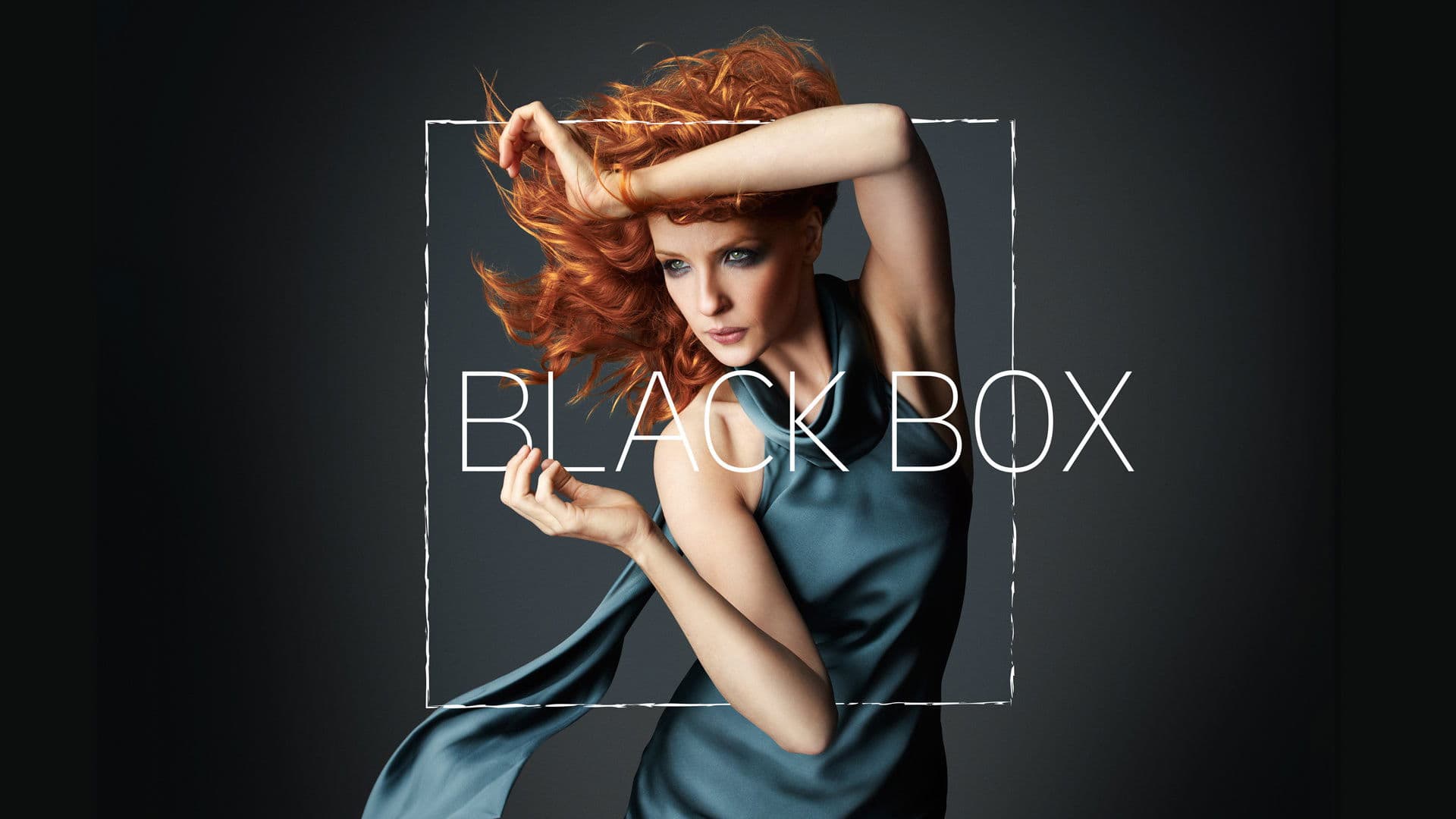
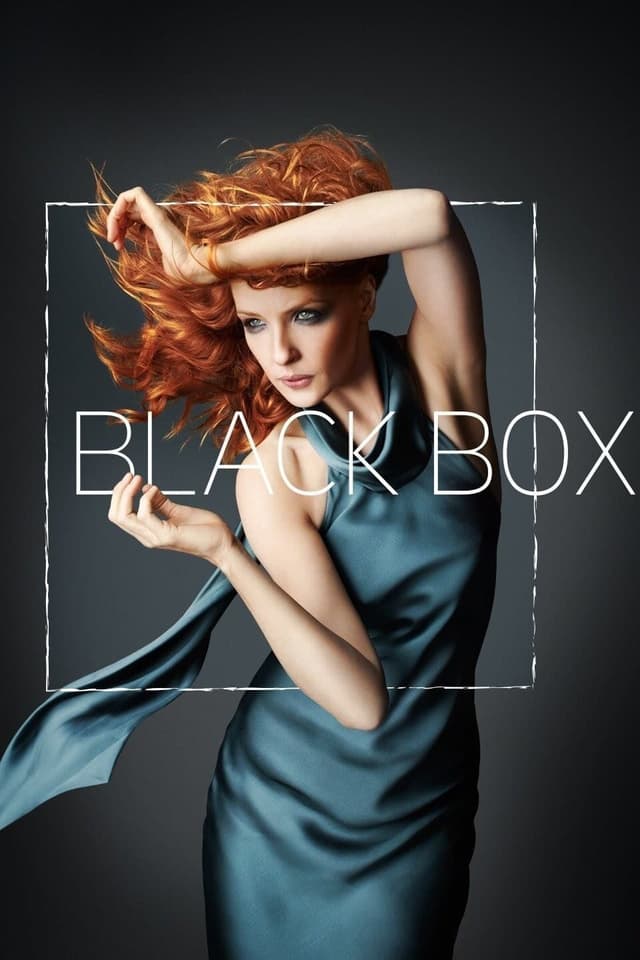
Black Box (2014) follows celebrity neurologist Dr. Catherine Black (Kelly Reilly), the brilliant founder of New York's state-of-the-art neuroscience institute "The Cube," who treats patients suffering from neurological disorders while secretly hiding her own bipolar diagnosis. The ABC thirteen-episode-and-cancelled single-season medical drama created by Amy Holden Jones aired from April through August 2014, anchored by Reilly's lead performance in her first major American television role.
What Is the Budget of Black Box (2014)?
Black Box (2014), the ABC thirteen-episode-and-cancelled single-season medical drama created by Amy Holden Jones, was produced on an estimated per-episode budget of approximately $2,500,000 to $3,500,000 across its summer 2014 broadcast run on the American network. Specific ABC budgets are not publicly disclosed, but the figures align with the network's 2010s broadcast-drama tariff for a non-procedural ensemble series shot on the East Coast. Across thirteen episodes, the cumulative production spend is estimated at approximately $32,000,000 to $45,000,000.
Bold Films and the production company Macondo Films produced the series in-house for ABC, framing it as a star vehicle for Kelly Reilly in her first lead American television role following her work on Yellowstone-predecessor projects and on Calvary (2014). The show was ABC's 2014 summer counterprogramming play, slotted into a thirteen-episode order with the explicit understanding that the series would either earn a back-half-of-season extension or wind down at its initial commitment. ABC did not renew, and the show concluded with episode thirteen on August 6, 2014.
Key Budget Allocation Categories
Black Box's per-episode spend broke down across the cost centres typical of an ABC ensemble medical drama, with several show-specific items reflecting the bipolar-disorder framing:
- Above-the-Line Cast: Kelly Reilly, in her first lead American television role, anchored the ensemble as celebrity neurologist Catherine Black. Vanessa Redgrave (in a recurring guest role), Ditch Davey, Ali Wong, Terry Kinney, Laura Fraser, David Chisum, and David Ajala rounded out the medical-and-personal ensemble at standard ABC drama rates with Reilly and Redgrave commanding premium fees.
- New York Practical Locations: Principal photography took place across New York City, with the show using practical hospital, brownstone, and Manhattan-street locations to anchor "The Cube" (the show's fictional state-of-the-art neuroscience institute) and Catherine's personal world. The New York State Film Tax Credit program offset a meaningful share of production cost.
- Episodic Medical and Practical Effects: Each episode featured episodic neurological case stories requiring medical-prosthetic, surgical-set, and brain-imaging effects work. The recurring practical-effects-and-prosthetic line item was higher than a standard non-medical broadcast drama.
- Bipolar Manic-Episode Production Design: Catherine's manic episodes were rendered through stylised cinematography, music-video-adjacent editing rhythms, and elevated production-design treatments (heightened color, swing-band-and-jazz needle drops, and Manhattan rooftop sequences). The stylised treatment of mental-illness scenes formed a recurring incremental cost above standard medical-drama photography.
- Original Music and Needle Drops: An original score plus heavy licensed-music needle drops (Etta James, Nina Simone, and original jazz cues) anchored the show's sonic identity, particularly in Catherine's manic-episode sequences. Music licensing was a recurring weekly cost.
- Period and Flashback Production: Recurring flashbacks to Catherine's mother's mental-illness history, plus dream and hallucination sequences, required separate dressing, wardrobe, and location work beyond the contemporary New York setting.
- Visual Effects: Brain-imaging visuals, MRI and CT-scan integrations, and limited atmospheric augmentation for hallucination sequences formed the show's recurring VFX line. The vendor mix was modest by network-drama standards but consistent across the thirteen-episode run.
- ABC Delivery Workflow: Picture editing, sound, ADR, and ABC delivery ran through standard network-drama workflows. The show's heavier music-licensing and prosthetic-and-effects load placed it modestly above ABC's baseline drama post tariff.
How Does Black Box's Budget Compare to Similar Series?
At an estimated $2,500,000 to $3,500,000 per episode, Black Box sat in the standard ABC mid-2010s broadcast-drama tier, priced below ABC's flagship Grey's Anatomy and Scandal but in line with the network's contemporaneous summer and mid-season scripted launches. The comparison set illustrates how its production scale stacked up:
- Grey's Anatomy (2005): Estimated per-episode budget approximately $4,500,000 to $6,000,000 in the mid-2010s. ABC's long-running Shondaland medical drama priced roughly 60% to 100% above Black Box, reflecting the gap between a flagship multi-season ABC medical drama and a single-season summer counterprogramming launch.
- Hannibal (2013): Estimated per-episode budget approximately $3,000,000 to $4,000,000. NBC's Bryan Fuller psychological-crime drama priced comparably to Black Box across its three-season run, sharing the broadcast-drama 2010s tariff and a similarly stylised approach to mental-illness storytelling.
- Homeland (2011): Estimated per-episode budget approximately $3,000,000 to $4,500,000. Showtime's Carrie-Mathison-led drama, frequently invoked in reviews as a tonal cousin to Black Box, ran at a comparable premium-cable tariff with stronger ratings and an eight-season run.
- The Knick (2014): Estimated per-episode budget approximately $3,500,000 to $5,000,000. Cinemax's Steven Soderbergh-directed period medical drama, premiering the same summer as Black Box, priced slightly higher and ran two prestige-cable seasons.
- House (2004): Estimated per-episode budget approximately $4,000,000 to $6,000,000 across its eight-season run. Fox's Hugh Laurie-led medical drama, the structural antecedent most frequently invoked in Black Box reviews, priced 50% to 100% higher and ran 177 episodes against Black Box's thirteen.
- Pure Genius (2016): Estimated per-episode budget approximately $2,500,000 to $3,500,000. CBS's technology-and-medicine drama, also cancelled after one season, ran at the same broadcast-drama tariff as Black Box and is the closest single-season network-medical-drama comparator from the mid-2010s.
Black Box Season Performance and Syndication
Black Box premiered on ABC on April 24, 2014 to approximately 6,000,000 viewers and a 1.3 demo rating, a soft but workable opening for an ABC Thursday 10pm timeslot in summer 2014. The economic framework across the run breaks down as follows:
- Per-Episode Budget: approximately $2,500,000 to $3,500,000 across the thirteen-episode single-season order
- Total Series Investment: approximately $32,000,000 to $45,000,000 across thirteen episodes
- Network: ABC in the United States; international ABC Studios and Disney Media Distribution worldwide
- Audience/Ratings: season-one premiere drew approximately 6,000,000 viewers and a 1.3 demo rating; later episodes ran in the 3,500,000 to 4,500,000 range with the demo rating sliding into the 0.7 to 0.9 band by mid-season
- International Distribution: ABC Studios sold the show across European, Latin American, and Asian markets; the show ran on selected international broadcasters and on streaming services in selected territories
- Library/Syndication Value: limited modern streaming distribution; the show was briefly available on Hulu and Netflix in selected territories and has largely faded from the broader American streaming-rerun rotation
ABC declined to renew Black Box for a second season, with the network citing softening ratings across the thirteen-episode run and the lack of a clear path toward a multi-season demo trajectory. The cancellation came in May 2014, before the final episodes had aired; the show concluded with episode thirteen on August 6, 2014.
Kelly Reilly's lead performance was widely highlighted as the strongest element of the show, and her single-season ABC turn served as a calling card for her subsequent Yellowstone (2018) lead casting at Paramount Network. The show's short single-season run has limited its catalogue value, with ABC Studios licensing the series in a small number of international markets rather than maintaining a substantial domestic-rerun presence.
Black Box Production History
Amy Holden Jones (Mystic Pizza, Indecent Proposal) created Black Box for ABC, drawing on her family experience with mental illness to frame the show's central premise: a celebrity neurologist who treats bipolar-disorder patients while secretly hiding her own bipolar diagnosis. Jones pitched the show to Bold Films and ABC in 2012 to 2013 as a stylised mental-illness drama that would render manic-episode sequences with the heightened cinematography and music-video-adjacent editing typically reserved for crime or genre television.
Casting Kelly Reilly as Catherine Black was the show's defining production choice. Reilly's feature credits (Calvary, Flight, Sherlock Holmes) and her stage work made her an unusual choice for an ABC summer-launch drama lead, and the casting drove the show's critical attention. Vanessa Redgrave joined in a recurring role as Catherine's mentor and former mental-health advocate, with Ditch Davey, Ali Wong, Terry Kinney, Laura Fraser, David Chisum, and David Ajala rounding out the ensemble.
Principal photography took place across New York City, with the New York State Film Tax Credit program offering meaningful production cost offset. Practical hospital, Manhattan brownstone, and city-street locations served both the contemporary medical-thriller storyline and the show's recurring manic-episode set pieces. The New York production base served the entire thirteen-episode run.
The show's stylised manic-episode treatment, with heightened color and jazz-and-swing needle drops by Etta James, Nina Simone, and original cues, was a recurring topic in critical reviews. Some reviewers praised the visual ambition; others described it as romanticising mental illness in ways that complicated the show's public-health framing. Mental-health advocacy organisations including the National Alliance on Mental Illness commented on the show's storytelling choices across its summer run.
ABC cancelled the show in May 2014, with episodes nine through thirteen airing through August 6, 2014. The cancellation reflected the standard ABC summer-launch arithmetic of the period: a thirteen-episode order with no automatic extension, soft demo ratings against the network's expectations, and no clear multi-season trajectory. The show stands as a single-season prestige-broadcast experiment from a moment when ABC was repositioning its scripted slate around Shondaland-anchored drama and counterprogramming launches.
Awards and Recognition
Black Box received modest awards recognition across its single-season run. Kelly Reilly's lead performance drew Critics' Choice Television and Satellite Award attention, with multiple year-end summer-television best-performance lists highlighting her work. The show was nominated by the National Alliance on Mental Illness in their mental-illness-storytelling category, with mixed reviews from mental-health advocacy organisations across the run.
The show did not break through to major Emmy or Golden Globe drama recognition, in part because of its summer launch window and single-season run. ABC's 2014 to 2015 broadcast-drama awards conversation was dominated by Scandal and How to Get Away with Murder, both of which absorbed the network's prestige-drama awards positioning during the same window.
Retrospective interest in Black Box has centred largely on Kelly Reilly's performance as a precursor to her later Yellowstone (2018) lead casting at Paramount Network. The show is now most often cited in surveys of mid-2010s mental-illness representation on American broadcast television and in retrospectives of Reilly's American television emergence.
Critical Reception
Black Box received mixed reviews. The show holds a 64% approval rating on Rotten Tomatoes based on approximately 25 critic reviews, with a Metacritic score of 52 out of 100, indicating mixed or average reviews. Critics praised Kelly Reilly's lead performance and the show's ambition in foregrounding bipolar-disorder storytelling on American broadcast television, but objected to the stylised romanticisation of manic-episode sequences and to the soap-opera ensemble plotting around the central premise.
The New York Times's Mike Hale called Reilly "the chief reason to watch a show that otherwise can't decide whether it's a serious drama or a melodrama," while Variety's Brian Lowry wrote that Black Box "delivers a star vehicle for Kelly Reilly that the show itself never quite earns." The Hollywood Reporter's Tim Goodman noted that "the disconnect between Reilly's nuanced central performance and the lurid storytelling around it is the show's defining unresolved tension."
Mental-health critical commentary was divided. Some advocacy outlets praised the show's foregrounding of bipolar disorder on a broadcast network as itself a meaningful storytelling intervention; others objected to the visual romanticisation of manic-episode sequences and to the framing of medication adherence as a recurring dramatic obstacle. The show is most often cited today as a Kelly Reilly showcase, with the central performance widely held to have outpaced the surrounding material.
Frequently Asked Questions
How much did each episode of Black Box (2014) cost to produce?
Estimated per-episode budgets ranged from approximately $2,500,000 to $3,500,000 across the thirteen-episode single-season run on ABC in 2014. Specific ABC budgets are not publicly disclosed, but the figures align with ABC's mid-2010s broadcast-drama tariff for non-procedural ensemble series shot on the East Coast.
How many episodes of Black Box are there?
Black Box ran for one season comprising thirteen episodes on ABC. The series premiered on April 24, 2014 and concluded on August 6, 2014. ABC did not renew the show for a second season.
Who created Black Box (2014)?
Amy Holden Jones, the screenwriter behind Mystic Pizza (1988) and Indecent Proposal (1993), created Black Box for ABC. Jones drew on family experience with mental illness to frame the show's central premise of a celebrity neurologist secretly hiding her own bipolar diagnosis. Ilene Chaiken (The L Word) served as showrunner.
Who plays Dr. Catherine Black in Black Box?
Kelly Reilly plays Dr. Catherine Black, the celebrity neurologist and founder of New York's fictional neuroscience institute "The Cube." Black Box was Reilly's first lead American television role, with her feature credits including Calvary (2014), Flight (2012), and the Sherlock Holmes films. The performance served as a calling card for her subsequent Yellowstone (2018) lead casting.
Where was Black Box filmed?
Principal photography took place across New York City, with practical hospital, Manhattan brownstone, and city-street locations anchoring both "The Cube" institute storyline and Catherine's personal world. The New York State Film Tax Credit program offered meaningful production cost offset.
Why was Black Box cancelled?
ABC cancelled Black Box in May 2014, citing softening ratings across the thirteen-episode run. The season-one premiere drew approximately 6,000,000 viewers and a 1.3 demo rating; later episodes settled in the 3,500,000 to 4,500,000 range with the demo rating sliding into the 0.7 to 0.9 band. The figures fell below ABC's commercial expectations for a Thursday 10pm broadcast-drama timeslot.
Is Black Box about mental illness?
Yes. The show centres on the bipolar disorder diagnosis of lead character Dr. Catherine Black (Kelly Reilly), a celebrity neurologist who treats neurological-disorder patients while secretly hiding her own diagnosis. Mental-health advocacy organisations including the National Alliance on Mental Illness commented on the show's storytelling choices across its run, with critical reception divided over whether the stylised manic-episode sequences served or romanticised the show's mental-illness framing.
How does Black Box compare to House or Grey's Anatomy?
Black Box cost approximately $2,500,000 to $3,500,000 per episode, roughly half of Grey's Anatomy's mid-2010s tariff ($4,500,000 to $6,000,000) and below Fox's House ($4,000,000 to $6,000,000 across its eight-season run). The price gap reflects the difference between a flagship multi-season network medical drama and a single-season summer counterprogramming launch.
Did Kelly Reilly win any awards for Black Box?
Kelly Reilly's lead performance drew Critics' Choice Television and Satellite Award attention but no major Emmy or Golden Globe wins, in part because of the show's summer launch window and single-season run. The performance is now most often cited as a precursor to her later Yellowstone (2018) lead casting at Paramount Network.
Where can I watch Black Box (2014)?
Black Box has limited modern streaming distribution. The show was briefly available on Hulu and Netflix in selected territories and has largely faded from the broader American streaming-rerun rotation. ABC Studios continues to license the series in a small number of international markets; availability varies by territory and rights window.
Filmmakers
Black Box

Official Trailer
Build budgets like this one in Saturation
Start from an industry-standard feature film template, import the schedule and rates you already have, and let the cost report keep itself current as you spend. Real-time collaboration, no spreadsheets.