Batman The Long Halloween, Part One Budget
 AnimationMysteryActionCrime1h 25m
Updated
Synopsis
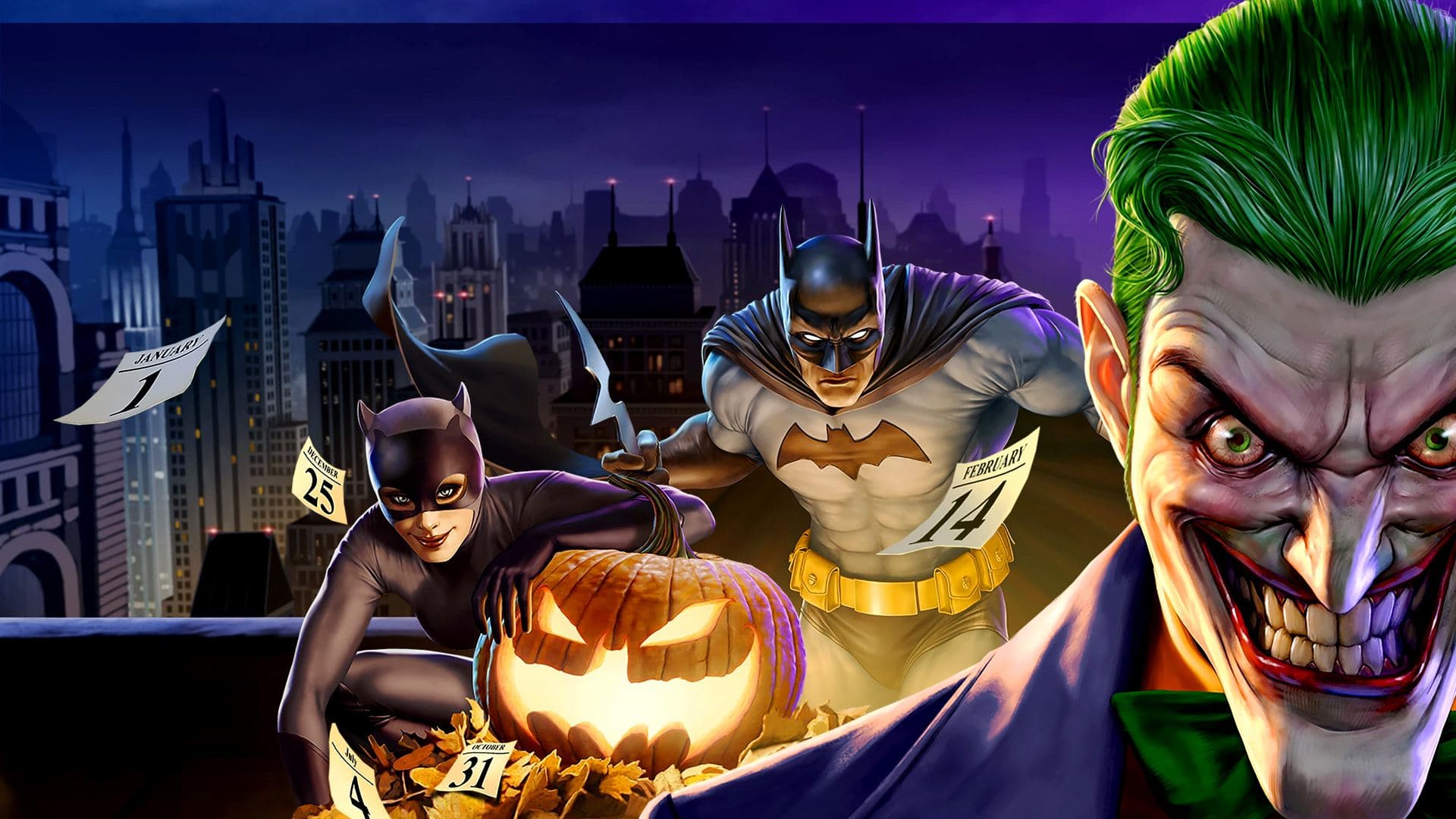
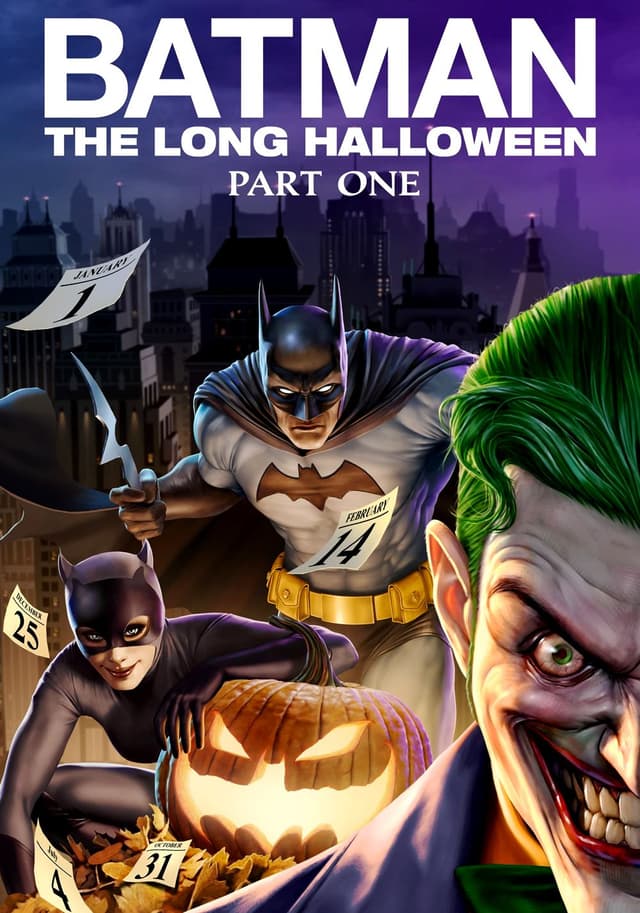
Batman: The Long Halloween, Part One adapts the first half of Jeph Loeb and Tim Sale's celebrated 1996-1997 comic series. In Gotham City, a serial killer known as Holiday begins murdering members of the Falcone crime family on holidays through the year, drawing in Batman, Lieutenant Jim Gordon, and District Attorney Harvey Dent as they search for the killer's identity while the city descends into chaos.
What Is the Budget of Batman: The Long Halloween, Part One (2021)?
Batman: The Long Halloween, Part One (2021), directed by Chris Palmer and produced by Warner Bros. Animation and DC Entertainment, was an animated direct-to-video adaptation of the celebrated 1996-1997 thirteen-issue comic series by writer Jeph Loeb and artist Tim Sale. Warner Bros. Animation has historically kept individual DC animated feature budgets private, but industry estimates place direct-to-video DCAU features of this era in the $3,500,000 to $5,000,000 range, financed entirely by Warner Bros. for global home-video, digital, and HBO Max distribution.
The two-part format (Part One released in June 2021 followed by Part Two in July 2021) reflected Warner Bros. Animation's standard model for adapting longer comic source material. Production was completed at Studio Mir in Seoul, South Korea, the animation house responsible for several recent DCAU titles, with creative supervision from Warner Bros. Animation's Burbank-based development team.
Key Budget Allocation Categories
The Long Halloween Part One's budget was distributed across standard DCAU animated feature cost categories:
- Voice Cast: Jensen Ackles (Supernatural) voiced Batman, with Naya Rivera (Glee, posthumously credited) as Catwoman in one of her final performances, Josh Duhamel as Harvey Dent, Billy Burke as James Gordon, Titus Welliver as Carmine Falcone, and David Dastmalchian as Calendar Man. The cast commanded standard animated feature rates.
- Studio Mir Animation: Seoul-based Studio Mir handled the 2D traditional animation pipeline over approximately eighteen months. The studio's established work on prior DC animated features made it a cost-effective partner relative to U.S. animation houses.
- Adaptation Writing: Screenwriter Tim Sheridan adapted Jeph Loeb's thirteen-issue source material, condensing the murder mystery while preserving Tim Sale's visual touchstones. Adaptation rights to the original comic series were already held by Warner Bros. and DC Entertainment.
- Music: Composer Michael Gatt scored the film with an orchestral noir-inflected approach consistent with the source material's rain-soaked Gotham aesthetic.
- Post-Production: Sound design, mixing, and Blu-ray and 4K UHD home-video mastering were completed for the June 22, 2021 digital release and July 27, 2021 physical release.
- Marketing: Warner Bros. Animation's in-house promotional channels carried the launch, supported by DC FanDome panels and comic-press coverage timed to the source material's 25th anniversary.
How Does The Long Halloween Part One's Budget Compare to Similar Films?
At an estimated $3,500,000 to $5,000,000, The Long Halloween Part One sits in the standard DCAU range:
- Batman: Year One (2011): Budget approximately $3,500,000 | Home-video revenue undisclosed. The earlier Frank Miller adaptation set the template for serious-tone Batman DTV.
- The Dark Knight Returns Part 1 (2012): Budget approximately $3,500,000 | Home-video revenue undisclosed. The split-film format mirror to The Long Halloween across two parts.
- Batman: The Killing Joke (2016): Budget approximately $3,500,000 | Worldwide $4,800,000 (limited theatrical event). The first DCAU title to receive a Fathom Events theatrical engagement.
- Justice League Dark: Apokolips War (2020): Budget approximately $4,500,000 | Home-video revenue undisclosed. The contemporaneous franchise capstone gives the closest comparison.
Batman: The Long Halloween, Part One Box Office Performance
Batman: The Long Halloween, Part One was released as a direct-to-video and digital title, with the digital release on June 22, 2021 followed by 4K UHD Blu-ray, Blu-ray, and DVD physical releases on July 27, 2021. The film did not receive a theatrical engagement and no box office figures were reported.
Box Office Breakdown
Batman The Long Halloween, Part One

Home video reporting from outlets including The Numbers and Media Play News indicated that The Long Halloween, Part One was among the top-selling DCAU titles of 2021, with strong opening-week Blu-ray and 4K UHD sales relative to the slate. HBO Max streaming traffic in the weeks following the digital release contributed further to the title's strategic value, although Warner Media did not publicly disclose streaming numbers.
The two-part release model proved commercially successful, with Part Two released on July 27, 2021 (digital) and August 10, 2021 (physical) and an immediate combined-edition Blu-ray and 4K UHD release following in 2022. The film's success contributed to Warner Bros. Animation's continued commitment to the DC DTV pipeline through 2022 and 2023.
Batman: The Long Halloween, Part One Production History
Development on a Long Halloween adaptation had been in periodic discussion at Warner Bros. Animation since the mid-2000s, with various live-action and animated proposals surfacing alongside Christopher Nolan's The Dark Knight (2008), which drew significant tonal and plot inspiration from the source material. Warner Bros. Animation formally greenlit the two-part animated feature in 2019 for a 2021 release timed to the 25th anniversary of the original comic's 1996 debut.
Tim Sheridan wrote the adaptation, working closely with Jeph Loeb (then serving as a Marvel Television executive) to preserve the structural through-line of the holiday murders while necessarily compressing the thirteen-issue arc into two animated features. Director Chris Palmer (Superman: Red Son) brought a moody, rain-and-shadow visual approach influenced by Tim Sale's painterly comic-book originals.
Studio Mir in Seoul handled the animation pipeline across approximately eighteen months, with character designs adapted from Sale's comic art into an animation-friendly model sheet. Production wrapped in early 2021. Tragically, voice actress Naya Rivera died in July 2020 before completing the film's recording sessions, and Catwoman's remaining dialogue was completed using Rivera's prior recordings and editorial work. The film is dedicated to her memory in its closing credits.
Awards and Recognition
Batman: The Long Halloween, Part One received nominations at the 2022 Daytime Emmy Awards and at industry-specific animation awards. The film was nominated for the Behind the Voice Actors Award for Best Vocal Ensemble in a Direct-to-Video Feature for the 2021 cycle, and Jensen Ackles received recognition for his performance as Batman.
The film was not eligible for the Annie Awards (which require theatrical release for most categories) and did not feature in the Academy Awards conversation as a direct-to-video animated title. The film's industry recognition focused on its fidelity to the source material and on Naya Rivera's posthumously honored Catwoman performance, which several critics cited as among her finest voice acting work.
Critical Reception
Batman: The Long Halloween, Part One received broadly positive reviews. The film holds an 86% approval rating on Rotten Tomatoes based on 22 critic reviews. Metacritic did not aggregate enough reviews for a formal score. The film does not carry a CinemaScore grade because it bypassed theatrical release.
Critics broadly praised the faithful adaptation of Jeph Loeb and Tim Sale's source material, Jensen Ackles' performance as Batman, and the noir-inflected score by Michael Gatt. IGN's reviewer wrote that "the adaptation preserves the slow-burn mystery and noir aesthetic that made the comic a classic, even if the two-part structure asks viewers to wait for full resolution." ComicBook.com called it "the best DC animated feature in years."
A minority of reviewers, including The A.V. Club, found the compression of the source material left the supporting cast under-developed, but acknowledged the strength of the central mystery and the closing-act cliffhanger that set up Part Two. The film's reception cemented its status as a standout entry in the DCAU canon and contributed to Warner Bros. Animation's continued investment in long-form comic adaptations.
Frequently Asked Questions
How much did Batman: The Long Halloween, Part One cost to make?
Warner Bros. Animation did not publicly disclose the production budget. Industry estimates place the cost of direct-to-video DCAU features of this era in the $3,500,000 to $5,000,000 range, financed entirely by Warner Bros. for global home-video, digital, and HBO Max distribution.
How much did Batman: The Long Halloween, Part One earn at the box office?
The film was released directly to home video and digital with no theatrical engagement. No box office figures were reported. Home video reporting indicated strong opening-week Blu-ray and 4K UHD sales, but Warner Bros. Animation does not publicly disclose unit sales figures.
Who directed Batman: The Long Halloween, Part One?
Chris Palmer directed the film. Palmer previously directed Superman: Red Son (2020) and worked extensively on Warner Bros. Animation's DC features as a storyboard artist and director.
Is The Long Halloween a true story?
No. The film is an animated adaptation of the 1996-1997 thirteen-issue Batman comic series written by Jeph Loeb and illustrated by Tim Sale. The story is set within DC Comics' fictional Gotham City and is part of the broader Batman mythology.
Why is The Long Halloween split into two parts?
Warner Bros. Animation split the thirteen-issue comic series into a two-part animated feature to preserve the narrative scope of the source material. Part One released June 22, 2021 and Part Two released July 27, 2021. A combined Deluxe Edition was later released in 2022.
Did Batman: The Long Halloween, Part One win any awards?
The film received nominations at the 2022 Daytime Emmy Awards and industry-specific animation awards. The film was nominated for the Behind the Voice Actors Award for Best Vocal Ensemble in a Direct-to-Video Feature, but did not win major industry honors. The film was not eligible for the Annie Awards or Academy Awards as a direct-to-video release.
What did critics think of Batman: The Long Halloween, Part One?
The film received broadly positive reviews with an 86% approval rating on Rotten Tomatoes based on 22 critic reviews. Critics praised the faithful adaptation of Jeph Loeb and Tim Sale's source material and Jensen Ackles' performance as Batman. ComicBook.com called it "the best DC animated feature in years."
Who voices Batman in The Long Halloween?
Jensen Ackles, best known for the long-running CW series Supernatural, voices Bruce Wayne and Batman. Ackles brought a younger, more measured Batman voice than the iconic Kevin Conroy performance, in keeping with the source material's early-career Batman setting.
Is this Naya Rivera's final performance?
Yes. Voice actress Naya Rivera (Glee) recorded the Catwoman dialogue before her death in July 2020. Some of her remaining lines were assembled from prior recordings to complete the film. The Long Halloween, Part One is dedicated to her memory in its closing credits and represents one of her final performances.
When was Batman: The Long Halloween, Part One released?
The film was released digitally on June 22, 2021 and on 4K UHD Blu-ray, Blu-ray, and DVD physical formats on July 27, 2021. Part Two followed shortly thereafter with a digital release on July 27, 2021 and physical release on August 10, 2021.
Filmmakers
Batman The Long Halloween, Part One

Official Trailer
Build budgets like this one in Saturation
Start from an industry-standard feature film template, import the schedule and rates you already have, and let the cost report keep itself current as you spend. Real-time collaboration, no spreadsheets.