Astérix aux Jeux Olympiques Budget
Updated
Synopsis
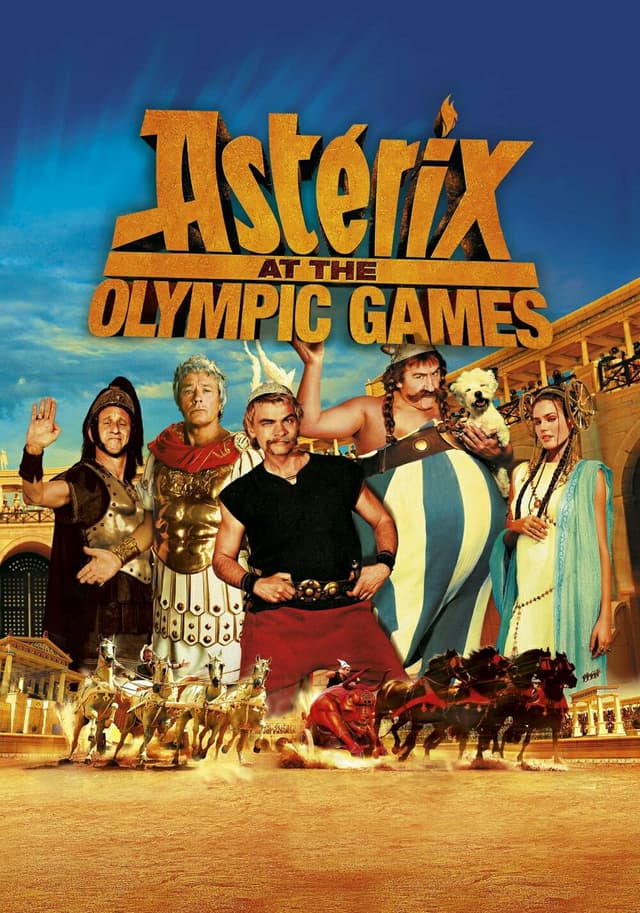
When Brutus, the scheming adopted son of Julius Caesar, tries to win the heart of Princess Irina of Greece by triumphing at the Olympic Games, the smitten young Gaul Alafolix and his friends Astérix and Obélix travel to Olympia to compete for the same prize. The chaotic Roman, Gaulish, and Greek rivalry erupts into an extravagant comic tournament.
What Is the Budget of Astérix aux Jeux Olympiques (2008)?
Astérix aux Jeux Olympiques (Astérix at the Olympic Games, 2008), directed by Frédéric Forestier and Thomas Langmann, was produced on a reported budget of €78,000,000 (approximately $97,300,000 in 2007-2008 exchange terms), making it the most expensive French film ever made at the time of its release. The film was financed by Pathé, La Petite Reine, Tri-Pictures, Constantin Film, TF1 Films Production, and a consortium of European partners as the third live-action installment in the Astérix and Obélix film franchise.
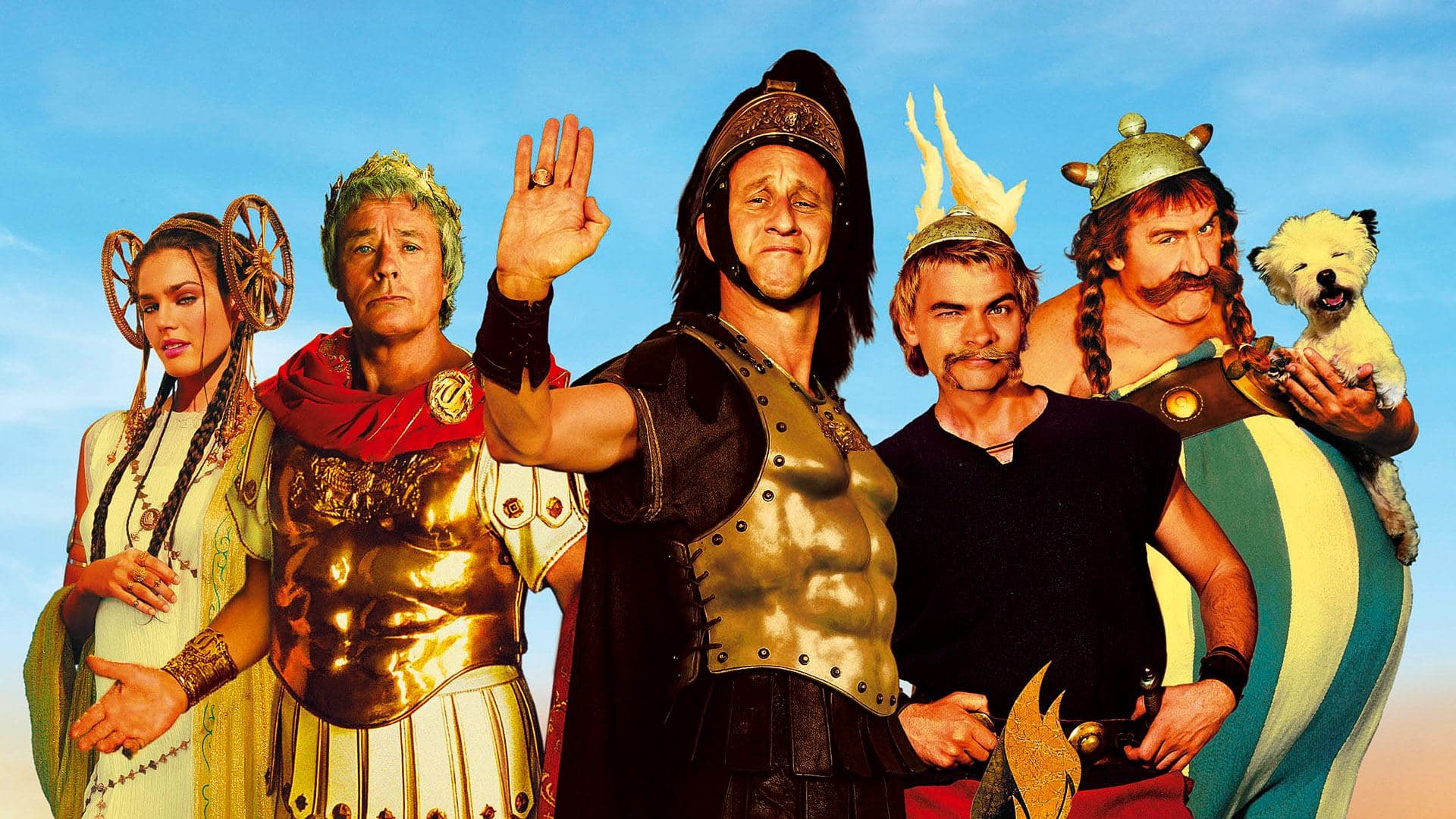
The budget reflected the calculated commercial bet of Thomas Langmann, who served as both producer and co-director, that an A-list French and international cast combined with a Beijing 2008 Olympic Games tie-in could deliver a franchise-leading box office result. Langmann assembled an unusually star-heavy ensemble including Gérard Depardieu (returning as Obélix), Clovis Cornillac (taking over as Astérix from Christian Clavier), Alain Delon as Julius Caesar, Benoît Poelvoorde as Brutus, French footballer Zinédine Zidane, Formula One champion Michael Schumacher, basketball star Tony Parker, and English supermodel Adriana Karembeu, with each celebrity cameo commanding fees that pushed the budget to its record-breaking total.
Key Budget Allocation Categories
The reported €78,000,000 budget for Astérix aux Jeux Olympiques was distributed across several core production areas:
- Above-the-Line Talent: The unusually star-heavy cast was the largest single budget driver. Gérard Depardieu, Clovis Cornillac, Alain Delon, Benoît Poelvoorde, Stéphane Rousseau, and Vanessa Hessler led the principal performers, with cameo appearances from Zinédine Zidane, Michael Schumacher, Tony Parker, Adriana Karembeu, NBA player Amélie Mauresmo, and others. Each celebrity cameo represented a meaningful fee on top of the substantial principal-cast quotes.
- Spain and Morocco Production: Principal photography took place across Spanish locations including Almería's desert and Tabernas studio infrastructure, plus Moroccan exteriors. The international shoot involved location permits, lodging, travel, and local crew costs across multiple countries. The Olympic stadium sets, the Roman and Greek city builds, and the chariot-race coverage were extensive practical constructions.
- Visual Effects: The film required extensive VFX work for the magic-potion sequences, the chariot races, environment compositing for the Olympic stadium, and various comic-book-driven visual gags. The VFX work distributed across multiple European vendor houses represented one of the largest line items in the production.
- Costume and Production Design: Production designer Aline Bonetto and costume designer Catherine Leterrier delivered hundreds of Olympic-era period costumes, Roman and Gallic armor builds, and the elaborate Greek temple and stadium sets. The historical-fantasy costume scale exceeded standard period-film production levels.
- Score and Music: Composer Frédéric Talgorn delivered the score, with the music budget covering original composition and orchestra recording. Soundtrack tie-ins with French popular musicians provided promotional support during the marketing campaign.
- Marketing Buildout: Pathé's marketing investment was substantial relative to the European theatrical pattern, with the campaign positioning the film as the Beijing 2008 Olympic-Games-year French family tentpole. Promotional tie-ins, outdoor placements, and television campaigns across France, Germany, Spain, Italy, and other European territories absorbed major above-budget marketing spend.
How Does Astérix aux Jeux Olympiques's Budget Compare to Similar Films?
At €78,000,000 (approximately $97,300,000), Astérix aux Jeux Olympiques was the most expensive French film of its era and sits in the upper-mid range of major European tentpole productions. The comparison set illustrates the budgetary tier:
- Astérix & Obélix vs Caesar (1999): Budget approximately $48,200,000 | Worldwide approximately $111,200,000. The first live-action franchise installment cost roughly half what Astérix aux Jeux Olympiques spent and earned a significantly stronger ROI.
- Astérix & Obélix: Mission Cleopatra (2002): Budget approximately $58,400,000 | Worldwide approximately $151,000,000. The second franchise installment cost 60 percent of Astérix aux Jeux Olympiques and earned roughly 50 percent more worldwide, making it the franchise commercial peak.
- The Intouchables (2011): Budget approximately $13,000,000 | Worldwide approximately $426,600,000. The contemporaneous French breakout demonstrates the contrasting low-budget high-return French commercial-cinema strategy.
- Astérix & Obélix: God Save Britannia (2012): Budget approximately $61,000,000 | Worldwide approximately $73,400,000. The subsequent franchise installment cost less than Astérix aux Jeux Olympiques and underperformed slightly worldwide, contributing to the franchise's commercial deceleration.
Astérix aux Jeux Olympiques Box Office Performance
Astérix aux Jeux Olympiques opened across France on January 30, 2008 to an opening-week gross of approximately €15,000,000 (roughly $19,000,000), one of the largest French opening weeks on record at the time. The film ultimately grossed approximately $132,800,000 worldwide. Here is the financial breakdown:
Box Office Breakdown
Astérix aux Jeux Olympiques

Astérix aux Jeux Olympiques returned approximately $0.90 to $0.97 in worldwide gross for every $1 invested when measured against total estimated production and marketing spend, marking it a theatrical disappointment relative to its record-breaking budget. The French share was approximately 50 percent of the worldwide gross, with the remainder coming from Germany, Spain, Italy, Belgium, and other European territories. Limited Asian and U.S. distribution failed to materialize despite the Beijing 2008 Olympic Games tie-in marketing.
The disappointing return relative to the unprecedented budget contributed to a recalibration of the Astérix and Obélix live-action franchise economics. The subsequent Astérix & Obélix: God Save Britannia (2012) operated on a smaller €40 million budget but also underperformed expectations, leading to the 2023 Astérix & Obélix: The Middle Kingdom returning at €70 million but again underperforming. The 2008 release is widely cited as the high-water mark of French live-action mega-budget filmmaking.
Astérix aux Jeux Olympiques Production History
Development began at La Petite Reine, the production company of Thomas Langmann (son of legendary French producer Claude Berri), in 2005. Langmann had acquired franchise rights from Goscinny and Uderzo and assembled a co-production financing structure across Pathé, Tri-Pictures, Constantin Film, TF1 Films Production, and other European partners.
Langmann engaged Frédéric Forestier to co-direct, with Langmann himself sharing the directing credit and taking primary producer responsibility. Casting Clovis Cornillac to replace Christian Clavier as Astérix in mid-2006 was a major franchise change, with Gérard Depardieu retained as Obélix. Alain Delon's casting as Julius Caesar in late 2006 added a major French screen icon to the ensemble, with Belgian comedian Benoît Poelvoorde joining as antagonist Brutus.
Principal photography ran from spring through autumn 2007 across Spain (with Almería and Tabernas anchoring the desert and stadium sequences), Morocco, and additional French studio work. The international shoot involved a crew of more than 700 personnel and an unusually long schedule for a French commercial release. Post-production through late 2007 included extensive VFX work distributed across multiple European vendor houses.
Pathé positioned the January 30, 2008 release as the French family tentpole of the Beijing 2008 Olympic Games year, with a marketing campaign emphasizing the celebrity sports-figure cameos and the Olympic Games tie-in. The unprecedented €78 million budget was widely reported in French press throughout development and production, generating both anticipation and skepticism that contributed to the mixed critical reception on release.
Awards and Recognition
Astérix aux Jeux Olympiques received limited awards recognition. The film was nominated for two Razzie-equivalent awards at the Gérard du Cinéma, the French satirical awards. It also received nominations at the Romy Schneider Awards and various French regional film festivals.
The film received no César Award nominations and was excluded from the major French industry honors. Internationally, it received no Academy Award, BAFTA, or major European craft attention. The legacy within awards conversation has been minimal, consistent with the film's mixed-to-negative critical reception and franchise-tier commercial positioning.
Critical Reception
Astérix aux Jeux Olympiques received mixed-to-negative reviews. The film holds a 16% approval rating on Rotten Tomatoes based on a limited international reviewer pool, with French critics widely flagging the excess star cameos, the inflated budget, and the loss of comic energy compared with the previous Astérix & Obélix: Mission Cleopatra (2002) installment. On Metacritic, the film scored 31 out of 100 based on its limited international reviews, indicating generally unfavorable reception.
French critical reception was particularly harsh. Le Monde called the film "an industrial product that crushes its source comics under the weight of its budget," and Cahiers du cinéma wrote that "the Astérix and Obélix world has become a brand-management exercise rather than a comedic creation." Critics widely praised production designer Aline Bonetto's elaborate sets and the technical scale of the chariot-race sequences but objected to the script's reliance on celebrity cameo gags rather than character-driven humor.
International reviews on the film's limited overseas release were similarly mixed, with English-language press positioning the film as an unfamiliar French commercial release whose celebrity references would not register outside France. Defenders of the film highlighted Clovis Cornillac's commitment to the Astérix role and Benoît Poelvoorde's scene-stealing comic performance as Brutus. The mixed reception and the budget-versus-gross disappointment combined to position Astérix aux Jeux Olympiques as a frequently cited example of French commercial-cinema overreach in the late 2000s.
Frequently Asked Questions
How much did it cost to make Astérix aux Jeux Olympiques (2008)?
The reported production budget was €78,000,000 (approximately $97,300,000 in 2007-2008 exchange terms), making it the most expensive French film ever made at the time of its release. The budget was financed by Pathé, La Petite Reine, Tri-Pictures, Constantin Film, TF1 Films Production, and a consortium of European partners.
How much did Astérix aux Jeux Olympiques earn at the box office?
The film grossed approximately $132,800,000 worldwide, with approximately half coming from France and the remainder from Germany, Spain, Italy, Belgium, and other European territories. It opened in France on January 30, 2008 to approximately €15,000,000 (roughly $19,000,000) in its first week.
Who directed Astérix aux Jeux Olympiques?
Frédéric Forestier and Thomas Langmann co-directed the film, with Langmann also serving as producer through his La Petite Reine company. Langmann is the son of legendary French producer Claude Berri and later won the Academy Award for Best Picture for producing The Artist (2011).
Who stars in Astérix aux Jeux Olympiques?
Clovis Cornillac stars as Astérix (replacing Christian Clavier from the previous films) and Gérard Depardieu returns as Obélix. Alain Delon plays Julius Caesar, Benoît Poelvoorde plays Brutus, and the cast includes celebrity cameos from Zinédine Zidane, Michael Schumacher, Tony Parker, Amélie Mauresmo, and Adriana Karembeu.
Was Astérix aux Jeux Olympiques a box office success?
No, by ROI metrics. Against the $97,300,000 production budget and an estimated $40,000,000 to $50,000,000 marketing spend, the film returned approximately $0.90 to $0.97 in worldwide gross for every $1 invested. It was a theatrical disappointment relative to its record-breaking budget.
Where was Astérix aux Jeux Olympiques filmed?
Principal photography ran from spring through autumn 2007 across Spain (with Almería and Tabernas anchoring the desert and stadium sequences), Morocco, and additional French studio work. The international shoot involved a crew of more than 700 personnel and an unusually long schedule for a French commercial release.
What is Astérix aux Jeux Olympiques based on?
The film adapts the 1968 comic book Astérix aux Jeux Olympiques (Astérix at the Olympic Games) by René Goscinny and Albert Uderzo, one of the most popular volumes in the Astérix series. The screenplay by Olivier Dazat, Alexandre Charlot, Franck Magnier, and Thomas Langmann expanded the comic's plot with additional celebrity cameo sequences.
Why was the budget so high for Astérix aux Jeux Olympiques?
The unusually star-heavy cast was the largest single budget driver, with cameos from Zinédine Zidane, Michael Schumacher, Tony Parker, and other celebrities each commanding meaningful fees on top of the substantial principal-cast quotes. Extensive VFX work, elaborate practical sets, and a long international shoot pushed the budget to its record-breaking total.
What did critics think of Astérix aux Jeux Olympiques?
Critics gave the film mixed-to-negative reviews, with a 16% approval rating on Rotten Tomatoes and a 31 out of 100 on Metacritic based on its limited international reviewer pool. French critics widely flagged the excess star cameos, the inflated budget, and the loss of comic energy compared with the previous Astérix & Obélix: Mission Cleopatra (2002).
Was Astérix aux Jeux Olympiques the last Astérix film?
No. The franchise continued with Astérix & Obélix: God Save Britannia (2012) and Astérix & Obélix: The Middle Kingdom (2023). However, the disappointing return of Astérix aux Jeux Olympiques contributed to a recalibration of the franchise economics, with subsequent installments operating on smaller budgets but also underperforming expectations.
Filmmakers
Astérix aux Jeux Olympiques

Build budgets like this one in Saturation
Start from an industry-standard feature film template, import the schedule and rates you already have, and let the cost report keep itself current as you spend. Real-time collaboration, no spreadsheets.