Argo Budget
 DramaThriller2h
Updated
Synopsis
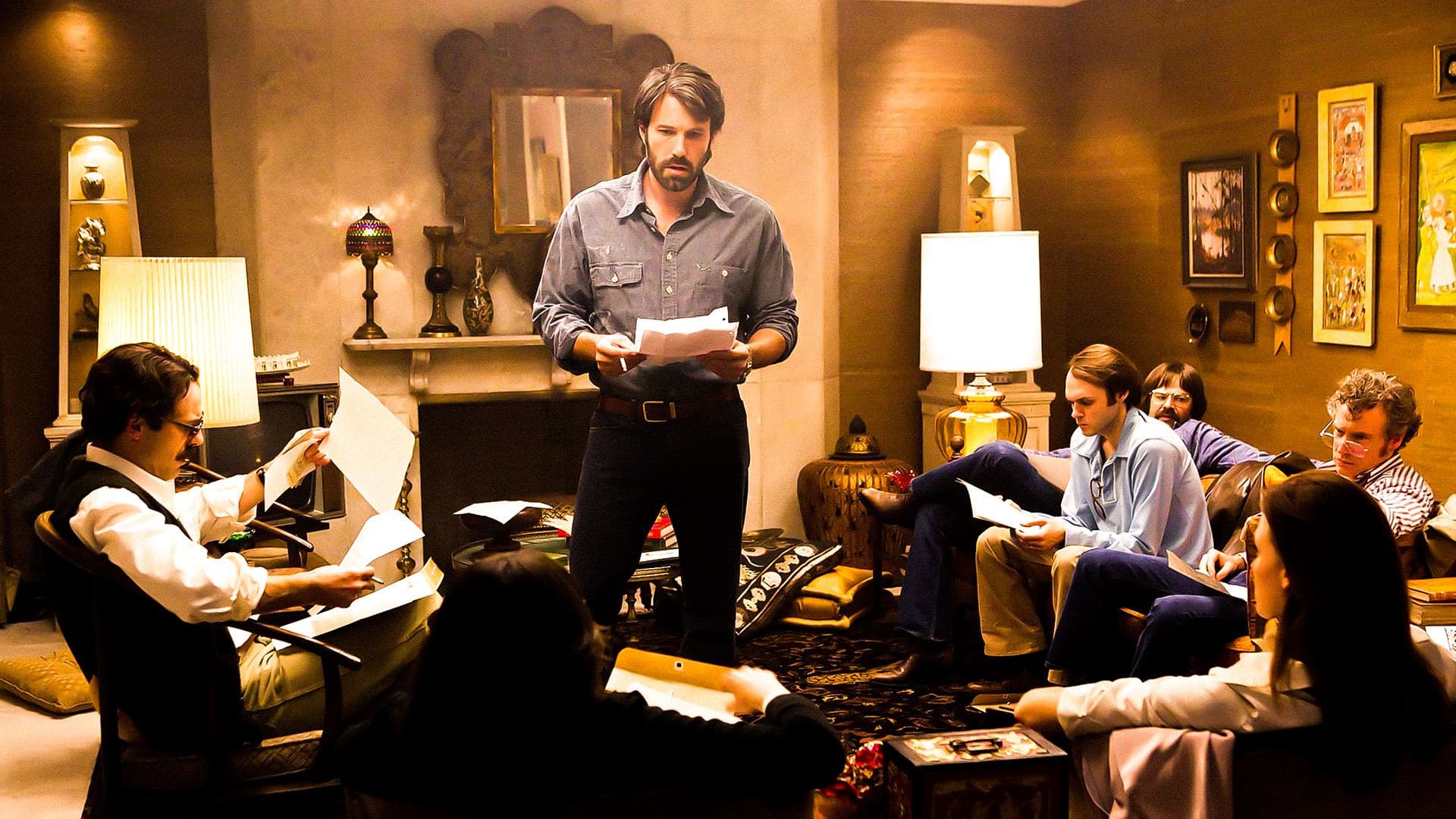
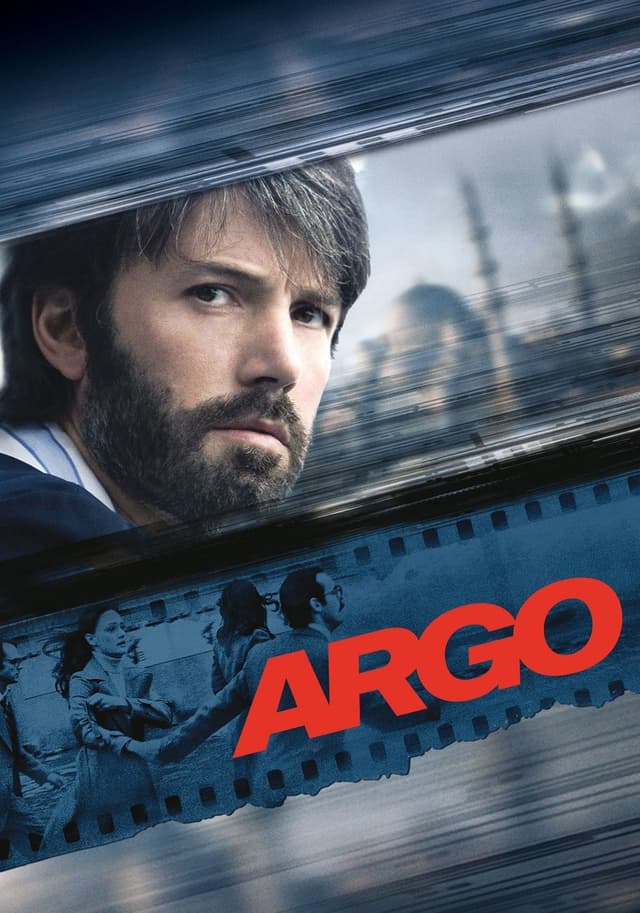
On November 4, 1979, as the Iranian revolution reaches its boiling point, militants storm the U.S. embassy in Tehran, taking 52 Americans hostage. But, in the midst of the chaos, six Americans manage to slip away and find refuge in the home of the Canadian ambassador. Knowing it is only a matter of time before the six are found out and likely killed, a CIA “exfiltration” specialist named Tony Mendez comes up with a risky plan to get them safely out of the country. A plan so incredible, it could only happen in the movies.
What is the budget of Argo?
"Argo," a drama released in 2012, was directed by Ben Affleck and stars Ben Affleck, Bryan Cranston. The production budget was $44,500,000, placing it in the mid-budget range for drama productions of its era.
Key Budget Allocation Categories
While specific budget breakdowns are not publicly available, typical cost drivers for a drama production like this include:
- Above-the-Line Talent: Drama films live or die on the strength of their performances.
- Location Filming & Period Production Design: Authentic locations , whether contemporary or historical , require scouting, permits, travel, lodging, and often significant dressing to match the story's time period.
- Post-Production, Color Grading & Score: The editorial process for dramas is typically longer than genre films, with careful attention to pacing and tone.
- Development: Argo is based on the "Canadian Caper" that took place during the Iran hostage crisis in 1979 and 1980.
What were the major cost factors in Argo?
Several factors contributed to the overall production costs of "Argo."
- Above-the-Line Talent: Above-the-Line Talent is one of the primary cost drivers in drama productions of this scale.
- Location Filming: Location Filming & Period Production Design is one of the primary cost drivers in drama productions of this scale.
- Post-Production: Post-Production, Color Grading & Score is one of the primary cost drivers in drama productions of this scale.
How Does Argo's Budget Compare to Similar Films?
At $44,500,000, Argo sits in the mid-budget range. Here is how it compares to productions with a similar budget:
- 65 (2023): Budget $45,000,000, Worldwide Gross $60,730,568
- Across the Universe (2007): Budget $45,000,000, Worldwide Gross $29,625,761
- Aliens in the Attic (2009): Budget $45,000,000, Worldwide Gross $57,881,056
- 28 Days (2000): Budget $43,000,000, Worldwide Gross $62,198,945
- A Monster Calls (2016): Budget $43,000,000, Worldwide Gross $47,309,313
The median budget for wide-release drama films in the 2010s ranges from $30 to 80M for mid-budget to $150M+ for tentpoles.
Argo Box Office Performance
"Argo" earned $136,025,503 domestically and $232,300,000 worldwide at the box office. Against a production budget of $44,500,000, the film performed strongly at the box office.
A film typically needs to earn approximately twice its production budget to cover marketing and distribution costs. For "Argo," that break-even threshold was roughly $89,000,000. With worldwide earnings of $232,300,000, the film cleared that threshold comfortably.
Box Office Breakdown
Argo

At 422%, "Argo" earned roughly $5.22 for every $1 invested in production.
Argo Production History
Argo is based on the "Canadian Caper" that took place during the Iran hostage crisis in 1979 and 1980. Chris Terrio wrote the screenplay based on Joshuah Bearman's 2007 article "How the CIA Used a Fake Sci-Fi Flick to Rescue Americans from Tehran," which was published in Wired. Affleck mentioned the influences for the film, which include Costa-Gavras's work, All the President's Men, The Killing of a Chinese Bookie, and The Battle of Algiers which served as references.
After the rest of the roles were cast, filming began in Los Angeles in August 2011. Additional filming took place in McLean, Virginia; Washington, D.C.; and Istanbul. The scene in which Mendez drives up to and walks into the CIA headquarters lobby was filmed with permission at the CIA's original headquarters building in Virginia; all other scenes set at the CIA were filmed in the basement of the Los Angeles Times Building.
Awards and Recognition
Won 3 Oscars. 96 wins & 156 nominations total
- BAFTA Award for Best Film: Ben Affleck
- Dorian Award for Film of the Year
- Academy Award for Best Picture: George Clooney (85th Academy Awards)
- Academy Award for Best Picture: Ben Affleck (85th Academy Awards)
- Academy Award for Best Picture: Grant Heslov (85th Academy Awards)
- Academy Award for Best Film Editing: William Goldenberg (85th Academy Awards)
- National Board of Review: Top Ten Films
- César Award for Best Foreign Film
Critical Reception
Audiences polled by CinemaScore gave the film an average grade of "A+" on an A+ to F scale.
Frequently Asked Questions
How much did Argo (2012) cost to make?
The production budget was $44,500,000. Warner Bros. financed the thriller alongside GK Films and Smokehouse Pictures, the production company founded by George Clooney and Grant Heslov, who produced with Ben Affleck.
How much did Argo earn at the box office?
Argo grossed $136,025,503 domestically and $96,300,000 internationally, for a worldwide total of approximately $232,300,000. It opened to $19,458,000 on October 12, 2012, finishing second behind Taken 2.
Did Argo win Best Picture?
Yes. Argo won the Academy Award for Best Picture at the 85th Academy Awards on February 24, 2013. The film also won Best Adapted Screenplay for Chris Terrio and Best Film Editing for William Goldenberg. Ben Affleck was not nominated for Best Director, one of the most discussed Academy snubs of the decade.
Is Argo based on a true story?
Yes. The film dramatizes the Canadian Caper, the 1980 covert operation by CIA officer Tony Mendez and the Canadian embassy in Tehran to extract six American diplomats who had escaped the U.S. embassy during the Iranian hostage crisis. The fake science fiction film cover, Argo, was a real CIA cover identity.
Who directed Argo?
Ben Affleck directed the film, his third feature after Gone Baby Gone (2007) and The Town (2010). Argo cemented Affleck's reputation as a major directorial talent and led directly to his casting as Batman in the DC Extended Universe.
Where was Argo filmed?
Principal photography took place in Los Angeles, Washington D.C., and Istanbul, Turkey, which doubled for 1980 Tehran. The production was unable to film in Iran for political reasons, and Istanbul provided the closest architectural match for revolutionary-era Tehran.
What did critics think of Argo?
The film received widely positive reviews, with a 96% approval rating on Rotten Tomatoes and a 86 out of 100 score on Metacritic. Critics praised the tension of the third-act airport sequence, Affleck's direction, and Alan Arkin and John Goodman's comic relief performances as the Hollywood collaborators.
How accurate is Argo to the real events?
The film took notable liberties for dramatic effect. The Canadian role in the rescue was substantially understated, drawing public criticism from former Canadian Ambassador Ken Taylor and Prime Minister Jean Chretien. The climactic airport chase scene was fabricated entirely, as the real exit through Mehrabad Airport was tense but uneventful.
Was Argo profitable?
Yes. Against the $44,500,000 production budget and an estimated $35,000,000 in marketing spend, the worldwide gross of $232,300,000 produced a substantial theatrical profit. Strong awards-season home video sales and cable broadcast revenue extended profitability significantly.
How does Argo compare to other Ben Affleck directed films?
Argo surpassed Affleck's previous directorial efforts Gone Baby Gone (2007, $19,000,000 budget, $34,600,000 worldwide) and The Town (2010, $37,000,000 budget, $154,000,000 worldwide). His subsequent directorial effort Live by Night (2016, $65,000,000 budget, $22,800,000 worldwide) underperformed by comparison.
Official Trailer
Build budgets like this one in Saturation
Start from an industry-standard feature film template, import the schedule and rates you already have, and let the cost report keep itself current as you spend. Real-time collaboration, no spreadsheets.