Apollo 10½ A Space Age Childhood Budget
 AnimationComedyDrama1h 37m
Updated
Synopsis
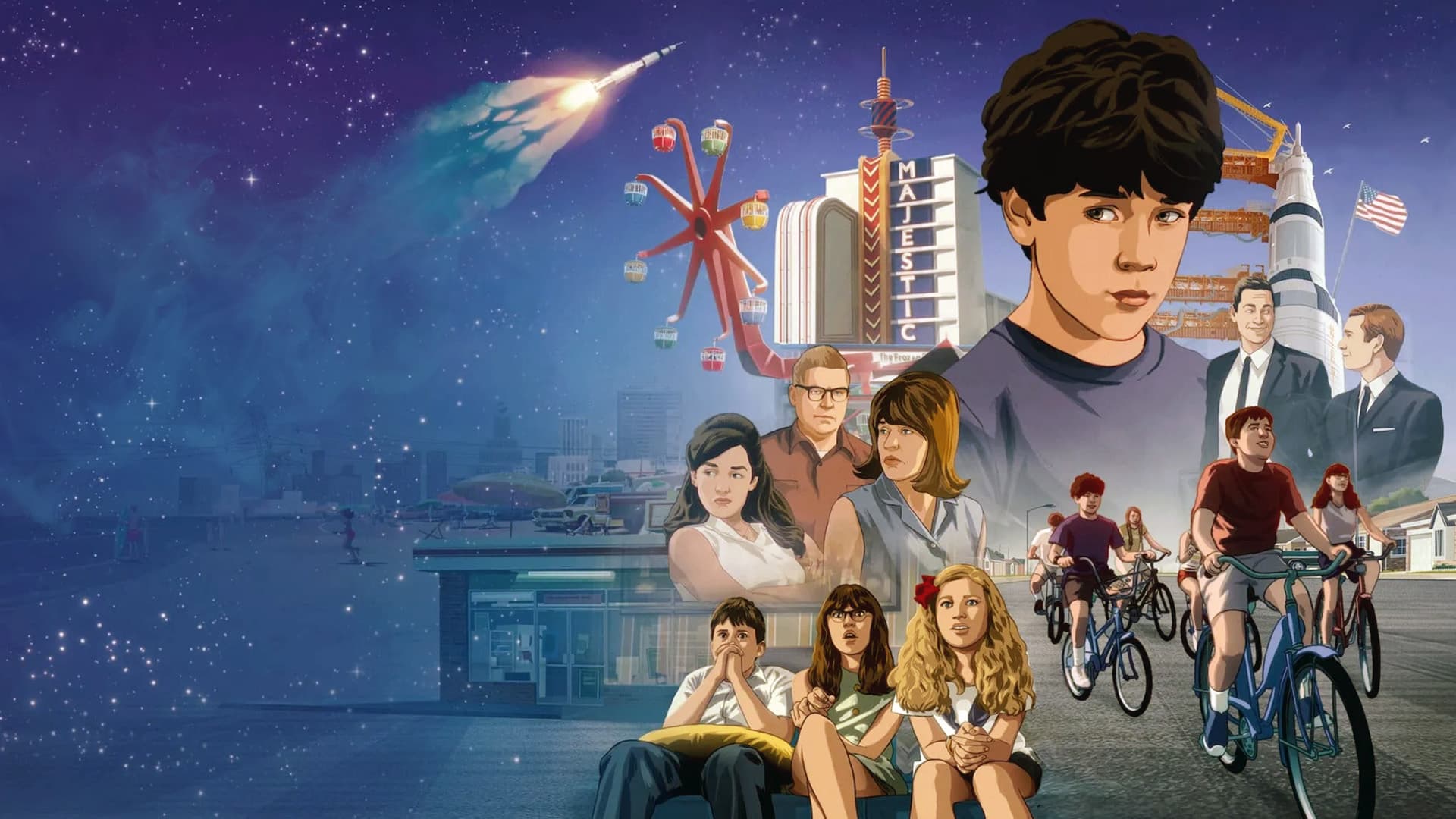
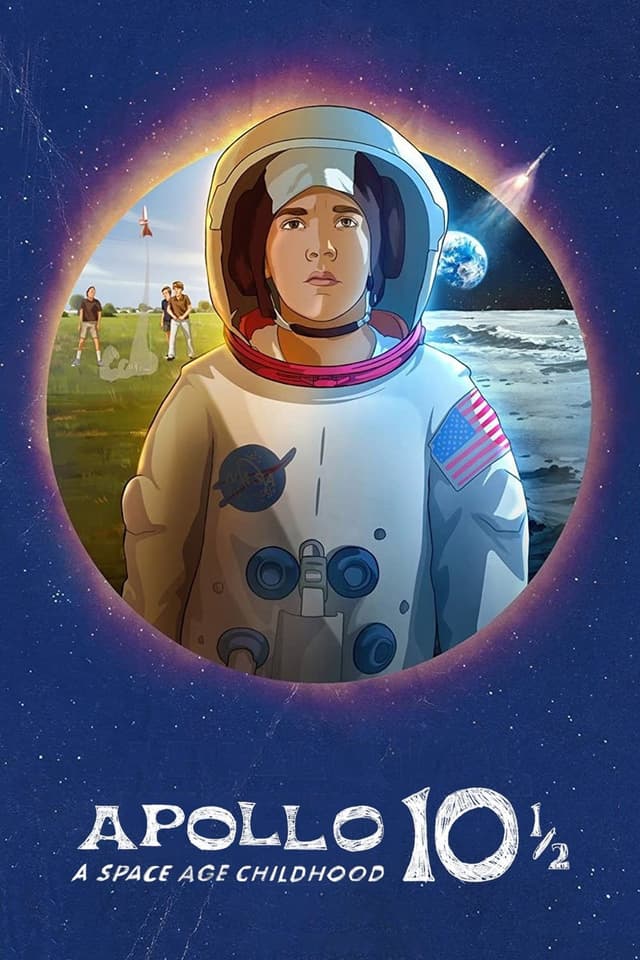
Apollo 10½: A Space Age Childhood is a rotoscoped memoir of growing up in 1960s suburban Houston, Texas, as NASA prepared for the Apollo 11 moon landing. The film alternates between a richly detailed evocation of late-1960s American childhood and a fanciful narrative in which a fourth-grade boy named Stanley is secretly recruited by NASA to test a lunar module accidentally built too small for adult astronauts.
What Is the Budget of Apollo 10½: A Space Age Childhood (2022)?
Apollo 10½: A Space Age Childhood (2022), directed by Richard Linklater and distributed by Netflix, was produced on a reported budget of approximately $30,000,000, financed by Netflix as part of its multi-film deal with Linklater's Detour Filmproduction. The film was Linklater's third rotoscoped feature, following Waking Life (2001) and A Scanner Darkly (2006), and the budget reflected the unique demands of an animation pipeline executed over five years and across multiple animation houses.
Minnow Mountain in Austin, Texas, the animation studio founded by Tommy Pallotta and Bob Sabiston, served as the lead animation house, with Submarine in Amsterdam contributing to the final pipeline. The rotoscope process began with a fifteen-day live-action shoot in Houston in summer 2020, after which approximately two hundred animators traced over the live-action plates frame by frame to produce the finished hybrid style.
Key Budget Allocation Categories
Apollo 10½'s budget was distributed across several Linklater-specific cost categories:
- Live-Action Photography: A fifteen-day shoot in Houston, Texas in July 2020 captured the live-action plates that the animation pipeline would later trace over. Cinematographer Shane F. Kelly, a longtime Linklater collaborator, shot on digital cameras with the rotoscope pipeline in mind.
- Cast Performances: Jack Black narrated as the adult Stanley, with Glen Powell, Zachary Levi, Josh Wiggins, Lee Eddy, Bill Wise, and a young Milo Coy as the on-screen Stanley. Performances were recorded with motion-capture-style fidelity and translated frame-by-frame into the final animated look.
- Rotoscope Animation: The largest single category. Minnow Mountain in Austin and Submarine in Amsterdam led a roughly two-hundred-animator workforce that traced over the live-action footage for approximately three years using proprietary tools, paint, and digital compositing pipelines tuned for Linklater's aesthetic.
- Period Music Licensing: A 1969-era soundtrack featuring The Monkees, Petula Clark, The Archies, and other late-1960s artists required extensive sync rights clearances, a significant line item for an era-specific period film.
- Original Score: Composer Graham Reynolds, who had scored multiple Linklater films including Bernie and Boyhood, wrote the orchestral score that bridges the period needle drops.
- Post-Production: Editor Sandra Adair, Linklater's career-long collaborator, assembled the live-action edit before the animation pipeline began. The final picture, color grading, and Dolby Atmos sound mix were completed for Netflix global delivery.
How Does Apollo 10½'s Budget Compare to Similar Films?
At a reported $30,000,000, Apollo 10½ sits in the upper-middle range of animated features built around indie auteur visions:
- A Scanner Darkly (2006): Budget $8,700,000 | Worldwide $7,659,948. Linklater's earlier rotoscoped feature cost roughly one third of Apollo 10½ but used a smaller animation team and shorter production schedule.
- Waking Life (2001): Budget approximately $2,000,000 | Worldwide $3,176,880. Linklater's first rotoscoped feature was a low-budget Austin production, illustrating the scaling of the rotoscope pipeline over two decades.
- Soul (2020): Budget approximately $150,000,000 | Worldwide undisclosed (Disney+ streaming). Pixar's contemporaneous animated film about consciousness and music cost roughly five times Apollo 10½ in traditional CG animation.
- Boyhood (2014): Budget approximately $4,000,000 | Worldwide $57,260,000. Linklater's twelve-year live-action project earned more than fourteen times its budget, the commercial benchmark that justified his long-term Netflix deal.
Apollo 10½ Box Office Performance
Apollo 10½: A Space Age Childhood premiered at the SXSW Film Festival on March 13, 2022, where it received strong reviews and standing ovations. Netflix released the film globally on its streaming platform on April 1, 2022, with no theatrical release outside of festival screenings. No public box office figures were reported.
Box Office Breakdown
Apollo 10½ A Space Age Childhood

Netflix does not disclose viewership for individual titles in standard analytics. The strategic value of Apollo 10½ for Netflix lay in adding a recognized auteur title to its 2022 animation slate, complementing its tentpole CG projects with a distinctive hand-drawn aesthetic and a culturally resonant 1960s Houston setting timed loosely to Apollo anniversary cycles.
Linklater publicly described his Netflix deal as enabling films that could not be greenlit theatrically, and Apollo 10½ stood as evidence that mid-budget animated memoir projects belong to the streaming era. The film's critical reception, awards traction, and continued availability on the platform have made it a recurring catalog title with strong subscriber engagement metrics that Netflix has cited internally if not publicly.
Apollo 10½ Production History
Linklater began developing Apollo 10½ in the mid-2010s as a semi-autobiographical memoir of his Houston childhood during the lead-up to the Apollo 11 moon landing in July 1969. The framing conceit, that a fictional NASA program recruited a child to test a too-small lunar module before Neil Armstrong's flight, dates to a long-standing Linklater script idea that he had previously discussed with collaborators.
Netflix greenlit the project in 2019 as part of Linklater's broader output deal with the streamer. Live-action photography took place over fifteen days in Houston, Texas in July 2020 under COVID-19 protocols, with extensive use of period production design that captured suburban Houston as it appeared in 1969. The rotoscope animation pipeline began immediately after the live-action wrap and continued for approximately three years.
Lead animation house Minnow Mountain in Austin and partner studio Submarine in Amsterdam shared the workload across approximately two hundred animators. Linklater's longtime editor Sandra Adair cut the live-action material before the animation phase, and composer Graham Reynolds scored the picture in parallel with the final animation passes.
Awards and Recognition
Apollo 10½: A Space Age Childhood received several festival and critics-circle nominations but did not win major industry awards. The film was nominated for the Annie Award for Best Animated Feature - Independent at the 50th Annie Awards in 2023, the leading category for non-studio animated features. It also received a nomination from the Critics Choice Documentary Awards in the animated nonfiction category, despite the fiction framing.
The film was named one of the National Board of Review's Top Ten Independent Films of 2022, and several critics groups including the Boston Society of Film Critics included it on their year-end lists. The Producers Guild of America did not nominate it in the animated feature category, where the Pixar and DreamWorks slates dominated. The film's prestige value for Netflix lay primarily in Linklater's critical standing rather than headline awards traction.
Critical Reception
Apollo 10½ received broadly positive reviews. The film holds a 95% approval rating on Rotten Tomatoes based on 158 critic reviews. On Metacritic, the film scored 77 out of 100, indicating generally favorable reviews. The film does not carry a CinemaScore grade because it bypassed wide theatrical release.
Critics broadly praised the rotoscope aesthetic, the period detail, and the dual narrative structure that juxtaposed the fictional NASA assignment with a richly remembered 1960s suburban childhood. The New York Times' Manohla Dargis called it "a buoyant, deeply personal evocation of childhood." Variety's Owen Gleiberman wrote that "Linklater turns memory itself into a kind of animation, where every detail glows the way it does only in recollection."
The Hollywood Reporter's David Rooney highlighted the score and period needle drops as essential to the film's emotional texture. Animation press, including Cartoon Brew, treated the project as a benchmark for rotoscope feature filmmaking. A minority of reviewers, including The Atlantic's David Sims, found the fictional moon-landing framing thinner than the autobiographical material, but acknowledged the cumulative emotional power of the suburban memory pieces.
Frequently Asked Questions
How much did Apollo 10½ cost to make?
Netflix did not publicly disclose the production budget. Industry reporting placed the cost at approximately $30,000,000, reflecting the scale of an approximately two-hundred-animator rotoscope pipeline executed over roughly three years across studios in Austin, Texas and Amsterdam.
How much did Apollo 10½ earn at the box office?
Netflix released the film as a streaming exclusive on April 1, 2022, with no wide theatrical release. No box office figures were publicly reported. Netflix does not disclose viewership for individual titles in standard analytics.
Who directed Apollo 10½?
Richard Linklater directed the film. Linklater previously directed Boyhood (2014), the Before trilogy, Dazed and Confused (1993), and the earlier rotoscoped features Waking Life (2001) and A Scanner Darkly (2006). Apollo 10½ was his third rotoscoped feature.
Where was Apollo 10½ filmed?
Live-action photography for the rotoscope pipeline took place over fifteen days in Houston, Texas in July 2020. The animation work was completed at Minnow Mountain in Austin, Texas and Submarine in Amsterdam over approximately three years.
Is Apollo 10½ a true story?
Partially. The 1960s Houston childhood depicted in the film draws closely on Richard Linklater's own upbringing in a NASA-adjacent Houston suburb. The fictional framing device, in which a fourth-grade boy is secretly recruited by NASA to test a too-small lunar module, is invented. Linklater described the film as a memoir crossed with a tall tale.
Did Apollo 10½ win any awards?
Apollo 10½ received several nominations but did not win major industry awards. It was nominated for the Annie Award for Best Animated Feature - Independent at the 50th Annie Awards in 2023 and was named one of the National Board of Review's Top Ten Independent Films of 2022.
What did critics think of Apollo 10½?
The film received broadly positive reviews with a 95% approval rating on Rotten Tomatoes based on 158 critics and a 77 out of 100 score on Metacritic. Critics praised the rotoscope aesthetic, period detail, and the dual narrative structure juxtaposing the fictional NASA assignment with autobiographical childhood material.
Who voices the lead in Apollo 10½?
Jack Black narrates as the adult Stanley remembering his 1969 childhood. Milo Coy plays the young Stanley on screen. The supporting voice and live-action cast includes Glen Powell, Zachary Levi, Josh Wiggins, Lee Eddy, and Bill Wise.
How was Apollo 10½ animated?
Apollo 10½ was made using a rotoscope animation technique. A live-action shoot in Houston in July 2020 captured the actors on digital cameras. Approximately two hundred animators then traced over the live-action footage frame by frame at studios in Austin, Texas and Amsterdam, a process that took roughly three years.
When was Apollo 10½ released?
Apollo 10½ premiered at the SXSW Film Festival in Austin, Texas on March 13, 2022. Netflix released the film globally on its streaming platform on April 1, 2022. There was no wide theatrical release outside of festival screenings.
Filmmakers
Apollo 10½ A Space Age Childhood

Official Trailer
Build budgets like this one in Saturation
Start from an industry-standard feature film template, import the schedule and rates you already have, and let the cost report keep itself current as you spend. Real-time collaboration, no spreadsheets.