
Film Budget 101: Production की सफलता के मुख्य सिद्धांत

Film Budget कैसे बनाएं: Producers के लिए 2026 की संपूर्ण गाइड
Jens Jacob, Film Producer और Saturation.io के Founder द्वारा
After Death (2023), The Heart of Man के Producer — फरवरी 2026 में अपडेट किया गया
Film budget सिर्फ एक spreadsheet नहीं है। यह वह financial blueprint है जो तय करती है कि आपकी production बनेगी या नहीं — और कैमरा चलने के बाद टिकी रहेगी या नहीं। मैंने $500K से $20M+ की features produce की हैं, और मैंने बुरे ideas से ज़्यादा बुरे budgets के कारण productions को धराशायी होते देखा है।
यह गाइड बताती है कि industry professionals वास्तव में film budget कैसे बनाते हैं: script breakdown से topsheet तक, ATL/BTL structure, fringe calculations और इसे संभव बनाने वाले tools के साथ।
सीधे जाएं:
- Step 1: Script और Schedule को Breakdown करें
- Step 2: ATL/BTL Structure सेट करें
- Step 3: प्रत्येक Category की लागत का अनुमान लगाएं
- Step 4: Fringe Benefits की गणना करें
- Step 5: Document बनाएं (Tools)
- Step 6: अपना Topsheet बनाएं
- Step 7: अंतिम रूप दें, समीक्षा करें और समायोजित करें
- सामान्य Budgeting गलतियाँ
- अक्सर पूछे जाने वाले प्रश्न
Step 1: Script और Schedule को Breakdown करें
Spreadsheet छूने से पहले आपको दो documents चाहिए: script breakdown और shooting schedule। इनके बिना आप अनुमान लगा रहे हैं — और अनुमान overages बन जाते हैं।
Script Breakdown बनाएं
अपनी script को page by page देखें और हर cost element को tag करें:
- Characters — हर speaking role और background performer
- Locations — interior/exterior, practical बनाम stage
- Props, vehicles, animals — screen पर दिखने वाली हर चीज़
- Special effects — practical और post-production VFX
- दिन का समय, मौसम — रात की shooting अधिक महंगी होती है; मौसम जोखिम पैदा करता है
Shooting Schedule बनाएं
Shooting schedule आपके breakdown को दिनों में बदलता है। एक सामान्य independent film प्रतिदिन 3–5 pages shoot करती है; एक tightly scheduled micro-budget 7–8 pages तक पहुँच सकती है। प्रत्येक production day में एक floor cost होती है (crew rates, equipment rental, locations, catering) चाहे आप कितना भी shoot करें।
Budget के लिए यह क्यों मायने रखता है: जो भी दिन आप जोड़ते या काटते हैं वह आपके below-the-line labor, equipment और facility costs को बदलता है। Schedule और budget एक साथ बनने चाहिए — एक में बदलाव के लिए दूसरे में अपडेट ज़रूरी है।
Step 2: ATL/BTL Structure सेट करें
सभी professional film budgets एक ही मौलिक structure का पालन करती हैं: Above the Line (ATL), Below the Line (BTL), Post-Production और Other। Bond companies, distributors और investors इस format की अपेक्षा रखते हैं। इसमें बदलाव न करें।
Above the Line (ATL)
ATL production शुरू होने से पहले negotiate किए गए creative elements को cover करता है:
- Story, screenplay और rights (option fees, WGA residuals)
- Producers (executive producer, line producer fees)
- Director (fee + DGA minimum यदि union हो)
- Principal cast (SAG-AFTRA rates या negotiated deals)
- Casting director
Studio film में ATL आमतौर पर कुल budget का 25–35% होता है। $5M से कम के indie में यह अक्सर 10–20% होता है। यदि आपका ATL budget का 50%+ खा रहा है, तो आपको star-cost की समस्या है।
Below the Line (BTL)
BTL वह जगह है जहाँ production का ज़्यादातर पैसा जाता है:
- Production crew (line producer से PAs तक)
- Equipment (camera, lighting, grip, sound)
- Locations (fees, permits, security)
- Art department (construction, set dressing, props, wardrobe)
- Transportation (camera cars, picture cars, honeywagon)
- Catering और craft services
- Film/data management (storage media, dailies)
Post-Production
- Editorial (editor, assistant editor, cutting room)
- Visual effects (VFX supervisor, post VFX, comp)
- Color grading / DI (Digital Intermediate)
- Sound design और mix (5.1 या Dolby Atmos)
- ADR (Automated Dialogue Replacement)
- Music (score, music supervisor, sync licensing)
- Deliverables (DCPs, tape masters, closed captions)
अन्य / Overhead
- Production insurance (E&O, general liability, workers' comp)
- Completion bond (आमतौर पर budget का 2–3%, institutional financing के लिए ज़रूरी)
- Legal (clearances, contracts, guild agreements)
- Accounting और payroll service fees
- Contingency (10% standard; complex productions के लिए 15%)
Step 3: प्रत्येक Category की लागत का अनुमान लगाएं
यह सबसे समय-गहन step है — और जहाँ अनुभवी line producers अपनी fees का मूल्य साबित करते हैं। प्रत्येक category के बारे में इस तरह सोचें:
Crew Wages
कोई भी संख्या लिखने से पहले industry-standard rates की रिसर्च करें। Union productions के लिए, लागू guild minimums (IATSE, DGA, SAG-AFTRA) देखें। Non-union के लिए, अपने क्षेत्र में प्रचलित rates का उपयोग करें।
सामान्य ranges (अमेरिका, 2026):
- DP: $700–$2,000+/day (non-union से top-of-scale तक)
- Gaffer: $500–$900/day
- Production Coordinator: $300–$500/day
- 1st AC: $450–$800/day
Equipment
कम से कम तीन rental houses से quotes लें। हमेशा budget में शामिल करें: camera body + lenses, lighting package, grip package, sound package और data/storage media। यदि बिना power के locations पर shooting है तो generators को न भूलें।
Locations
Permit fees, location rentals और security को अलग-अलग budget करें। इसमें शामिल करें: site surveys, cleanup fees और यदि देर हो तो overtime। बड़े शहरों में public spaces के लिए अकेले permits पर $500–$5,000/day का खर्च आ सकता है।
Catering और Craft Services
खाने का कम budget कभी न बनाएं। भूखा crew धीमा crew होता है। न्यूनतम: craft services के लिए $20–$25/person/day; catering के लिए $35–$60/person/meal (12-hour day में दो meals)। 40-person crew 30 दिन shooting करे तो केवल खाने पर $84,000–$144,000 का खर्च आता है।
Insurance
Film insurance brokers से quotes लें। एक $1M production आमतौर पर full insurance package के लिए $15,000–$25,000 देती है। Filming शुरू करने से पहले insurance लें — workers' comp के बिना एक दुर्घटना पूरी production समाप्त कर सकती है।
Step 4: Fringe Benefits की गणना करें
यह पहली बार produce करने वालों द्वारा सबसे अधिक चूका जाने वाला budget item है। Fringe benefits हर dollar के labor पर employer द्वारा भुगतान की जाने वाली अतिरिक्त लागतें हैं। ये union और non-union दोनों crew पर लागू होती हैं, हालाँकि rates अलग-अलग होती हैं।
सामान्य fringe breakdown (union crew):
- FICA (Social Security): 6.2%
- Medicare: 1.45%
- Federal Unemployment (FUTA): 0.6%
- State Unemployment (SUTA): state के अनुसार अलग (1–4%)
- Health & Pension (union specific): 26–35%
- Workers' Compensation: 3–8% (state और classification के अनुसार अलग)
- कुल fringe: gross wages के ऊपर आमतौर पर 35–45%
व्यवहार में: $5,000/week कमाने वाले crew member पर कुल $6,750–$7,250/week का खर्च आता है। यदि 25 crew members औसतन $2,500/week कमाते हों और 5-week shoot हो, तो fringes से पहले labor line $312,500 है। 40% fringes के बाद यह $437,500 हो जाती है। $125,000 का अंतर — mid-budget में एक पूरे department का budget।
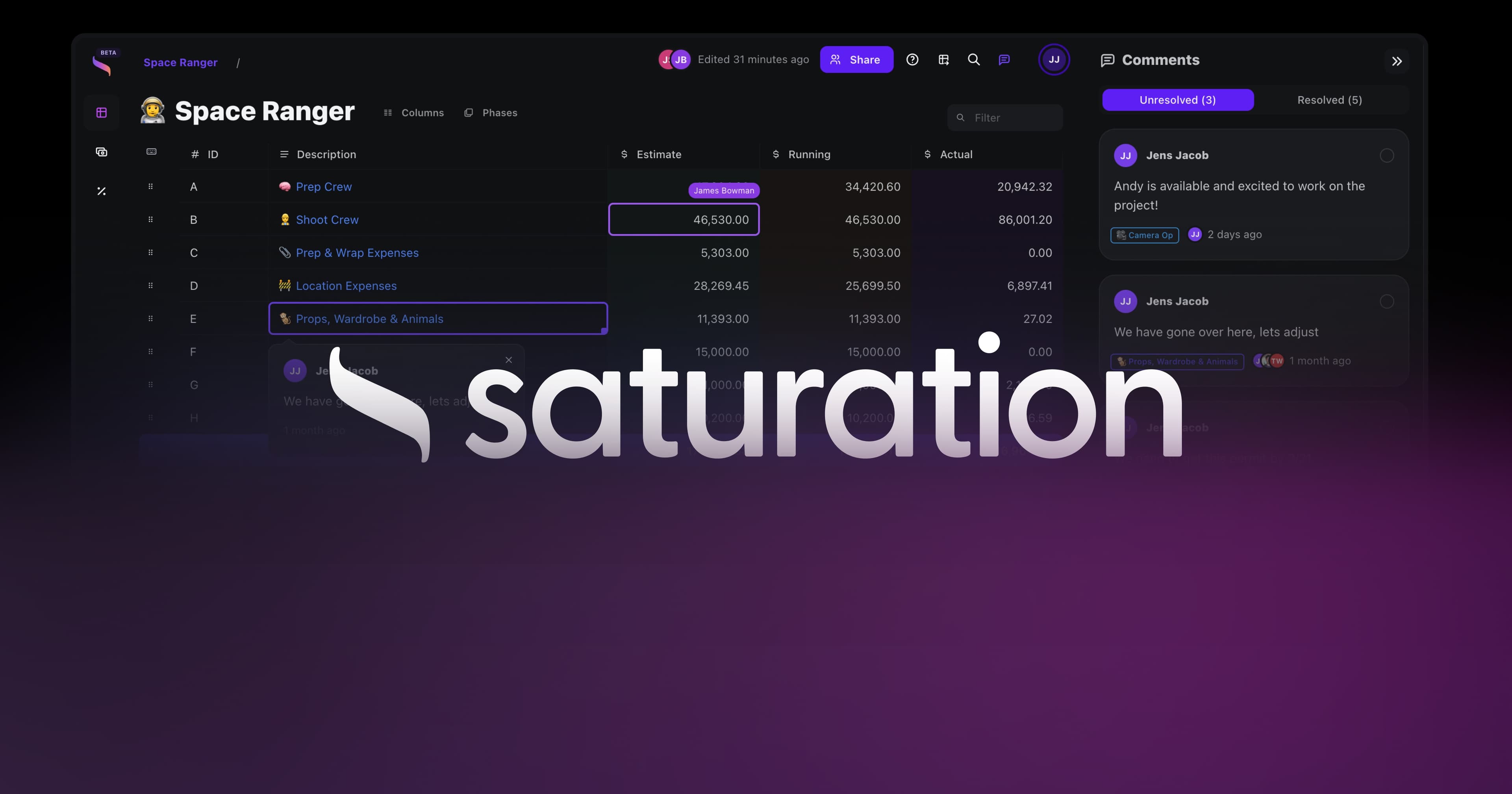
एक professional film budgeting tool जैसे Saturation.io union status और state के आधार पर fringe rates automatically लागू करता है, इसलिए आपको 40 line items के लिए यह manually calculate नहीं करना पड़ता।
Step 5: Document बनाएं (Tools)
Document बनाने का तरीका आपकी production के scale पर निर्भर करता है:
Complex Productions के लिए: Dedicated Film Budgeting Software का उपयोग करें
Film budgets के लिए विशेष रूप से बने industry-standard tools में शामिल हैं:
- Saturation.io — Cloud-based, शुरू करने के लिए free, automatic fringe calculations, real-time collaboration और actuals tracking के साथ। Producers द्वारा production companies के लिए बनाया गया। Install या update करने के लिए कोई software नहीं।
- Movie Magic Budgeting — Desktop software, $42.99/month। दशकों से major studios में industry standard। Limited collaboration features; local installation की ज़रूरत।
- Showbiz Budgeting — Desktop software, $399 upfront (MediaServices)। Commercials के लिए मज़बूत, अच्छा AICP format support।
- Hot Budget — Commercial/music video budgeting tool। Advertising production में लोकप्रिय।
छोटी Productions के लिए: Spreadsheets
Excel या Google Sheets shorts और micro-budget features के लिए काम करते हैं। सीमा यह है: built-in fringe calculations नहीं, कोई collaboration नहीं, और जैसे ही एक से अधिक व्यक्ति file edit करते हैं, version control एक nightmare बन जाती है।
हमारा free feature film budget template download करें और सही structure के साथ शुरुआत करें।
Step 6: अपना Topsheet बनाएं
Topsheet आपके पूरे budget का एक-page सारांश है जो प्रत्येक major category की कुल लागत दर्शाता है। Investors, distributors और bond companies पहले यही देखते हैं — और आपके project के बारे में लगभग हर financial conversation में यही present किया जाता है।
एक standard topsheet दिखाता है:
- Above the Line Total
- Below the Line Total (इनके अनुसार विभाजित: Production, Art Department, Locations, Stunts, आदि)
- Post-Production Total
- अन्य (Insurance, Bond, Legal, G&A)
- Contingency (10%)
- Grand Total
आपके detailed budget pages backup हैं। Topsheet executive summary है। एक professional budgeting tool इसे आपके detail pages से automatically generate करता है — आपको इसे manually कभी नहीं बनाना पड़ता।
Step 7: अंतिम रूप दें, समीक्षा करें और समायोजित करें
पहला draft पूरा होने के बाद असली काम शुरू होता है:
Preliminary Budget
Fundraising के लिए एक "preliminary budget" बनाएं — locations lock होने से पहले, cast confirm होने से पहले या schedule finalize होने से पहले। यह एक good-faith estimate है। Assumptions के बारे में ईमानदार रहें।
Detailed Budget
पैसे जुटने और मुख्य निर्णय lock हो जाने के बाद detailed budget बनाएं। यही bond company को जाता है और production accounting को नियंत्रित करता है।
वास्तविकता के अनुसार समायोजित करें
यदि total बहुत अधिक है, तो पहले यहाँ देखें:
- Shooting days कम करें (locations मिलाएं, scenes काटें)
- ATL समायोजित करें (deferrals, upfront fees की जगह backend points)
- Locations सरल बनाएं (stage बनाम practical से location permits और logistics की बचत होती है)
- VFX scale करें (कम VFX shots, जो रखें उनके लिए बेहतर planning)
Contingency को 10% से कम न करें। $2M की film में contingency काटने का मतलब है $200,000 को Murphy's Law के खिलाफ दांव पर लगाना। Production आपको चौंकाएगी — सवाल केवल कितना है।
सामान्य Film Budgeting गलतियाँ
1. Fringes भूल जाना (पहली बार produce करने वालों की #1 गलती)
जैसा ऊपर बताया गया है — यदि आप इसे skip करते हैं तो हर labor line पर आपका budget 35–45% गलत होगा। यह non-negotiable है।
2. Wrap का Budget न बनाना
Principal photography के आखिरी दिन के बाद भी आपके पास हफ्तों का काम होता है: equipment returns, location cleanups, data management, editorial pickup days। Wrap एक वास्तविक लागत है; इसे एक production phase के रूप में budget करें।
3. Post-Production का कम Budget बनाना
Post-production अक्सर mid-range features के कुल budget का 20–30% होती है। कई first-time producers इसे बाद की बात मानते हैं। VFX अकेले एक film में $500K खा सकती है जहाँ उसे $150K में budget किया गया था।
4. सभी Departments में एक ही Rate उपयोग करना
Department heads अपने crew से अधिक कमाते हैं। Gaffer best boy से अधिक कमाता है; key grip एक grip से अधिक कमाता है। किसी department में average rates उपयोग करने से ऐसे budgets बनते हैं जो actual payroll से मेल नहीं खाते।
5. Contingency Plan न होना
यदि mid-production में आपकी 10% contingency समाप्त हो जाए तो क्या होगा? शुरू करने से पहले जानें: overages approve करने का अधिकार किसे है? Emergency funding का mechanism क्या है? इसे अपने production plan में document करें।
अक्सर पूछे जाने वाले प्रश्न
Film budget का standard format क्या है?
Professional film budgets ATL / BTL / Post-Production / Other structure का पालन करती हैं, जिसमें topsheet सभी categories को एक page पर संक्षिप्त करता है। Completion bond companies, distributors और institutional investors इस format की अपेक्षा रखते हैं। Movie Magic Budgeting और Saturation.io जैसे tools default रूप से इस structure का उपयोग करते हैं।
Film budget बनाने में कितना समय लगता है?
एक अनुभवी line producer $1M की feature के लिए 3–5 दिनों में detailed budget बना सकता है। एक first-time producer शुरू से वही budget बनाने में 2–4 हफ्ते लेगा। समय production की जटिलता के साथ बढ़ता है — multiple departments, VFX और locations वाली $10M+ feature को सक्रिय budgeting के कई हफ्ते लग सकते हैं।
Movies के लिए 2.5x rule क्या है?
2.5x rule एक rough industry benchmark है: marketing, distribution और exhibitor fees का हिसाब लगाने के बाद, एक film को break even करने के लिए अपने production budget का लगभग 2.5 गुना gross करना होता है। यह एक उपयोगी heuristic है लेकिन precise नहीं है — streaming deals, international pre-sales और ancillary revenue सब equation बदल सकते हैं।
Low-budget film produce करने में कितना खर्च आता है?
SAG-AFTRA "ultra-low budget" को $250,000 से कम और "modified low budget" को $700,000 से कम परिभाषित करती है। अधिकतर professionals $5M से कम की किसी भी चीज़ को "low-budget" independent film मानते हैं। Professional crew, decent equipment और वास्तविक post-production process वाली एक देखने योग्य feature के लिए practical minimum लगभग $150,000–$300,000 है।
क्या मेरी film के लिए completion bond ज़रूरी है?
Completion bonds आमतौर पर $1M से अधिक के budgets के लिए ज़रूरी होते हैं जब institutional financing शामिल हो। Bond company आपके पूरे budget, schedule और key crew की समीक्षा करती है। यह आमतौर पर total budget का 2–3% होता है और आपके financiers को delivery की guarantee देता है।
Film budgeting के लिए सबसे अच्छा software कौन सा है?
यह आपकी production के type और scale पर निर्भर करता है। अधिकतर independent productions के लिए Saturation.io सबसे अच्छा शुरुआती बिंदु है — यह use करने के लिए free है, cloud-based है, automatic fringe calculations शामिल हैं, और आपकी team में real-time collaboration की सुविधा है। Studio productions के लिए जहाँ Movie Magic house standard है, MMB पसंदीदा tool बना रहता है। Showbiz Budgeting commercials में dominant है।
Film budget topsheet क्या है?
Topsheet आपके film budget का एक-page सारांश है जो major category (ATL, BTL sections, post, other) के अनुसार कुल लागत दर्शाता है। Investors और distributors पहले topsheet देखते हैं; detailed budget pages backup होते हैं। हर professional budgeting template detail pages से topsheet automatically generate करता है।
Jens Jacob, Saturation.io के founder और एक कार्यरत film producer हैं। उन्होंने Saturation इसलिए बनाया क्योंकि कोई भी existing tool एक platform पर production के real-world workflow को — budget से expense cards से actuals तक — handle नहीं करता था। Saturation का free film budgeting template saturation.io/templates/feature-filmपर उपलब्ध है।
संबंधित posts
Ready to modernize your production finance?
Join thousands of production teams using Saturation to budget, track expenses, and manage payments.