
सर्वश्रेष्ठ Jump Scare Movies
Ultimate Jump Scare Movies जो आपको रात भर जगाए रखेंगी
Cinematic extremity के गलियारों में एक यात्रा पर निकलते हुए, हम उन फिल्मों पर spotlight डालते हैं जिन्होंने jump scare की कला में महारत हासिल की है, एक ऐसी technique जो न केवल adrenaline बढ़ाती है बल्कि horror legacy में उनकी जगह पक्की करती है।
"An American Werewolf in London" में भयावह रूपांतरण से लेकर "Carrie" के दिल थामने वाले अंत तक, हर चुनी गई फिल्म ऐसे दृश्यों से nightmares गढ़ती है जो credits roll होने के बाद भी मन में बनी रहती हैं।
ये sequences, सबसे stoic दर्शकों से भी चीखें निकलवाने की अपनी क्षमता के लिए कुख्यात, psychological terror और physical shock का एक मिश्रण हैं, जो उन्हें अविस्मरणीय बनाता है।
इन supernatural, sinister और soul-shaking कहानियों को डर और आकर्षण की भूलभुलैया में आपका मार्गदर्शन करने दें।
रात को नींद न आने वाले ultimate cinematic scares बनाने के पीछे के रहस्य जानने के लिए पढ़ते रहें।
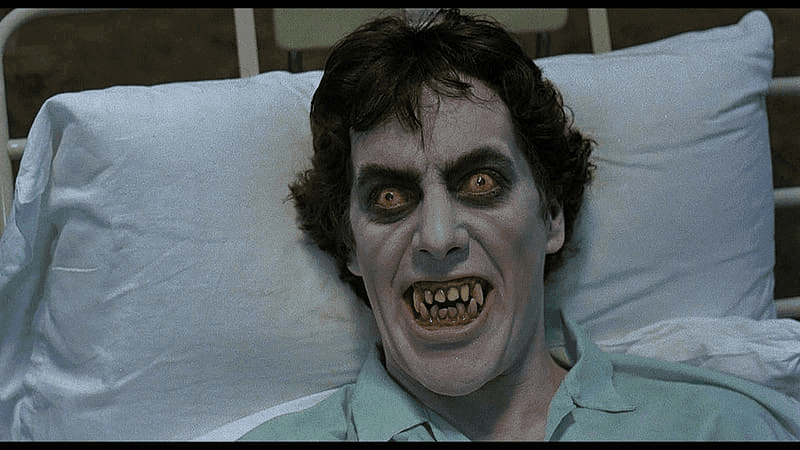
An American Werewolf in London (1981) – False Awakening
Film industry के एक aficionado और horror के एक connoisseur के रूप में, "An American Werewolf in London" (1981) John Landis द्वारा humor और terror के साहसी मिश्रण के लिए मेरे दिल में एक विशेष स्थान रखता है। यह cinematic gem दो American backpackers की कहानी को जटिलता से बुनती है जिनकी यात्रा England के moors पर एक भयावह मोड़ लेती है, मुझे horror history में सबसे memorable false awakening scenes में से एक से परिचित कराती है।
यह scene, एक dream के भीतर एक dream, चतुराई से दर्शकों की वास्तविकता की धारणा के साथ खेलती है, nightmares और जागती दुनिया के बीच की रेखाओं को धुंधला करती है। यह film की atmosphere और tension को manipulate करने की क्षमता का प्रमाण है, जो इतनी tangible dread की भावना पैदा करती है कि scene के black होने के बाद भी लंबे समय तक बनी रहती है।
Camera के पीछे, practical effects का जादू इस nightmarish vision को जीवन में लाता है, एक ऐसे युग को प्रदर्शित करता है जब CGI go-to solution नहीं थी। Rick Baker के groundbreaking makeup effects ने न केवल उन्हें Oscar दिलाया बल्कि screen पर werewolf transformations के लिए एक नया standard भी स्थापित किया।
Cinema के इस iconic piece पर विचार करते हुए, horror genre के प्रति मेरी सराहना और filmmaking की मेरी समझ पर इसका प्रभाव गहरा है। "An American Werewolf in London" horror के सार को masterfully capture करती है, unknown के terror को हमारे inner demons की stark reality के साथ जोड़ती है।
The Ring (2002) – Girl in the Closet
"The Ring" (2002), Gore Verbinski द्वारा निर्देशित, credits roll होने के बाद लंबे समय तक मेरे सपनों को haunted करती रही, काफी हद तक jump scare की कला में इसकी महारत के कारण। वह scene जहां closet में लड़की का खुलासा होता है, horror cinema में एक monumental moment के रूप में उभरती है।
Horror के एक connoisseur के रूप में, मैंने कई unsettling images देखी हैं, लेकिन उस scene से प्राप्त visceral reaction के लिए कुछ भी मुझे तैयार नहीं कर सका। Verbinski silence को एक weapon के रूप में उपयोग करता है, दर्शकों को false security की भावना में lull करता है और फिर horrifying reveal से पहले।
Makeup में detail और lighting के clever उपयोग ने terror को amplify किया। जब Naomi Watts के character को closet मिलती है, तो दर्शक अपने unknown के डर का सामना करने के लिए मजबूर होते हैं। यह एक stark reminder है कि simple elements कितने प्रभावी हो सकते हैं जब precision के साथ execute किए जाते हैं।
"The Ring" और इसकी iconic closet scene पर विचार करते हुए, यह स्पष्ट है कि यह horror genre के भीतर एक lasting legacy क्यों छोड़ गई है। Suspense, atmosphere और shock का एक perfect blend, इसने jump scare को फिर से परिभाषित किया, प्रक्रिया में अनगिनत filmmakers को प्रभावित किया।
Sinister (2012) – The Lawnmower Scene
Horror cinema के abyss में मेरी यात्रा मुझे "Sinister" (2012) तक ले गई, एक ऐसी film जो एक otherworldly darkness में खुद को ढकती है जिसे कम ही फिल्में explore करने की हिम्मत करती हैं। इसके terror के केंद्र में lawnmower scene है, एक ऐसा moment जो इतना shocking unexpectedly है कि इसने film को मेरे मन में jump scare tactics की masterpiece के रूप में स्थापित किया।
Director Scott Derrickson silence को एक blade की तरह wield करता है, tension को एक almost unbearable pitch तक masterfully build करता है, फिर chaos को एक thunderous crescendo में unleash करता है। यह stark contrast quiet anticipation और sudden horror के बीच हमारे deepest fears की unpredictability को mirror करती है।
"Sinister" में lawnmower scene को अलग करने वाली बात केवल unexpected का shock नहीं है बल्कि वे unsettling implications हैं जो बाद में भी बनी रहती हैं। यह realization कि evil सबसे mundane facets of life में manifest हो सकता है, terror की एक layer जोड़ती है जो सभी के लिए बहुत real है।
"Sinister" और उसके infamous lawnmower moment पर विचार करते हुए, मैं convinced हूं कि यह एक great jump scare को बनाने के essence को embody करता है। Atmosphere, suspense और एक well-timed shock का blend एक chilling experience deliver करता है जो horror cinema में किसी भी अन्य से rival करता है।
The Exorcist III (1990) – The Nurse Station
Horror cinema के प्रति मेरे fascination ने मुझे "The Exorcist III" (1990) तक पहुंचाया, एक ऐसी film जो अपने नाम के बावजूद, अपने unique brand of terror के साथ अलग खड़ी है, विशेष रूप से nurse station scene द्वारा epitomized। यह sequence tension को fever pitch तक build करने में एक masterclass है, जो silence को एक moment से shatter करती है जो इतना startling है कि यह मेरी memory में etched हो गया है।
Nurse station scene एक deceptive calm के साथ unfolds होती है, unease के undercurrent से laced, जो इसे anticipatory fear का एक prime example बनाती है जो अक्सर सबसे potent किस्म होती है। Steady, methodical pacing और एक long, unbroken take का उपयोग suspense को amplify करता है।
"The Exorcist III" में इस particular moment को इतना effective बनाने वाली बात केवल scare की shock नहीं है, बल्कि lingering aftermath है, जहां silence जोर से लगती है और darkness गहरी। यह एक scene है जो expertly दूसरे shoe के गिरने के wait की psychic tension के साथ खेलती है।
Nurse station scene पर विचार करते हुए, मुझे याद दिलाया जाता है कि "The Exorcist III" horror films की pantheon में एक revered spot क्यों बनाए रखती है। यह केवल scare नहीं करती; यह unnerve करती है, उस primal dread को tap करती है जो हमारे minds के recesses में lurk करता है।
The Conjuring (2013) – The Hand Clap Game
"The Conjuring" (2013) के साथ मेरे experience ने मेरे psyche में एक unique space carved किया, विशेष रूप से hand clap game scene के साथ। James Wan द्वारा निर्देशित, यह moment dread evoke करने के लिए simplicity का उपयोग करती है, horror genre में उनकी mastery का प्रमाण।
Darkness और दो हाथों के एक साथ आने की sudden, sharp sound के combination में कुछ primally terrifying है। यह वह scene है जो मुझे unseen में held power की याद दिलाती है, एक ऐसा पहलू जिसे James Wan precision के साथ exploit करता है।
Wan की एक बच्चे के game को sheer terror के sequence में transform करने की क्षमता genius से कम नहीं है। Tension inexorably build होता है, हमें अपनी seats के edge के करीब खींचता है, जब तक inevitable clap echo नहीं करती।
"The Conjuring" और विशेष रूप से hand clap game पर विचार करते हुए, मुझे simplicity और creativity के potent blend की याद दिलाई जाती है जो truly great horror को define करता है। यह scene न केवल scare करती है, यह haunt करती है।
Carrie (1976) – The Final Scene
"Carrie" (1976) के climactic finale पर विचार करते हुए, यह केवल unexpected twist नहीं है जो आपको grab करती है; यह masterful buildup और release है जिसे Brian De Palma orchestrate करता है। Serene graveyard scene से heart-stopping climax तक, यह final scene आपके psyche पर एक indelible mark छोड़ती है।
Events का sequence meticulously unravel होता है, दर्शकों को अपनी slow, haunting pace में captive रखता है:
- एक grave की seemingly peaceful visit tranquil stage set करती है।
- Grave से एक hand का sudden और shocking emergence silence और peace को shatter करता है।
Stillness से sheer terror तक का यह dramatic turn De Palma की audience expectations को manipulate करने में genius को showcase करता है। केवल एक jump scare से अधिक, यह एक moment है जो suspense और horror की art को epitomize करता है।
Horror cinema के प्रति मेरी सराहना पर "Carrie" के final scene का impact profound है। यह exemplify करता है कि कैसे एक well-crafted scare moment को transcend कर सकता है, film देखने के experience को एक lingering psychological journey में turning करके। De Palma की unforeseen के shock को storytelling की depth के साथ blend करने की क्षमता "Carrie" को genre में एक quintessential work के रूप में cement करती है।
Se7en (1995) – The Sloth Scene
David Fincher की "Se7en" (1995) मुझे एक shadow की तरह haunt करती है, screen के dark होने के बाद लंबे समय तक lingering, विशेष रूप से "Sloth" scene। यह particular moment, जहां detectives एक victim को एक साल तक सबसे deplorable conditions में जीवित रखा हुआ discover करते हैं, agonizing suspense के साथ unfold होता है।
Fincher horror की anticipation को अपने सबसे effective tool के रूप में उपयोग करता है, storm से पहले की silence। Atmospheric buildup excruciating है, क्योंकि हर second एक weighty foreboding के साथ tick करती है, ultimate reveal को न केवल system को shock बल्कि terror का एक genuine moment बनाती है।
"Se7en" में "Sloth" scene tension और release में एक masterclass है। Harrowing discovery, victim की unexpected gasp for air के साथ combined, एक visceral reaction provoke करती है जिसे shake off करना मुश्किल है।
इस moment पर विचार करते हुए, यह स्पष्ट है कि "Se7en" psychological horror के realm में एक touchstone क्यों बनी रहती है। Fincher की narrative depth को acute terror के moments के साथ meld करने की क्षमता "Sloth" scene को mere jump scare से परे elevate करती है।
The Descent (2005) – There's Something Behind You
Neil Marshall की "The Descent" (2005) आपको claustrophobic terror की एक unrelenting grip में ensnare करती है, लेकिन यह 'There's Something Behind You' scene है जो truly fear को epitomize करती है। Horror का यह masterstroke हमारे primal dread of being followed पर खेलती है, caves को nightmares की labyrinth में turning करती है।
जब वह sudden realization hit करती है, तो moment न केवल monstrous crawler की appearance से बल्कि characters की raw, visceral reaction से punctuated होती है। यह एक scene है जो elaborate setups पर rely नहीं करती; scare की simplicity, cave के suffocating atmosphere द्वारा amplified, इसे और भी horrifying बनाती है।
यह particular scene anticipation की power को अपनी fullest extent तक harness करती है। Tension इस के माध्यम से build होता है जो seen नहीं है, बल्कि seen होने का feared है।
"The Descent" की chilling depths के माध्यम से मेरी यात्रा पर विचार करते हुए, 'There's Something Behind You' scene एक ऐसे moment के रूप में उभरती है जो मेरे steps को haunt करती है, screen के dark होने के बाद लंबे समय तक। यह एक brilliant example है कि horror कितना effective हो सकता है जब यह हमारे instinctual fears को tap करता है।
Repulsion (1965) – The Man in the Mirror
Roman Polanski द्वारा निर्देशित "Repulsion" (1965) के साथ मेरे encounter ने मुझे psychological horror की एक class से परिचित कराया जिसने movies में scare factor के बारे में मेरी धारणा को permanently alter किया। Mirror में man वाला scene विशेष रूप से harrowing है, किसी के अपने reflection में कुछ sinister होने के गहरे unsettling fear को tap करता है।
जब मैंने protagonist, Carol, को वहां एक man का reflection discover करते हुए देखा जहां कोई नहीं होना चाहिए था, तो dread का atmosphere जिसे Polanski पूरी film में masterfully build करता है, एक crescendo तक पहुंचता है।
इस scene की brilliance इसकी simplicity में और explicit horror की बजाय suggestion की power पर इसकी reliance में निहित है। Eerie silence जो Carol को mirror में gazing करते समय envelope करती है, intruding figure की sudden appearance के साथ coupled, scare के impact को maximize करने के लिए minimalism का उपयोग करती है।
"Repulsion" और उसकी unforgettable mirror scene पर विचार करते हुए, मुझे film की isolation और mental deterioration के psychological implications के साथ haunt करने की क्षमता की याद दिलाई जाती है। यह underscore करता है कि सबसे profound fears अक्सर within से stem करते हैं।
Prince of Darkness (1987) – Brian's Dream
John Carpenter की "Prince of Darkness" (1987) ने मुझे profoundly unsettle किया, Brian's dream sequence psychological horror के एक paragon के रूप में खड़ी है। यह moment, haunting और cryptic दोनों, film के fabric में woven एक prophecy जैसा feel होता है, मेरी spine में chills भेजता है।
Dream एक warning और doom के harbinger दोनों के रूप में serve करता है, एक hazy broadcast के माध्यम से delivered जो reality में bleed करता प्रतीत होता है। Church के बाहर emerge हो रहे एक shadowy figure की grainy image, एक distorted voice के साथ coupled, आपको core तक unnerve करती है:
- एक mysterious transmission Brian की नींद को disrupt करती है, एक sinister figure और एक desolate church को present करती है।
- Voice, barely discernible, एक impending doom का mention करती है जो all too real feel होती है।
- Dream repeats होता है, intensity में बढ़ते हुए, हमारी understanding से परे एक reality का hint करता है।
इन dreams में dread की repetition और gradual build-up ही है जो उन्हें इतनी deeply मेरी memory में engrave करती है। प्रत्येक sequence unease की भावना को amplify करता है, dreamworld और waking reality के बीच की lines को blur करता है।
"Prince of Darkness" और विशेष रूप से Brian's dream पर विचार करते हुए, यह स्पष्ट है कि Carpenter इन sequences को केवल frighten करने के लिए नहीं बल्कि profound existential dread को convey करने के लिए एक tool के रूप में उपयोग करता है। Brilliance इसकी subtlety में और minimal overt horror के साथ visceral reaction evoke करने की इसकी क्षमता में निहित है।
संबंधित posts



Ready to modernize your production finance?
Join thousands of production teams using Saturation to budget, track expenses, and manage payments.