Train to Busan Budget
Actualizado
Synopsis
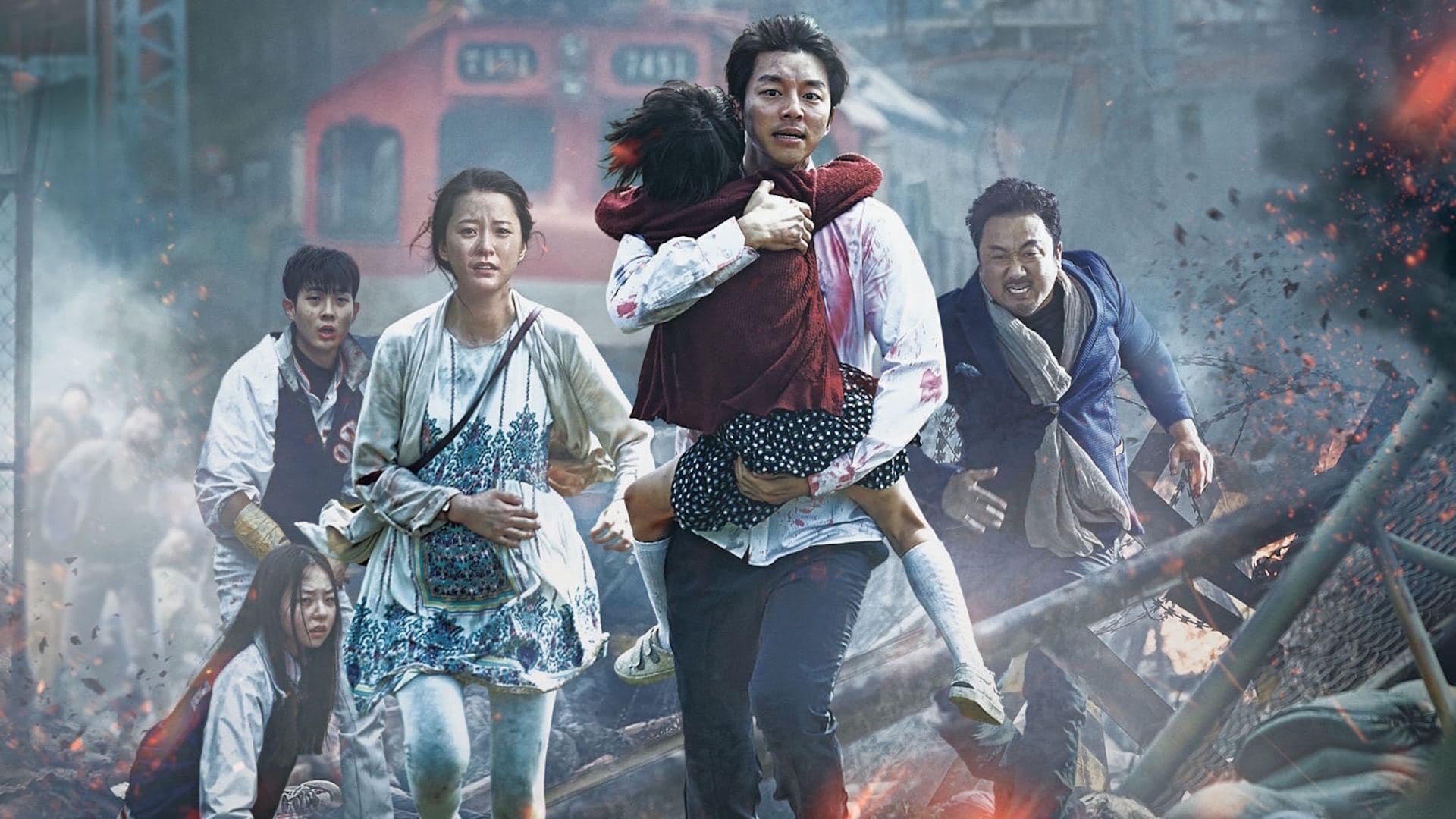
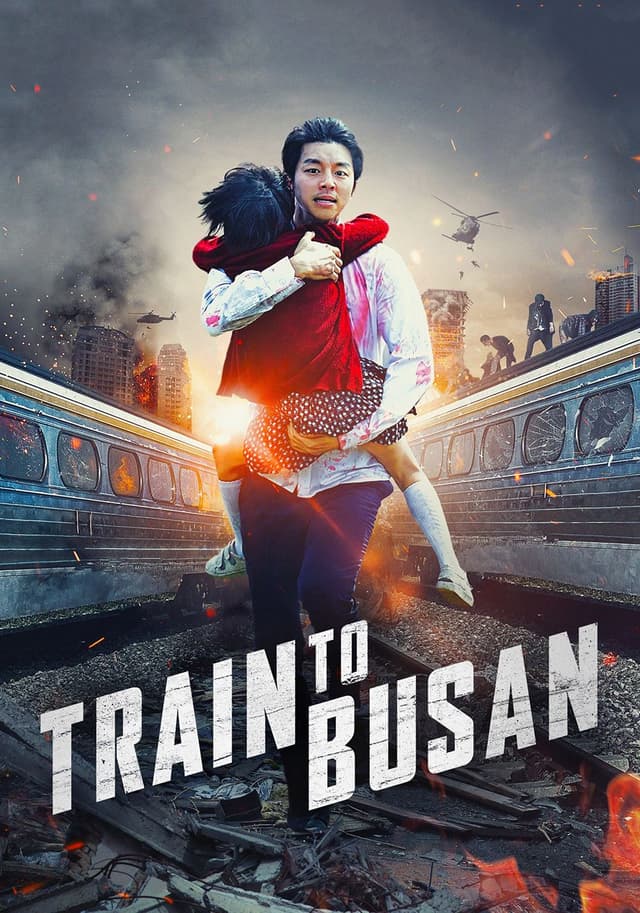
When a zombie virus pushes Korea into a state of emergency, those trapped on an express train to Busan must fight for their own survival.
What Is the Budget of Train to Busan?
Train to Busan (2016) was produced on an estimated budget of $8.5 million (approximately 10 billion South Korean won). For a large-scale genre film featuring extensive practical effects, elaborate set construction inside a moving train, and hundreds of zombie extras, the budget was remarkably lean by international standards. Director Yeon Sang-ho, making his live-action debut after directing the acclaimed animated films The King of Pigs and The Fake, brought a disciplined visual storytelling approach that helped maximize every dollar on screen.
The film was produced by RedPeter Films and distributed domestically by Next Entertainment World, with Well Go USA handling the North American theatrical release. Shooting took place primarily at studio facilities in South Korea, where the production team built detailed train car interiors that could be reconfigured for different action sequences throughout the film.
Key Budget Allocation Categories
- Production Design and Set Construction: The KTX train interior sets were the single largest production expense. Multiple full-scale train cars were built on soundstages, engineered with removable walls and modular seating to allow dynamic camera movement and fight choreography in the confined space.
- Zombie Prosthetics and Makeup: Hundreds of extras required individual prosthetic application for each shooting day. The makeup team developed a streamlined process to handle the volume, using a combination of pre-made appliances and on-set touch-ups to keep the zombie horde looking consistent across scenes.
- Cast and Talent: Lead actor Gong Yoo commanded a significant portion of the talent budget following his popularity from television dramas. Supporting cast including Ma Dong-seok, Jung Yu-mi, Kim Su-an, and Choi Woo-shik rounded out a strong ensemble that balanced star power with rising talent.
- Stunt Coordination and Action Choreography: The confined train setting demanded meticulous stunt planning. Fight sequences in narrow aisles and between cars required careful wire work and stunt doubling, with safety protocols tailored to the tight spaces.
- Visual Effects: While the production prioritized practical effects, VFX work was essential for crowd multiplication in large-scale zombie scenes, exterior train shots, and the climactic sequences at Busan Station. Digital compositing helped extend the zombie hordes beyond what practical extras could achieve.
- Location and Studio Rental: Beyond the primary studio sets, the production utilized real train stations and urban locations around Seoul and Busan for exterior sequences, requiring location fees, permits, and logistical coordination for night shoots.
How Does Train to Busan's Budget Compare to Similar Films?
- World War Z (2013): Budget $190M | Worldwide $540M. Hollywood's big-budget zombie blockbuster spent more than 22 times what Train to Busan cost, relying heavily on CGI hordes. Train to Busan achieved comparable tension and spectacle through practical effects and claustrophobic staging at a fraction of the price.
- 28 Days Later (2002): Budget $8M | Worldwide $85M. Danny Boyle's pioneering fast-zombie film operated on a nearly identical budget and similarly leveraged creative constraints, using digital video and empty London streets to generate atmosphere rather than expensive set pieces.
- The Wailing (2016): Budget $8.5M | Worldwide $44M. Fellow 2016 Korean horror film with a comparable production budget. While The Wailing earned strong returns domestically, Train to Busan significantly outperformed it internationally, demonstrating the global appeal of its high-concept premise.
- #Alive (2020): Budget $6M | Worldwide $23M. A later Korean zombie film that went direct to Netflix in many markets. Its lower budget reflected a smaller-scale apartment setting, but it lacked the commercial breakout that Train to Busan achieved through theatrical distribution.
- Peninsula (2020): Budget $16M | Worldwide $42M. The direct sequel to Train to Busan doubled the original's budget but earned less than half the worldwide gross, illustrating how the original's combination of tight storytelling and restrained spending created a formula that was difficult to replicate at larger scale.
Train to Busan Box Office Performance
Train to Busan became the highest-grossing Korean film of 2016, earning approximately $93 million domestically and a worldwide total of roughly $99 million. The film drew over 11.5 million admissions in South Korea alone, making it only the thirteenth Korean film at the time to cross the 10-million admissions threshold.
Using the standard break-even estimate of roughly twice the production budget (to account for prints, advertising, and distribution fees), Train to Busan needed approximately $17 million to reach profitability. It surpassed that figure within its opening weekend in South Korea. The film's return on investment was extraordinary: ($99M - $8.5M) / $8.5M x 100 = approximately 1,065% ROI.
International performance was equally impressive. The film broke box office records across Southeast Asia, becoming the highest-grossing Korean film ever released in Malaysia, Hong Kong, and several other Asian markets. In North America, Well Go USA gave the film a limited theatrical release that expanded based on strong word-of-mouth, ultimately earning over $2 million in a market where Korean-language films rarely receive wide distribution.
Box Office Breakdown
Train to Busan

Train to Busan Production History
The project originated with director Yeon Sang-ho, who had established himself through provocative animated films including The King of Pigs (2011) and The Fake (2013). Both films explored dark social themes through animation, earning Yeon festival recognition but limited commercial reach. The opportunity to direct a live-action genre film represented a significant career pivot, and Yeon conceived Train to Busan as a contained thriller that would translate his storytelling instincts into a more commercially accessible format.
Yeon developed the screenplay with Park Joo-suk, centering the story on a workaholic fund manager and his young daughter trapped on a KTX high-speed train during a sudden zombie outbreak. The confined train setting served both creative and budgetary purposes: it naturally limited the scope of production while creating intense claustrophobic tension that distinguished the film from open-world zombie narratives.
Casting Gong Yoo in the lead role proved pivotal. The actor was best known for Korean television dramas and brought a massive built-in fanbase, particularly across Asia. Ma Dong-seok (later known internationally as Don Lee from Eternals) delivered a breakout performance as the tough but warm-hearted Sang-hwa, while child actress Kim Su-an anchored the emotional core of the film as the protagonist's daughter.
Principal photography took place over several months in 2015, primarily on soundstages where the KTX train interiors were constructed. The production team built multiple train car configurations that could be rearranged and redressed to represent different parts of the train. This modular approach allowed efficient shooting while maintaining visual variety across the film's many set pieces. Yeon simultaneously oversaw production of Seoul Station, an animated prequel that explored the early hours of the outbreak, which released the same year.
Awards and Recognition
Train to Busan premiered at the 2016 Cannes Film Festival in the prestigious Midnight Screenings section, where it received an enthusiastic standing ovation. The Cannes debut generated immediate international buzz and secured distribution deals across dozens of territories before the film had even opened in South Korea.
At the 53rd Grand Bell Awards (South Korea's equivalent of the Oscars), the film received the Best Director award for Yeon Sang-ho. It earned multiple nominations at the Blue Dragon Film Awards and the Korean Association of Film Critics Awards. Kim Su-an received particular recognition for her performance, winning the Best New Actress award at the Fantasia International Film Festival.
The film swept genre festival circuits worldwide, winning the Audience Award at Fantastic Fest in Austin, Texas, and earning top honors at Sitges, Bucheon, and numerous other international genre festivals. Critics consistently placed Train to Busan among the greatest zombie films ever made, and it appeared on year-end best-of lists from publications including The Guardian, Empire, and IndieWire.
Critical Reception
Train to Busan holds a 94% approval rating on Rotten Tomatoes with a critics' consensus praising its ability to deliver visceral thrills while maintaining genuine emotional depth. On Metacritic, the film earned a score of 72, indicating generally favorable reviews. Audiences were equally enthusiastic, with the film maintaining a 4.0/5 audience score across major review platforms.
Critics highlighted Yeon Sang-ho's confident direction and the film's social commentary, which layered class dynamics and corporate indifference beneath the zombie action. The Guardian called it "one of the greatest zombie movies ever made," while Variety praised its "relentless pacing and surprising emotional payoffs." The Hollywood Reporter noted that Yeon's animation background gave him a strong sense of visual composition and timing that translated seamlessly to live-action genre filmmaking.
The film's cultural impact extended well beyond its theatrical run. It reignited global interest in Korean genre cinema, paving the way for the international success of films like Parasite (2019). Hollywood took notice as well, with New Line Cinema and producer James Wan acquiring remake rights for an English-language version. Train to Busan demonstrated that a modestly budgeted Korean genre film could compete on the world stage, influencing both the Korean film industry's approach to commercial genre productions and international audiences' appetite for non-English-language cinema.
Preguntas frecuentes
How much did it cost to make Train to Busan (2016)?
The production budget was $8,500,000, covering principal photography, cast and crew salaries, locations, sets, post-production, and music. Marketing and distribution (P&A) costs are estimated at an additional $4,250,000 - $6,800,000, bringing the total studio investment to approximately $12,750,000 - $15,300,000.
How much did Train to Busan (2016) earn at the box office?
Train to Busan grossed $2,129,768 domestic, $85,417,750 international, totaling $87,547,518 worldwide.
Was Train to Busan (2016) profitable?
Yes. Against a production budget of $8,500,000 and estimated total costs of ~$21,250,000, the film earned $87,547,518 theatrically - a 930% ROI on production costs alone.
What were the biggest costs in producing Train to Busan?
The primary cost drivers were above-the-line talent (Gong Yoo, Kim Su-an, Jung Yu-mi); practical creature effects, atmospheric cinematography, and psychologically engineered sound design.
How does Train to Busan's budget compare to similar horror films?
At $8,500,000, Train to Busan is classified as a micro-budget production. The median budget for wide-release horror films in the 2010s ranges from $30 - 80M for mid-budget to $150M+ for tentpoles. Comparable budgets: All the President's Men (1976, $8,500,000); Nightcrawler (2014, $8,500,000); The Strangers: Chapter 3 (2026, $8,500,000).
Did Train to Busan (2016) go over budget?
There are no widely reported accounts of significant budget overruns for this production. However, studios rarely disclose precise budget overrun figures publicly. The reported production budget reflects the final estimated cost.
What was the return on investment (ROI) for Train to Busan?
The theatrical ROI was 930.0%, calculated as ($87,547,518 − $8,500,000) ÷ $8,500,000 × 100. This measures gross revenue against production budget only - it does not account for P&A or exhibitor shares.
What awards did Train to Busan (2016) win?
36 wins & 42 nominations total.
Who directed Train to Busan and who were the key crew members?
Directed by Yeon Sang-ho, written by Park Joo-suk, shot by Lee Hyung-deok, with music by Jang Young-gyu, edited by Yang Jin-mo.
Where was Train to Busan filmed?
Train to Busan was filmed in South Korea.
Filmmakers
Train to Busan

Official Trailer
Crea presupuestos como este en Saturation
Empieza con una plantilla estándar de largometraje, importa el cronograma y las tarifas que ya tienes y deja que el informe de costos se mantenga al día a medida que gastas. Colaboración en tiempo real, sin hojas de cálculo.