Zombieland Double Tap Budget
 HorrorComedy1h 39m
अपडेट किया गया
Synopsis
Columbus, Tallahassee, Wichita, and Little Rock move to the American heartland as they face off against evolved zombies, fellow survivors, and the growing pains of the snarky makeshift family.
What Is the Budget of Zombieland: Double Tap?
Zombieland: Double Tap was produced with an estimated budget of $42 million, a moderate increase over the original Zombieland (2009), which cost roughly $23.6 million. The bump reflected a decade of inflation, expanded set pieces, and the need to reunite a cast whose market value had risen considerably since 2009. Columbia Pictures and 2.0 Entertainment financed the sequel, betting that audience nostalgia for the original would translate into reliable opening-weekend returns.
For a horror comedy sequel arriving ten years after the first installment, $42 million represented a disciplined spend. The studio avoided the bloated budgets that often sink legacy sequels by keeping the production grounded in practical locations and character-driven humor rather than spectacle-heavy visual effects.
Key Budget Allocation Categories
- Above-the-Line Talent: Reassembling the original quartet of Woody Harrelson, Jesse Eisenberg, Emma Stone, and Abigail Breslin consumed the largest single budget line. Stone had won an Academy Award in the interim, and all four leads commanded significantly higher quotes than they did in 2009.
- Production Design and Locations : Principal photography took place in and around Atlanta, Georgia, taking advantage of the state's generous tax incentive program. Key sets included the White House interior, Graceland replica, and a hippie commune called Babylon, each requiring distinct period and thematic detailing.
- Visual Effects : While the film leaned on practical gags and makeup for zombie kills, digital effects were still needed for larger action sequences, including a monster truck chase and the climactic siege at Babylon. The VFX budget remained modest compared to tentpole action films.
- Makeup and Creature Effects : The zombie designs evolved from the original, with new classifications (Homer, Hawking, Ninja, T-800) demanding varied prosthetics and performance styles. Creature effects teams built distinct looks for each zombie type.
- Music and Score : David Sardy composed the original score, blending rock-inflected cues with comedic timing. Music licensing for needle drops added to the sound budget.
- Marketing and Distribution : Sony Pictures allocated a substantial print and advertising campaign timed around Halloween 2019, leveraging the decade anniversary angle and the cast's collective star power.
How Does Zombieland: Double Tap's Budget Compare to Similar Films?
- Zombieland (2009) : Budget $23.6M | Worldwide $102.4M. The original proved the concept on a lean budget, earning over four times its cost and creating the demand that justified a sequel a decade later.
- Shaun of the Dead (2004) : Budget $6.1M | Worldwide $30M. Edgar Wright's horror comedy set the template for the genre on a fraction of the budget, demonstrating that sharp writing matters more than production scale.
- Deadpool (2016) : Budget $58M | Worldwide $782.6M. Another R-rated comedy with action, Deadpool proved studios could spend moderately and earn blockbuster returns when the tone connects with audiences.
- Happy Death Day 2U (2019) : Budget $9M | Worldwide $64.4M. Released the same year, this horror comedy sequel operated at a much lower budget tier but achieved similar profitability ratios.
- Warm Bodies (2013) : Budget $35M | Worldwide $117M. A zombie romantic comedy that matched Double Tap's budget range and demonstrated the genre's crossover appeal beyond pure horror fans.
Zombieland: Double Tap Box Office Performance
Zombieland: Double Tap earned $73,066,983 domestically and $122,810,399 worldwide. The film opened to $26.7 million over its first weekend in October 2019, landing at number one at the domestic box office. While the opening fell short of some analyst projections, it demonstrated that the Zombieland brand still had commercial legs a full decade after the original.
With a production budget of $42 million, the break-even threshold (factoring in marketing and distribution costs at roughly 2x the production budget) sat at approximately $84 million worldwide. The film's $122.8 million global total cleared that threshold, delivering a return on investment of approximately 192% on the production budget alone: ($122.8M - $42M) / $42M x 100.
International markets contributed $49.7 million, with strong showings in the United Kingdom, Australia, and Germany. The domestic-to-international split leaned heavily toward North America, reflecting the franchise's roots in American road-trip comedy. Ancillary revenue from home video, streaming licensing, and television broadcast deals further bolstered the film's profitability beyond theatrical returns.
Box Office Breakdown
Zombieland Double Tap

Zombieland: Double Tap Production History
Development of a Zombieland sequel began almost immediately after the original's 2009 release. Writers Rhett Reese and Paul Wernberg drafted early screenplay treatments, and Sony explored both a theatrical sequel and an Amazon television series. The TV pilot, produced in 2013 with a different cast, failed to generate enthusiasm and was not picked up, effectively shelving the property for several years.
The project regained momentum around 2017 when director Ruben Fleischer, Reese, Wernberg, and Dave Callaham developed a new screenplay that picked up the story ten years later. Sony greenlit the sequel in mid-2018, and production moved quickly from there. The studio secured the return of all four original leads, a feat that required navigating busy schedules: Emma Stone had won the Best Actress Oscar for La La Land (2016) and was in high demand, while Eisenberg, Harrelson, and Breslin each had full slates.
Principal photography began in January 2019 in Atlanta, Georgia, taking advantage of the state's 30% tax credit. The production built elaborate sets for the White House, Graceland, and a Babylonian hippie commune. Fleischer favored practical stunts and in-camera zombie gags wherever possible, saving digital effects for sequences that demanded them. New cast additions included Rosario Dawson as Nevada, a tough survivor running an Elvis-themed motel, and Zoey Deutch as Madison, a ditzy Valley girl who became the film's breakout comedic presence. Luke Wilson and Thomas Middleditch appeared in an extended cameo as doppelgangers of Tallahassee and Columbus.
Post-production wrapped by late summer 2019, and Sony positioned the release for October 18, strategically targeting the Halloween corridor. A post-credits scene featuring Bill Murray reprising his role from the original served as a fan-service bookend.
Awards and Recognition
Zombieland: Double Tap did not compete in major awards circuits, which is typical for horror comedies regardless of commercial performance. The film received a nomination at the 2020 People's Choice Awards for Favorite Comedy Movie. Its primary recognition came through genre-specific channels and audience polls rather than traditional industry ceremonies.
Zoey Deutch's performance as Madison drew widespread critical attention and positioned her as a comedic talent to watch. Multiple year-end lists cited her scene-stealing work as the sequel's single best addition, with critics noting that she matched the energy of the returning Oscar-winning and Emmy-nominated cast without being overshadowed.
Critical Reception
Zombieland: Double Tap holds a 68% approval rating on Rotten Tomatoes, with the critical consensus acknowledging that the sequel delivers fun without matching the freshness of the original. Most reviewers praised the cast chemistry, particularly the interplay between Harrelson's Tallahassee and Eisenberg's Columbus, while noting that the decade gap made some of the humor feel familiar rather than surprising.
Zoey Deutch earned near-universal praise as the standout new addition. Critics highlighted her committed physical comedy and timing, with several reviews arguing that Madison elevated every scene she appeared in. Rosario Dawson's Nevada and the Wilson/Middleditch doppelganger sequence also received positive mentions as welcome expansions of the Zombieland universe.
The most common criticism centered on the film's reliance on the original's formula without pushing the concept further. Some reviewers felt that the zombie-classification system and the road-trip structure repeated beats rather than evolving them. Others pointed out that the ten-year wait had raised expectations the sequel was never designed to meet. Despite these reservations, audiences responded warmly, and the film's CinemaScore of B+ reflected solid mainstream satisfaction.
अक्सर पूछे जाने वाले सवाल
How much did Zombieland: Double Tap cost to make?
The production budget recorded on Saturation.io is $42,000,000. Sony Pictures financed the long-delayed sequel through Columbia Pictures, with the production held to a disciplined budget level intended to ensure a clear theatrical profit margin against the franchise's known audience.
How much did Zombieland: Double Tap earn at the box office?
The film grossed $73,138,433 domestically and $49,672,000 internationally, for a worldwide total of approximately $122,810,399 as recorded on Saturation.io. It opened to $26,800,000 on October 18, 2019, finishing second behind Maleficent: Mistress of Evil.
Why did it take ten years to make a Zombieland sequel?
The original Zombieland (2009) was made for $23,600,000 and grossed $102,400,000 worldwide, but scheduling conflicts among the four leads, particularly Jesse Eisenberg, Emma Stone, Woody Harrelson, and Abigail Breslin, prevented a sequel for the entire decade. The cast finally aligned in early 2018, with shooting commencing in January 2019.
Who directed Zombieland: Double Tap?
Ruben Fleischer directed the sequel, returning from the 2009 original. Fleischer's interim credits include Gangster Squad (2013), Venom (2018, $116,000,000 budget, $856,100,000 worldwide), and the later Uncharted (2022).
Who stars in Zombieland: Double Tap?
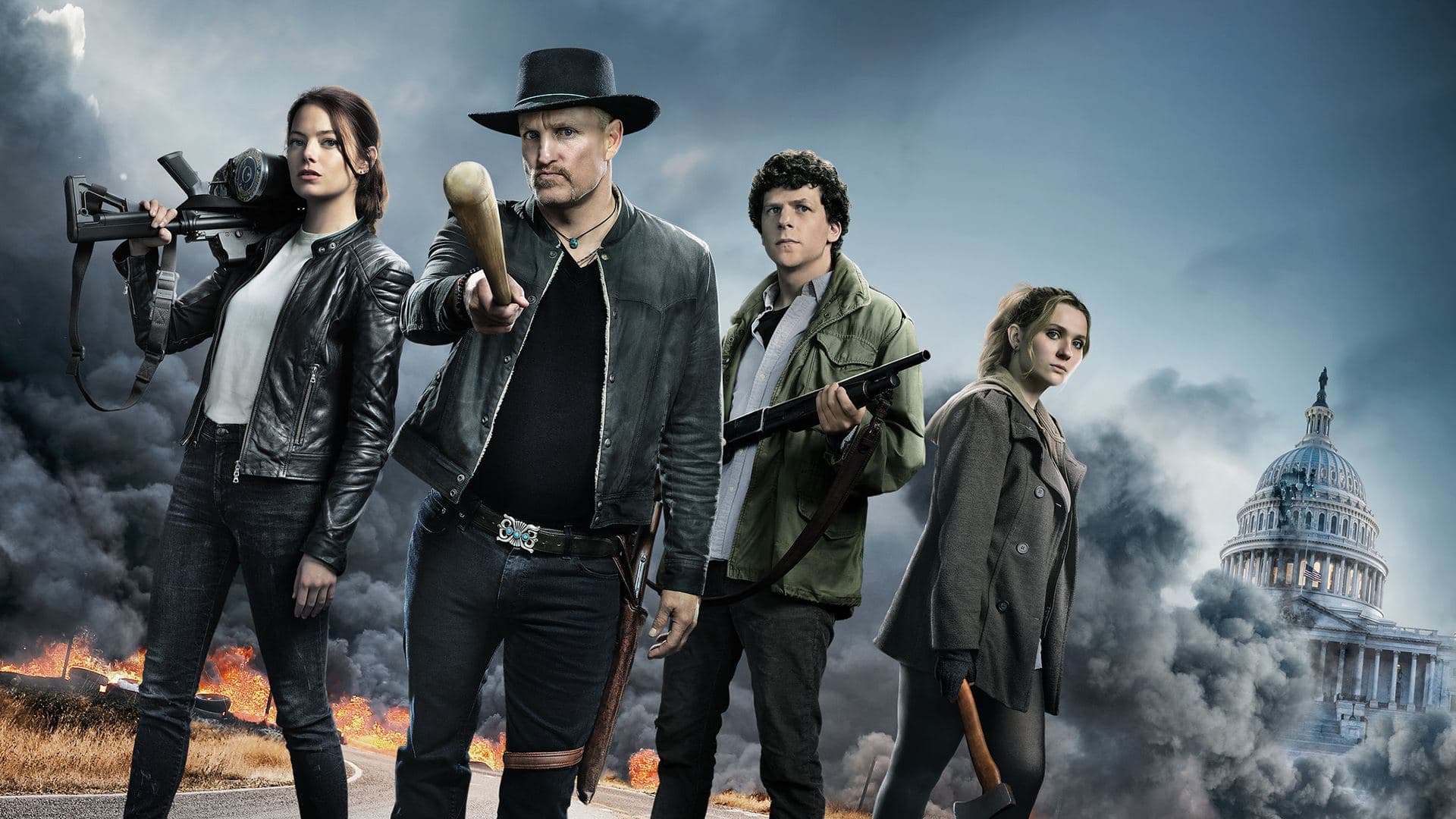
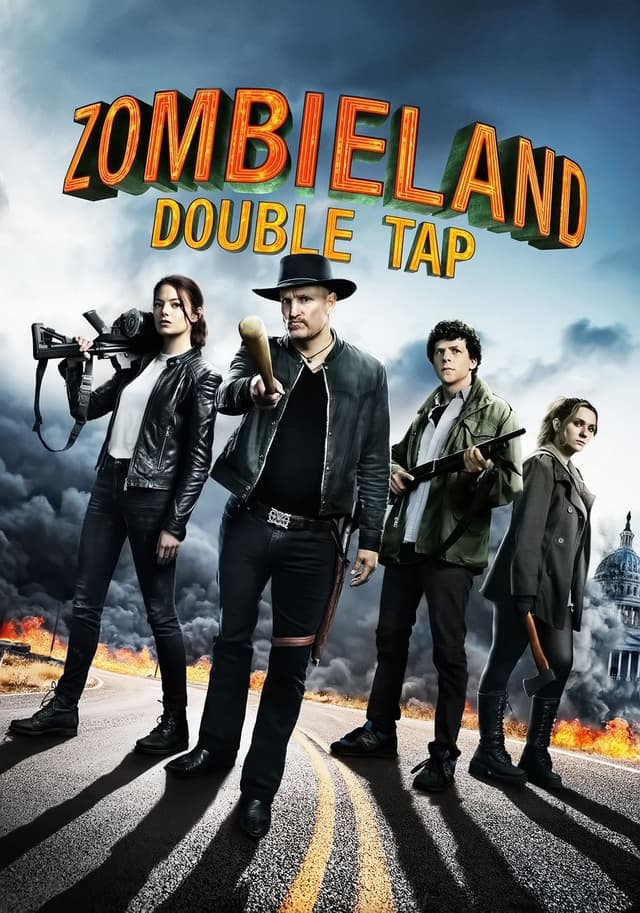
Jesse Eisenberg, Emma Stone, Woody Harrelson, and Abigail Breslin reprise their original roles as Columbus, Wichita, Tallahassee, and Little Rock. New cast members include Rosario Dawson, Zoey Deutch, Luke Wilson, Thomas Middleditch, and Avan Jogia.
Where was Zombieland: Double Tap filmed?
Principal photography took place primarily in Atlanta, Georgia, taking advantage of the state's 30% film tax credit. Additional production work was completed at Pinewood Atlanta Studios, the Georgia-based facility that anchors much of Sony Pictures' East Coast production volume.
What did critics think of Zombieland: Double Tap?
The film received mixed reviews, with a 68% approval rating on Rotten Tomatoes and a 55 out of 100 score on Metacritic. Audiences gave the film a B+ CinemaScore. Critics praised the chemistry of the returning cast while objecting to a script that they felt added little beyond the original's premise.
Was Zombieland: Double Tap profitable?
Yes. Against the $42,000,000 production budget and an estimated $35,000,000 to $40,000,000 in marketing spend, the worldwide gross of approximately $122,810,399 produced a clear theatrical profit. Strong home video, digital purchase, and streaming revenue have extended profitability further.
Will there be a Zombieland 3?
No third installment has been formally greenlit. Director Ruben Fleischer and the principal cast have expressed periodic interest in returning, although scheduling conflicts and box-office expectations have so far kept a third entry in development rather than production.
Where can I stream Zombieland: Double Tap?
The film is available on Starz through the Sony Pictures output deal, alongside digital purchase and rental on Amazon Prime Video, Apple TV, and Google Play. It has periodically rotated through additional subscription tiers as part of the Sony content licensing rotation.
Official Trailer
Saturation में ऐसे ही budgets बनाएं
Industry-standard feature film template से शुरू करें, अपना मौजूदा schedule और rates import करें, और खर्च के साथ cost report को अपने आप अपडेट होते देखें। Real-time collaboration, बिना spreadsheets।